


Sexual and Reproductive Health Tests: For decades, sexual and reproductive health has been surrounded by silence, hesitation, and stigma. Many people feel awkward discussing problems related to sex, periods, fertility, infections, or hormones. Instead of visiting a doctor, they often rely on assumptions, home remedies, or endless internet searches.
But 2026 should mark a shift. This is the year to stop guessing and start knowing. Today, medical science offers accurate, accessible, and confidential testing for almost every aspect of sexual and reproductive health. There is no reason to live with doubt, fear, or misinformation when clarity is possible. Testing is not about shame or suspicion. It is about responsibility, self-respect, and taking control of your future.
Sexual And Reproductive Health
In an exclusive conversation with TheHealthSite.com, Dr Madhu Patil, Consultant – Infertility, Reproductive Medicine, and IVF, Motherhood Fertility and IVF, Sarjapur, Bangalore, explained, “Sexual and reproductive health issues have traditionally been associated with much hesitation, stigma, and restraint. People have been inclined to rely on assumptions or on searching for the issues on the internet instead of seeking medical tests to verify and confirm. However, one needs to understand the factthat with much better diagnostics, accessibility, and awareness than ever before, no guesswork or assumption is needed or recommended for sexual health.”
Just like we regularly check blood sugar, cholesterol, or blood pressure, sexual and reproductive health tests deserve the same importance. “Sexual and reproductive health tests are no different; they need to be conducted with the same regularity as checking our blood sugar, levels of cholesterol, or blood pressure. Knowing your status is by no means synonymous with fear; rather, it is knowing full well what position one stands on in terms of their health, being responsible, and having the power of choice about one’s health,” she added.
Why Sexual & Reproductive Health Testing Can’t Be Delayed Anymore?
Most sexual and reproductive health problems do not begin with pain or visible signs. Many infections, hormone issues, and fertility disorders stay silent for months or even years. Dr Patil highlights this risk, “Sexual and reproductive health issues mostly start without overt symptoms. Some sexual and reproductive health issues, such as sexually transmitted diseases, hormone problems, and sexual and reproductive health issues, have almost no signs at the beginning.”
By the time symptoms appear, damage may already be happening. “As the problems start showing signs, health issues such as chronic pain in the pelvic area, infertility, risks of pregnancy, or other diseases may already be in the process of development. Preventive screening changes the approach.” Early testing can prevent long-term problems like infertility, pregnancy complications, pelvic infections, cancers, and relationship stress.
Yet stigma remains a major barrier. “However, stigma continues to act as a major obstacle for people to test. In addition, some might fear the test results or the reaction from the partner, thus wanting to avoid the situation. The test should henceforth be normalised as an appropriate aspect of healthcare, rather than associated with distrust or risk, as this is the only way to reduce the barrier.”
Testing is not about blaming anyone. It is about protecting yourself and your partner. Thankfully, modern testing is easier than ever. “The modern testing environment is quicker, more accurate, and more confidential than it has ever been before. Tests can be easily conducted with only blood or urine samples needed. Additionally, some tests can be conducted through discreet clinics or authorised testing centers. It is therefore no excuse to rely on assumptions given the availability of certainty.”
Core STI/STD Test Panel Everyone Should Consider
Sexually transmitted infections (STIs) often remain silent but continue to spread and cause complications. Dr Patil advises, “A standard panel of tests for diagnosing the presence of any of the commonly acquired STIs like HIV, hepatitis B, syphilis, and chlamydia should be conducted. All of these infections have the potential to develop without the presence of any of the obvious manifestations of the disease for months or even years.”
Untreated STIs can lead to infertility, pregnancy loss, pelvic inflammatory disease, liver damage, and increased cancer risk. “Therefore, it is crucial to detect the presence of these diseases at an early stage to avoid complications that could arise if such infections are not diagnosed in due time.”
Testing should be based on exposure, not stereotypes. “In other instances, tests have to be conducted based on the perceived level of exposure as opposed to stereotypes.”
Some infections do not show up in just genital samples. “Site-specific tests like oral or rectal cultures should be conducted rather than relying only on genital samples as a way of ensuring the detection of the disease is as close as possible since these infections could manifest in different forms.”
When should you test? “The testing interval should vary depending on life stage and partners. A new partner, many partners, or unprotected exposure should result in testing. The window periods should be considered as well.”
In simple words:
- New relationship – Test
- Multiple partners – Test regularly
- Unprotected sex – Test
- Symptoms – Test immediately
Essential Reproductive Health Tests for Women
Women’s reproductive health needs regular monitoring, not only when planning pregnancy.
Cervical Cancer Screening
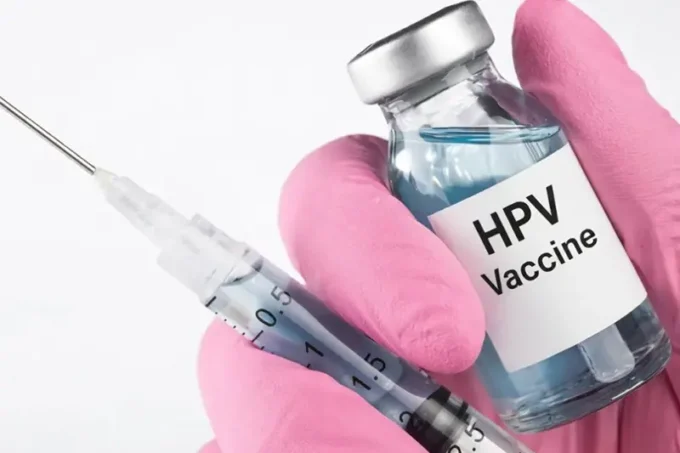
“Cervical screening via the pap smear and the use of the human papilloma virus test is one of the most effective methods of cancer prevention. It is capable of detecting cancerous changes before the start of any clinical symptomatology.” These tests can catch changes before cancer develops, saving lives.
Hormonal and Thyroid Tests
“However, hormonal and thyroid tests are of equal significance, especially in women who experience irregular menstrual cycles, severe symptoms of PMS, significant fluctuations in body weight, acne, thinning of hair, etc.”
Conditions like PCOS or thyroid disorders often begin quietly. “Syndromes such as PCOS, thyroid disorders, or high levels of prolactin can start off as menstrual disorders, whereas blood tests can give a quantified estimate of hormonal imbalances, thus yielding an appropriate course of treatment.”
Pelvic Ultrasound and Infection Testing
“The use of the pelvic ultrasound and the vaginal infection test is significant for patients showing signs of disorders such as pain through the pelvic area, unusual bleeding and discharges. This technology can assist with the evaluation of the overall structure of the uterus and the ovaries, detecting issues with cysts, tumors, and the uterine lining.”
“Tests can quickly diagnose the infection from bacteria, fungus, and parasites, which can easily be treated once the infection is confirmed.” Ignoring discharge, pain, or abnormal bleeding only allows problems to grow.
Essential Reproductive Health Tests for Men
Men often delay testing, assuming problems are “normal” or temporary. This can harm both health and fertility.
Semen Analysis
The reproductive health of males is often not tested because their symptoms do not seem to be serious or normal. Semen analysis is considered to be the basis for testing male fertility health because it involves testing sperm count, motility, and morphology. The role of male factors in causing human infertility is substantial, but testing is costly as attention is paid only to the female partner. Testing semen early on saves precious time and reduces emotional distress for couples seeking conception.
Hormone Testing in Men
Testing hormones, including testosterone, FSH, and LH, in men’s blood is used to determine low libido, erectile dysfunction, fatigue, and problems associated with sperm production – hormonal imbalance in men is more prevalent than imagined but is an easily correctible situation.
STI Screening
The screening of men for STIs, as well as the absence of manifestations of such diseases, plays the same crucial role. The reality is that many STIs manifest in men as silent, transmissible diseases. The screening of men for STIs is considered a routine practice. Men protect their partners by knowing their own health status.
Pre-Pregnancy and Fertility Planning Tests for Couples
Pregnancy planning should be shared, not one-sided. Pregnancy preparation ought to be facilitated by mutual testing instead of one-sided testing. Couples can benefit from undertaking Sexual Transmitted Infections panel testing, blood groups with RH typing, as well as certain genetic carrier tests before conception. This can minimize preventable pregnancy complications. Shared testing can encourage a sense of accountability between partners.
For women:
In most cases, women who are preparing for pregnancy may need to undergo ovary reserve testing, ovulation hormone testing, as well as uterine evaluation tests. This can provide knowledge of the entire fertility timeframe.
For men:
Semen testing and hormone testing should be carried out at the same phase in men, not months down the line. Fertility is also enhanced when both partners are tested together from the start, rather than months later.
Hormone, Metabolic and Cancer-related Screening
Reproductive health is connected to overall body health. Reproductive health bears a close association with endocrinal and metabolic well-being.
The doctor said, “The thyroid function, insulin resistance, prolactin levels, as well as the levels of vaginal and male hormones following imbalances, all affect the menstrual cycle, sexual function, and capacity to conceive.” Therefore, a holistic series of tests can assist in preventing conditions resultant from misdiagnosis.”
Cancer screening is equally important. In cancer objectivity tests performed on the reproductive organs of individuals, age- and risk-adjusted cancer screenings have to performed. Tests like cervical, breast, prostate, as well as testicular screenings can contribute to the early detection of disease conditions at early stages. As a result of fear of undergoing objectivity tests, survival can terribly be impacted.”
Family history matters too. Family history can be an important consideration within advanced genetic and cancer risk testing. A person with a good family history may require more screenings even before the occurrence of any signs and symptoms. A personal prevention strategy is more beneficial compared to a standardized surveillance interval.
When to Test, How Often, and How to Prepare?
There is no one-time testing rule. For sexually active adults, routine annual screening is a good starting point for everyone, and other screenings are used in relation to new partners, symptoms, and planning a pregnancy. Risk is not fixed but changes during the course of events. Such changes must be taken into account rather than keeping testing fixed.
Preparation improves accuracy. Assessment accuracy can be enhanced by means of preparation. Some tests, like those done to measure hormones, may require undertaking specific days of the cycle, while others may demand fasting before any blood is drawn. For others, such as swabs, abstinence may be needed before evaluation.
Emotional care matters too. Confidentiality, informed consent, and result counseling should be made integral parts of the testing process. The patients should be made aware of the implications of each test and the further steps which might be necessary. Informed testing helps alleviate anxiety, maximises adherence, and aids better decision-making toward health.
The Bigger Picture: Health, Confidence, and Relationships
Testing is not just about disease. It builds trust, improves communication between partners, and reduces fear. When people know their status:
- They make safer choices.
- They plan families better.
- They avoid unnecessary stress.
- They treat problems early.
Clarity replaces anxiety. In 2026, sexual and reproductive health should be treated like heart health or diabetes care, routine, respectful, and responsible.
Guessing about your body is risky. Silence delays solutions. Fear hides problems. But testing opens doors to clarity, confidence, and control. Your sexual and reproductive health deserves facts, not assumptions. It deserves care, not stigma. It deserves action, not delay.
Let 2026 be the year you stop wondering and start knowing — for your health, your partner, your future, and your peace of mind. Because clarity is not optional anymore. It is essential.
Disclaimer: The information provided in this article by Healthwire Media is for general informational and educational purposes only. It is not intended to replace professional medical advice, diagnosis, or treatment. While we strive to provide accurate and up-to-date information based on trusted sources such as WHO, Mayo Clinic, and government health guidelines, medical information can change over time. Always consult a qualified doctor or healthcare professional before making any health-related decisions, especially if you have any existing medical conditions or concerns. Do not ignore or delay seeking medical advice based on information you have read on this website. For more details, please read our full Medical Disclaimer page.














Leave a comment