


Rare diseases often remain undiagnosed for long periods, not because symptoms are absent, but because they may be subtle, overlapping, or easily misinterpreted in clinical settings. Early recognition frequently depends on timely access to specialised diagnostic tests that go beyond routine screening. The growing use of advanced molecular and genetic diagnostics in clinical practice has significantly improved the ability to detect rare disorders at earlier stages, allowing timely intervention, informed medical decisions, and better long-term outcomes for patients and their families.
Why are rare diseases often undiagnosed?
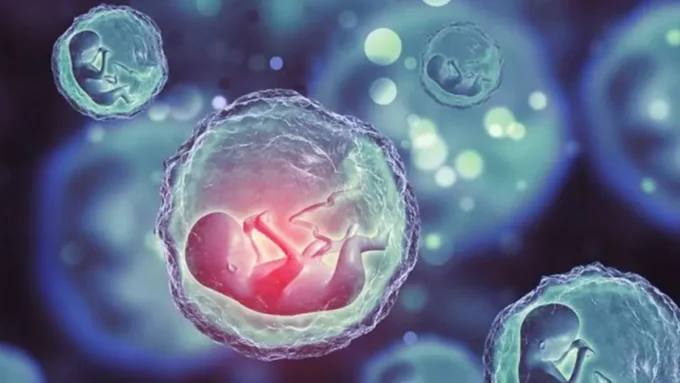
According to Dr Shiva Murarka, Sr. Scientist, Reproductive Genomics, Neuberg Centre for Genomic Medicine, “One of the most important developments in early detection has occurred in prenatal screening. Non-Invasive Prenatal Testing (NIPT) is a maternal blood test that analyses cell-free fetal DNA circulating in the mother’s bloodstream. This test helps assess the risk of chromosomal aneuploidies such as Down syndrome (Trisomy 21), Edwards syndrome (Trisomy 18), Patau syndrome (Trisomy 13), and sex chromosome abnormalities including Turner syndrome and Klinefelter syndrome.”
Because it requires only a simple blood sample from the mother and can be performed as early as nine weeks of pregnancy, NIPT provides a safe and early window into fetal chromosomal health without procedural risk to the fetus.
Non-Invasive Prenatal Testing (NIPT) for early detection
Unlike conventional screening methods such as biochemical markers or ultrasound alone, cell-free DNA analysis provides a significantly higher detection rate for common aneuploidies. However, it is important to note that NIPT is a screening test, not a definitive diagnostic test. When a high-risk result is identified, confirmation through invasive diagnostic procedures such as chorionic villus sampling (CVS) or amniocentesis is necessary. These procedures allow direct chromosomal analysis of fetal cells, providing a definitive diagnosis.
Role of genomic testing in diagnosing rare diseases
In addition to prenatal care, genomic diagnostics are central to being able to diagnose rare inherited disorders, metabolic syndromes, and cases of unexplained developmental delays. Different molecular diagnostic methods, including clinical exome sequencing, targeted gene panels, and chromosomal microarray analysis, are gaining ground as standard practice for patients with non-specific neurological, paediatric, or multisystem symptoms.
These genetic tests pave the way for identifying copy number variations, single-gene mutations, and microdeletions that standard pathology tests fail to uncover. Getting an early molecular diagnosis can be very helpful in putting an end to the long and exhausting journey for a diagnosis that many families undergo. Besides, it enables doctors to start supportive therapies, surveillance protocols, or genetic counselling without delay.
Expanded newborn screening for rare metabolic disorders
The newborn screening programs have in fact, been extended to cover rare metabolic and enzymatic disorders where a timely dietary or drug therapy may prevent permanent damage to organs. At the same time, highly targeted biomarker testing allows early diagnosis of rare blood, immune and lysosomal storage diseases before the patient’s condition worsens.
Why awareness and early diagnosis matter?
Technology is only one side of the coin. Awareness is equally, if not more, important. While most rare diseases cannot be cured, the management can be completely changed if the disease is detected early. Thus, early detection can help you avoid complications, make productive decisions, and improve the quality of your life.
Disclaimer: The information provided in this article by Healthwire Media is for general informational and educational purposes only. It is not intended to replace professional medical advice, diagnosis, or treatment. While we strive to provide accurate and up-to-date information based on trusted sources such as WHO, Mayo Clinic, and government health guidelines, medical information can change over time. Always consult a qualified doctor or healthcare professional before making any health-related decisions, especially if you have any existing medical conditions or concerns. Do not ignore or delay seeking medical advice based on information you have read on this website. For more details, please read our full Medical Disclaimer page.














Leave a comment