

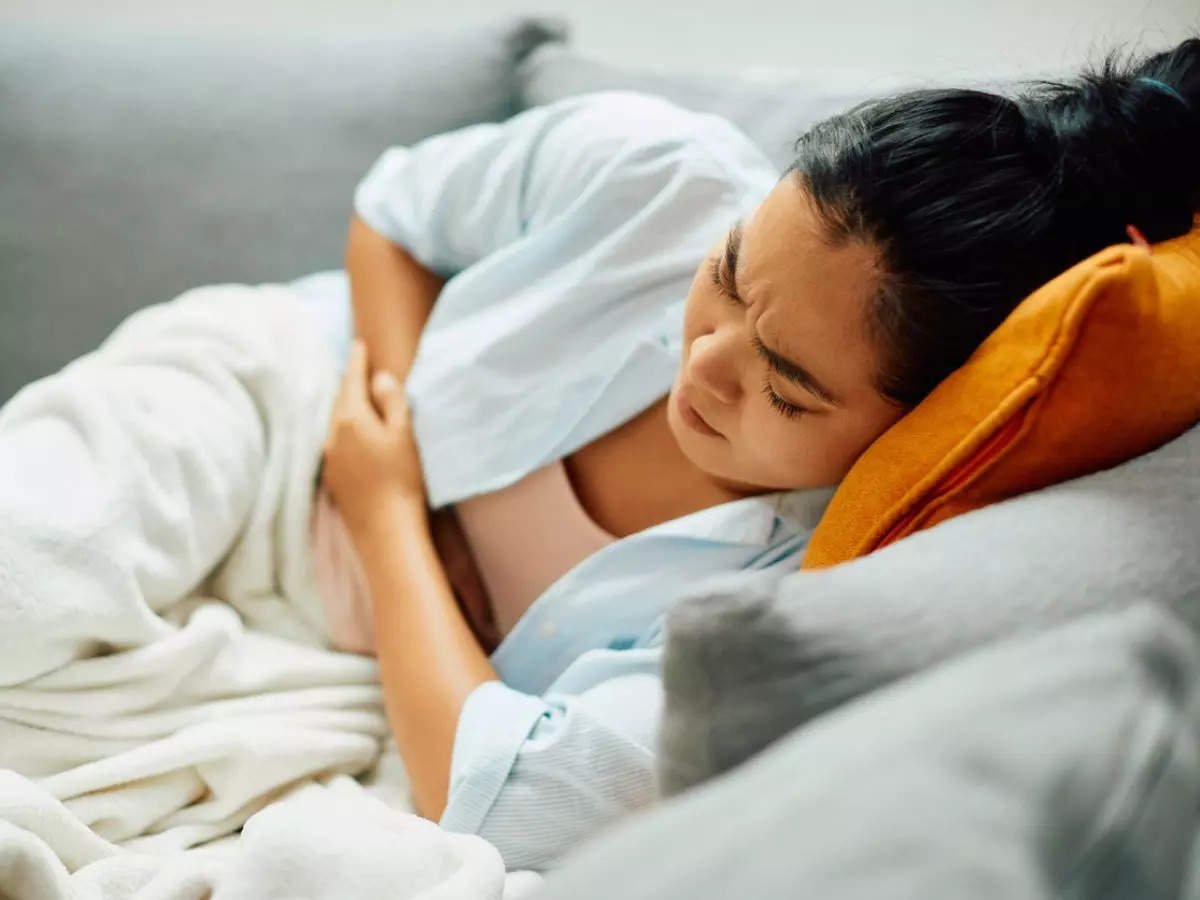
Many women experience pain and discomfort during their menstrual cycle and often consider it a normal part of periods. However, health experts say that severe pain, heavy bleeding, or persistent pelvic discomfort may sometimes indicate a deeper health issue.
One such condition is Endometriosis, a disorder that affects millions of women worldwide but is often diagnosed late because its symptoms are mistaken for normal menstrual pain.
According to Dr. Lipi Sharma – Gynecologist & Obstetrician, Sharda Care, Knowledge Park III, Greater Noida, menstrual patterns can reveal a lot about a woman’s overall health.
“Many women assume that intense period pain is normal and ignore it. But when the pain becomes severe enough to interfere with daily life, it could be a sign of an underlying condition like endometriosis,” she explains.
What is Endometriosis?
Endometriosis is a medical condition in which tissue similar to the lining of the uterus (endometrium) begins to grow outside the uterus. These cells may develop on the ovaries, fallopian tubes, or other areas within the pelvic region.
During each menstrual cycle, these tissues respond to hormonal changes just like the uterine lining. As a result, they can swell and bleed, leading to inflammation, severe pain, and sometimes complications affecting reproductive health.
Common symptoms women should not ignore
The symptoms of endometriosis can vary from woman to woman, but some warning signs are frequently reported.
These include:
- Severe menstrual cramps that are much more intense than normal period pain
- Chronic pelvic or lower back pain, even outside menstruation
- Heavy or prolonged periods with excessive bleeding
- Pain during urination, bowel movements, or sexual intercourse
- Difficulty getting pregnant
In many cases, women ignore these symptoms for years, assuming they are part of regular menstrual discomfort
Link between endometriosis and infertility
Endometriosis can affect fertility in several ways. The condition may cause inflammation and scar tissue around the ovaries and fallopian tubes, which can disrupt the reproductive process.
It can lead to:
- Difficulty in the release of eggs from the ovaries
- Blockage in the fallopian tubes
- Reduced ovarian function
Because of these factors, some women only discover they have endometriosis when they face challenges in conceiving.
Why Early Diagnosis Is Important
Early detection of endometriosis can help manage symptoms and reduce complications. Doctors may recommend pain-relief medications, hormone therapy, or surgery, depending on the severity of the condition. Dr Sharma emphasizes that timely medical consultation can make a significant difference.
“If women experience unusually severe period pain, heavy bleeding, or fertility problems, they should consult a gynecologist. Early diagnosis helps control symptoms and improves treatment outcomes,” she says.
Lifestyle changes may also help
Along with medical treatment, certain lifestyle habits may help manage symptoms of endometriosis. These include regular exercise, a balanced diet, and stress management, which can help reduce inflammation and improve overall reproductive health.
While mild menstrual cramps are common, persistent or extremely painful periods should not be ignored. They may be an early warning sign of endometriosis or other reproductive health conditions. Women who experience chronic pelvic pain, heavy bleeding, or difficulty conceiving are advised to seek medical advice for proper diagnosis and treatment.







Leave a comment