

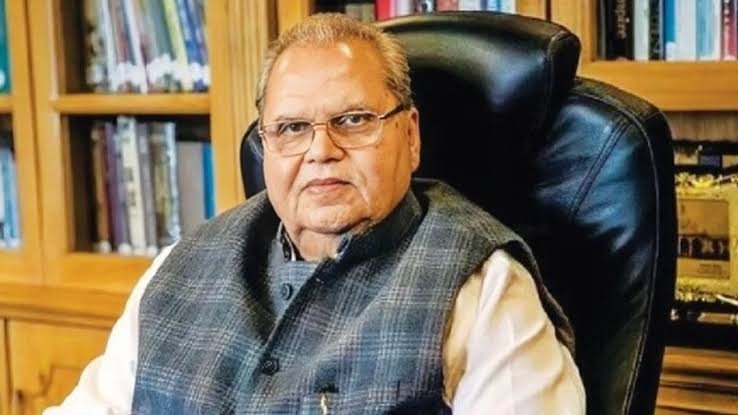
New Delhi, 05 August 2025: Former Jammu and Kashmir Governor Satya Pal Malik has passed away at the age of 79 after being hospitalised for dual kidney failure, according to official sources. The veteran politician, known for his role in one of India’s most sensitive union territories during a politically transformative period, was receiving treatment at a prominent hospital but could not recover from the life-threatening condition.
His death has not only sparked mourning across the political spectrum but also cast a spotlight on the deadly health issue that claimed his life — dual kidney failure, a condition that silently affects millions, particularly the elderly, in India and around the world.
Who Was Satya Pal Malik?
Satya Pal Malik was a seasoned Indian politician and administrator who served as the Governor of Jammu & Kashmir from August 2018 to October 2019 — a critical period that included the abrogation of Article 370 and the bifurcation of the state into two union territories.
He also served as governor in other states like Goa, Bihar, and Meghalaya, and was known for his bold political statements and independent views. Despite his age and declining health in recent years, Malik remained active in public discourse.
His passing has prompted tributes from across political lines, with leaders remembering him as a strong voice in Indian politics. But it also serves as a reminder of the growing health crisis of kidney disease in ageing populations.
What Is Dual Kidney Failure?
Dual kidney failure, also known as bilateral renal failure or end-stage renal disease (ESRD), occurs when both kidneys lose their ability to function properly. The kidneys are responsible for filtering toxins, balancing fluids and electrolytes, and regulating blood pressure.
When both kidneys fail, waste products build up rapidly in the bloodstream, leading to a condition called uremia, which can cause:
- Nausea and vomiting
- Confusion or decreased consciousness
- Shortness of breath
- Severe swelling
- Life-threatening heart rhythm issues
Without urgent dialysis or kidney transplantation, dual kidney failure can be fatal.
Causes of Dual Kidney Failure in Elderly Patients
Satya Pal Malik was 79, an age at which the risk of chronic illnesses rises significantly. Several factors can contribute to the development of bilateral kidney failure in older adults:
1. Chronic Kidney Disease (CKD)
Most cases of kidney failure start as CKD — a long-term condition that progresses over years. Common causes include:
- Diabetes
- Hypertension
- Cardiovascular disease
- Obesity
- Recurrent urinary tract infections
2. Acute Kidney Injury (AKI)
Sometimes, kidneys can suddenly stop working due to:
- Dehydration
- Blood loss
- Drug toxicity (like certain antibiotics or NSAIDs)
- Sepsis or infections
- Surgery complications
If both kidneys are affected and do not recover, it leads to complete renal shutdown.
3. Polycystic Kidney Disease or Genetic Disorders
Though less common, inherited conditions like polycystic kidney disease can cause kidney function to deteriorate over time.
4. Autoimmune Disorders
Conditions like lupus or glomerulonephritis can damage the kidney’s filtration system and cause failure.
Symptoms of Kidney Failure Everyone Should Know
Kidney disease is often called a “silent killer” because symptoms may not appear until significant damage has already occurred. However, the following signs can indicate kidney dysfunction:
- Fatigue and weakness
- Swollen feet, ankles, or face
- Changes in urination (foamy urine, dark colour, or reduced frequency)
- Nausea or vomiting
- Muscle cramps
- Difficulty concentrating
- High blood pressure that’s difficult to control
In elderly individuals, symptoms may be mistaken for normal ageing or other chronic illnesses, leading to late diagnosis.
How Kidney Failure Is Treated
Once both kidneys fail, immediate medical intervention is required to keep the patient alive. Treatment options include:
1. Dialysis
There are two types:
- Hemodialysis: Blood is filtered through a machine several times a week.
- Peritoneal dialysis: A tube placed in the abdomen is used to filter waste using the lining of the abdomen.
2. Kidney Transplant
This is the most effective long-term solution, but not always possible for elderly patients or those with multiple health issues.
3. Supportive or Palliative Care
In some cases, especially in elderly or terminal patients, dialysis may not be suitable. Comfort-based care and symptom management become the focus.
Why the Risk Increases with Age
As we age, kidney function naturally declines. The following age-related factors increase the risk of kidney failure:
- Decreased renal reserve: Elderly kidneys can’t compensate as well for stress or illness.
- Polypharmacy: Older adults often take multiple medications, increasing risk of drug-induced damage.
- Comorbidities: High blood pressure, diabetes, and heart disease are more common with age.
- Delayed detection: Many seniors do not get regular kidney function screening.
The Alarming Rise of Kidney Disease in India
Kidney disease is a growing public health crisis in India. According to the Indian Society of Nephrology:
- Over 17% of the population may be affected by some form of kidney dysfunction.
- Chronic kidney disease (CKD) is among the top 10 causes of death in the country.
- Dialysis services are still inaccessible or unaffordable for many, especially in rural regions.
Early detection through routine blood and urine tests (like creatinine, eGFR, and urine albumin) is critical for saving lives — but awareness remains low.
Can Kidney Failure Be Prevented?
While some causes like genetic disorders can’t be prevented, most cases of kidney failure are preventable with lifestyle and health management:
1. Control Blood Sugar and Blood Pressure
These are the leading causes of kidney damage.
2. Stay Hydrated — But Not Overhydrated
Drink adequate water daily but avoid excess fluid intake, especially if kidney function is already compromised.
3. Limit Overuse of Painkillers
Drugs like ibuprofen and diclofenac can damage the kidneys with regular or high use.
4. Get Regular Kidney Function Tests
Especially if you’re over 50, have diabetes, or a family history of kidney disease.
5. Eat a Kidney-Friendly Diet
Low sodium, low protein, and low phosphorus diets can reduce strain on kidneys.
Satya Pal Malik’s passing marks the end of an era in Indian politics — but it also underscores a serious and often overlooked health issue. Dual kidney failure is not just a condition of the elderly or the chronically ill; it can happen silently, with few warning signs, until it’s too late.
His death serves as a tragic reminder of why kidney health screenings, early lifestyle interventions, and awareness are vital — especially as India’s population continues to age.
















Leave a comment