

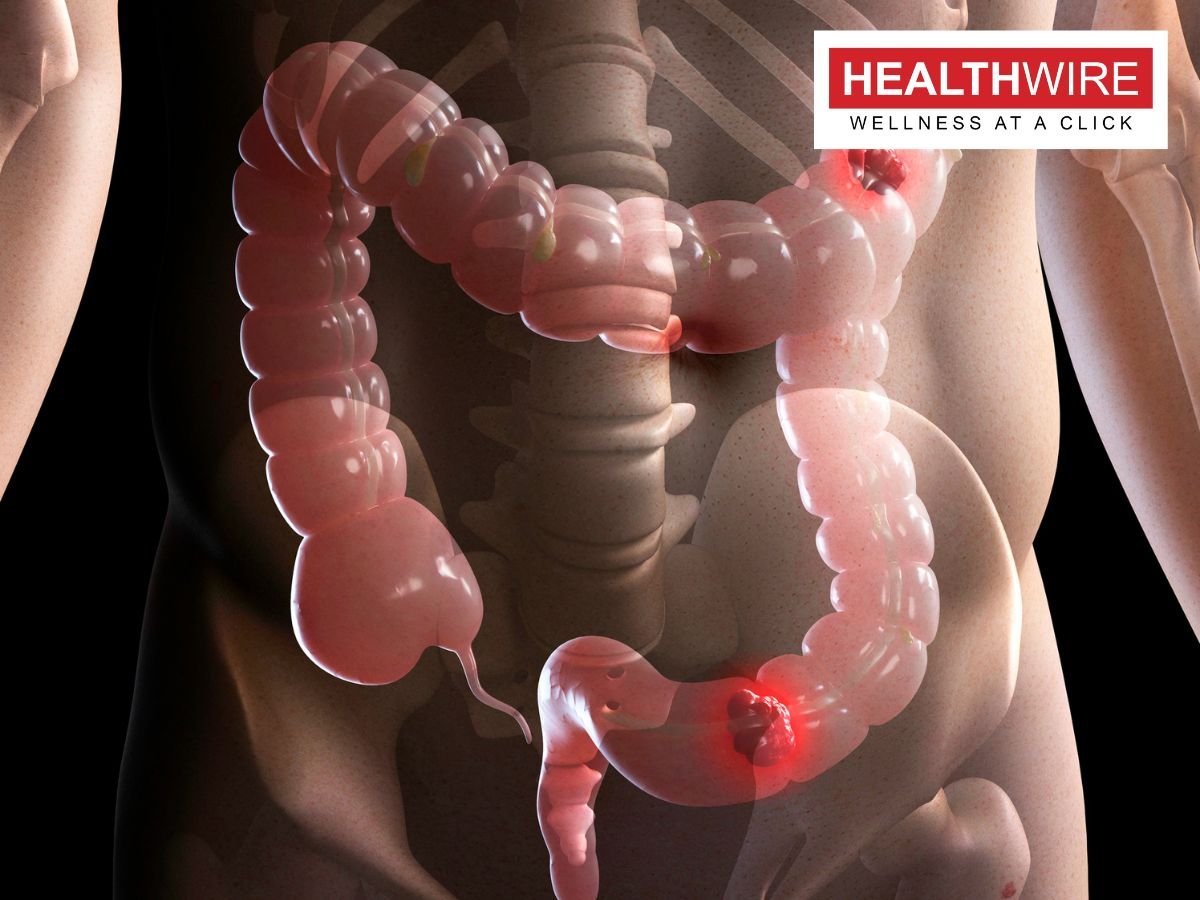
New Delhi, 04 October, 2025: Rectal bleeding is a symptom that many people dismiss as minor or attribute to harmless conditions such as hemorrhoids or constipation. While in some cases it may indeed be linked to benign causes, new research suggests that rectal bleeding significantly increases the likelihood of being diagnosed with colorectal cancer—by as much as 8.5 times.
This finding highlights the importance of not ignoring this symptom, especially if it persists or is accompanied by other warning signs. Colorectal cancer, which includes cancers of the colon and rectum, is the third most common cancer worldwide and one of the leading causes of cancer-related deaths. Early detection, however, can dramatically improve outcomes.
In this article, we’ll explore the causes of rectal bleeding, its link to colorectal cancer, red flags to watch for, diagnostic steps, and lifestyle measures to lower your risk.
What Is Rectal Bleeding?
Rectal bleeding refers to the passage of blood from the rectum or anus, often noticed during bowel movements. It can appear as:
- Bright red blood on toilet paper or in the toilet bowl
- Dark, tarry stools (which may suggest bleeding higher up in the colon)
- Streaks of blood mixed with stool
The color and consistency of the blood can give clues about the source of bleeding. Bright red blood usually comes from the lower rectum or anus, while darker blood may originate from the colon or digestive tract.
Common Causes of Rectal Bleeding
Not all cases of rectal bleeding are cancer-related. Some common causes include:
1. Hemorrhoids
Swollen blood vessels in the rectum or anus can rupture and bleed. This is the most common cause of rectal bleeding.
2. Anal Fissures
Small tears in the lining of the anus, often caused by passing hard stools, can lead to pain and bleeding.
3. Diverticulosis
Small pouches in the colon wall can bleed, sometimes heavily.
4. Inflammatory Bowel Disease (IBD)
Conditions such as Crohn’s disease or ulcerative colitis can cause inflammation and bleeding in the digestive tract.
5. Polyps
Noncancerous growths in the colon or rectum can bleed. Some polyps can eventually develop into cancer.
While these conditions are often treatable, rectal bleeding should never be assumed to be “just hemorrhoids” without proper evaluation.
Rectal Bleeding and Colorectal Cancer: The 8.5x Risk
According to recent studies, rectal bleeding is one of the strongest predictors of colorectal cancer. Data shows that people who experience rectal bleeding are 8.5 times more likely to be diagnosed with colorectal cancer compared to those without the symptom.
Why such a strong link?
- Tumors in the colon or rectum can damage blood vessels, leading to bleeding.
- Polyps that bleed may already be undergoing precancerous changes.
- Persistent bleeding is often a sign of structural or malignant changes in the bowel.
Importantly, the risk increases with age and when bleeding is accompanied by other symptoms such as weight loss, abdominal pain, or changes in bowel habits.
Warning Signs That May Indicate Colorectal Cancer
Rectal bleeding is only one piece of the puzzle. Other symptoms can provide critical clues:
- Persistent change in bowel habits – diarrhea, constipation, or narrow stools that last more than a few weeks.
- Blood in stool – bright red or dark tarry stools.
- Abdominal discomfort – cramps, gas, or persistent pain.
- Unexplained weight loss – losing weight without changes in diet or activity.
- Fatigue or weakness – often due to anemia from chronic blood loss.
- A feeling of incomplete bowel emptying after a movement.
If rectal bleeding occurs along with one or more of these symptoms, medical evaluation should not be delayed.
Who Is at Risk of Colorectal Cancer?
Certain factors increase the risk of developing colorectal cancer:
- Age: Risk rises sharply after age 50, though cases are increasing among younger adults.
- Family history: A close relative with colorectal cancer or polyps raises risk.
- Diet: High consumption of red meat, processed foods, and low-fiber diets are linked to higher risk.
- Lifestyle: Sedentary lifestyle, obesity, smoking, and heavy alcohol use are risk factors.
- Medical conditions: Inflammatory bowel disease, diabetes, or previous polyps increase risk.
Diagnosis: How Doctors Investigate Rectal Bleeding
If you visit a doctor with rectal bleeding, the evaluation may involve:
- Medical history and physical exam – including questions about symptoms, family history, and lifestyle.
- Digital rectal exam (DRE) – a simple test to check for abnormalities in the rectum.
- Colonoscopy – the gold standard for detecting polyps, cancers, and other causes of bleeding.
- Sigmoidoscopy – examines the rectum and lower colon.
- Fecal occult blood test (FOBT) or FIT – checks for hidden blood in the stool.
- Imaging scans – CT colonography or MRI may be used in certain cases.
A biopsy (removing a small tissue sample during colonoscopy) confirms whether abnormal tissue is cancerous.
Treatment Options for Colorectal Cancer
If colorectal cancer is diagnosed, treatment depends on the stage, location, and overall health of the patient:
- Surgery – Removal of cancerous sections of the colon/rectum.
- Chemotherapy – Drugs that destroy cancer cells, often used after surgery or for advanced cancers.
- Radiation therapy – Commonly used for rectal cancer to shrink tumors before surgery.
- Targeted therapy & immunotherapy – Advanced options that target specific cancer pathways or enhance the immune response.
Early-stage colorectal cancer is highly treatable, with survival rates of over 90% when detected before it spreads.
Preventing Colorectal Cancer
The good news: up to 80% of colorectal cancers may be preventable through lifestyle changes and routine screening. Experts recommend:
- Regular screening – Colonoscopy every 10 years starting at age 45 (earlier if at high risk).
- Healthy diet – High in fiber, fruits, vegetables, and whole grains.
- Limit red and processed meats – Reduce consumption of bacon, sausages, and processed foods.
- Exercise regularly – At least 150 minutes of moderate activity per week.
- Avoid smoking and alcohol – Both increase cancer risk.
- Maintain a healthy weight – Obesity is a significant risk factor.
When to See a Doctor
You should not delay medical care if you notice:
- Rectal bleeding that lasts more than a few days
- Blood in stool (bright red or dark)
- Changes in bowel habits
- Unexplained weight loss or fatigue
Even if the cause is something benign, it is safer to rule out cancer through appropriate screening.
Rectal bleeding may be embarrassing or inconvenient, but it is never a symptom to ignore. While hemorrhoids or minor issues are common culprits, research shows that rectal bleeding increases the odds of colorectal cancer diagnosis by 8.5 times. Early detection is crucial, as colorectal cancer is highly treatable in its initial stages but can be deadly if caught late.
The bottom line: If you notice persistent rectal bleeding—especially if you are over 40, have a family history of colorectal cancer, or experience other warning signs—seek medical attention promptly. A timely colonoscopy could not only diagnose the problem but potentially save your life.
Your health is too important to leave to chance—don’t wait, get it checked.

















Leave a comment