

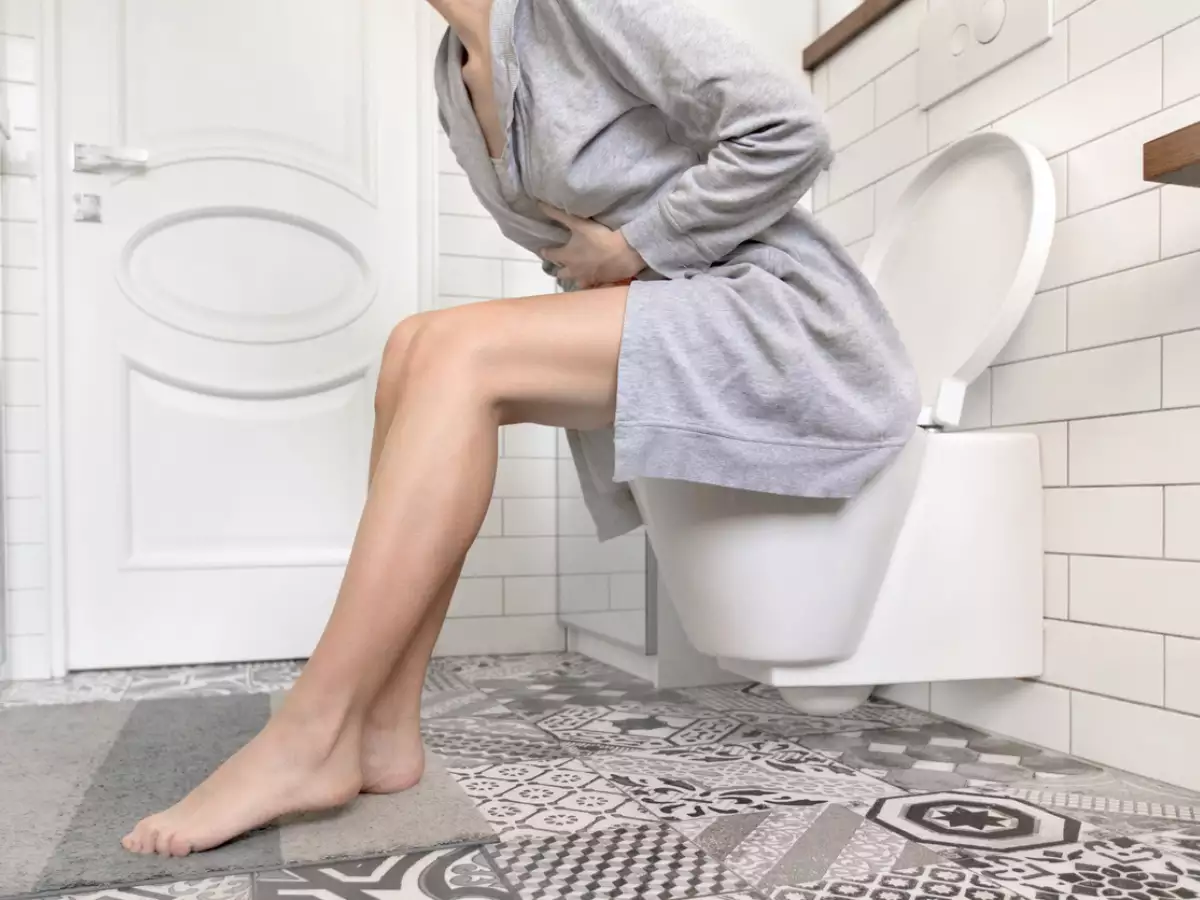
Two frequent physical signs- pale stool and dark yellow urine can reveal underlying health concerns. Even though these alterations might seem trivial initially, they are important clues regarding your overall health. It’s imperative to notice these body alarms, as they can forewarn you about potential health risks.
Understanding Causes of Pale Stool
Let us first understand what causes pale stool in an adult and what does it indicate about the overall health.
Light-colored or clay-colored stools might give you a reason to worry, hinting at complications in your liver or bile ducts. A stool that lacks its typical brown shade could mean a decrease in bile production or a blockage in the bile ducts. The color change of your stool can suggest that your liver isn’t working as it should and might demand further inquiry to unearth the root cause.
Understanding The Function of Bile Duct
Bile is a digestive fluid, birthed in the liver, pivotal in breaking down fats and aiding digestion. If bile production hits a snag, it can result in light or clay-colored stools. Moreover, a decay in the blood pigment, bilirubin, which rockets stool its regular brown color, can lead to a color change. Hence, any glitch in the production or delivery of bile could materialize as a pale stool.
Why Is Your Urine Turning Dark Yellow?
Contrarily, dark yellow urine can also supply useful clues about your health. The hue of the urine gets shifted by various aspects, like how much water you drink, your diet, and the substances present in your body. Dark yellow urine often indicates dehydration, a sign that you might not be drinking enough fluid. However, in some instances, dark yellow color could also link to liver or kidney problems.
Dehydration and its Relation to Stool and Urine Color
When your body is craving water, your urine tends to be more concentrated, which gives it a darker yellow shade. Ignoring dehydration can negatively impact your health, disrupting various bodily functions and potentially causing complications, if unhandled. Therefore, it’s vital to keep sipping fluids the entire day to keep your body working efficiently and preserve the urine’s standard color.
Overall, these two signs can say a lot about your body and what is happening inside it. You must consult a doctor or an expert immediately after spotting these two symptoms.














Leave a comment