

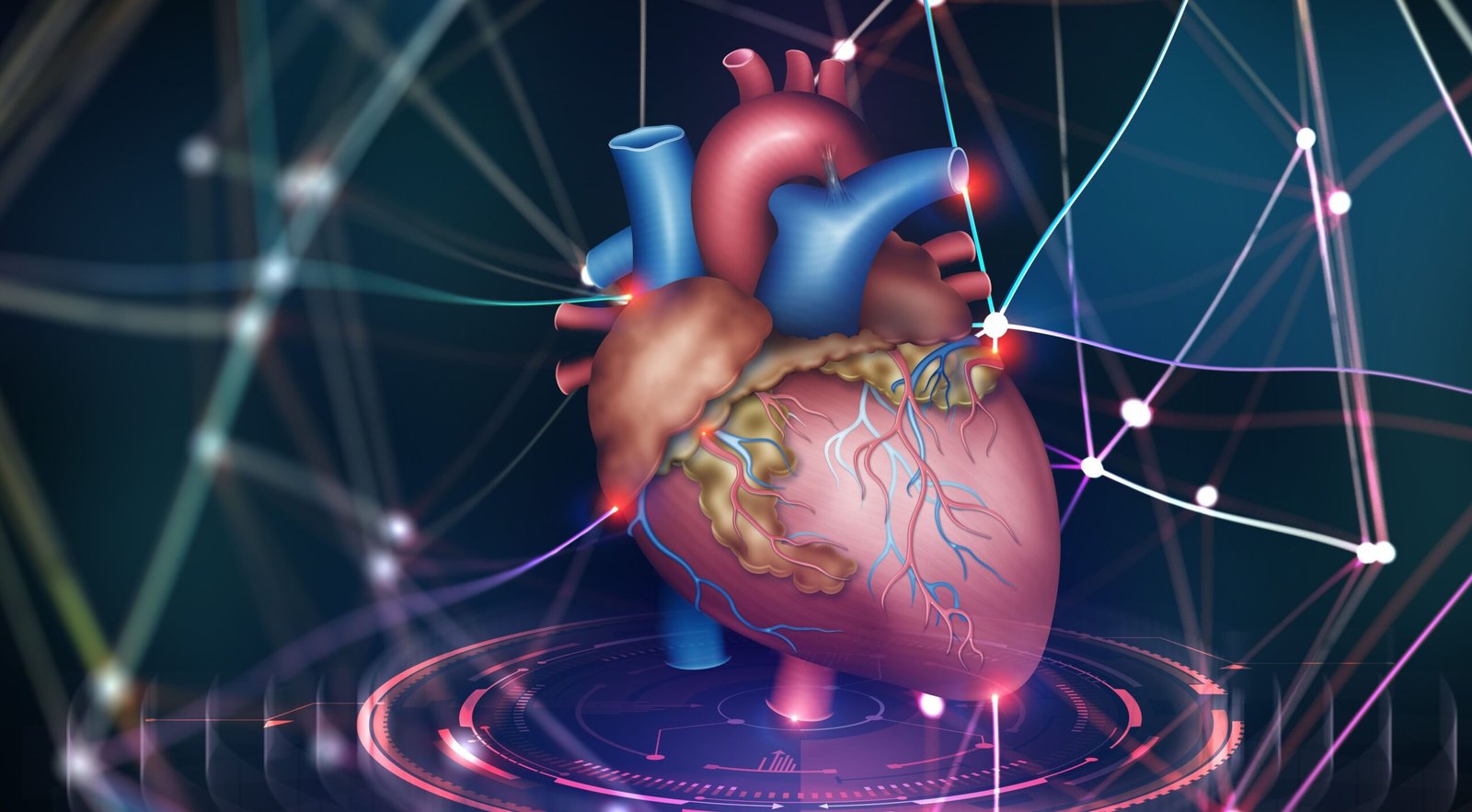
New Delhi, 05 October, 2025: Heart attacks are often described as sudden, shocking events — but in reality, they rarely come without warning. A new study has revealed that over 99% of people who experience a heart attack report having early warning signs, many of which are often ignored or mistaken for minor issues.
The findings underscore a critical message from cardiologists: the body almost always sends a signal before a cardiac event, and recognizing those signals can be the difference between life and death.
The Study: Nearly All Heart Attacks Show Early Symptoms
The recent study, published in the Journal of the American College of Cardiology, analyzed data from over 5,000 heart attack survivors across various age groups. The researchers found that 99% of patients had one or more symptoms in the days or weeks leading up to their heart attack — but only 40% sought medical attention before the event occurred.
The most commonly overlooked signs included:
- Unusual fatigue
- Shortness of breath
- Chest pressure or tightness
- Indigestion-like discomfort
- Pain radiating to the neck, back, or jaw
Lead researcher Dr. Michael Langston stated, “The biggest misconception about heart attacks is that they strike suddenly. In most cases, your body starts warning you hours, days, or even weeks in advance. Recognizing and acting on those signs can save lives.”
The Subtle Signals: What People Commonly Ignore
Many early heart attack symptoms are easy to confuse with everyday ailments like acidity, muscle strain, or anxiety. Let’s look at the warning signs more closely:
1. Persistent Fatigue
A feeling of extreme tiredness or lack of energy — especially in women — can indicate reduced oxygen flow to the heart. The study found that nearly 70% of female heart attack patients reported fatigue as their first symptom, often days before the event.
2. Shortness of Breath
Feeling breathless while doing normal activities such as climbing stairs or walking can be a red flag. It occurs when the heart struggles to pump blood efficiently, leading to oxygen deprivation.
3. Chest Discomfort (Not Always Pain)
Contrary to popular belief, heart attack pain isn’t always severe. Many patients experience a feeling of tightness, heaviness, or burning — sometimes mistaken for indigestion. This discomfort can last for minutes, disappear, and then return.
4. Pain in the Neck, Jaw, or Back
Cardiac pain can radiate beyond the chest. In particular, jaw and upper back pain are common in women. These symptoms are often dismissed as muscle strain or dental issues.
5. Cold Sweats, Dizziness, or Nausea
Unexplained sweating or lightheadedness can signal a drop in blood flow to the brain and skin — a physiological response to the heart’s distress.
6. Swelling in Legs or Ankles
Fluid buildup, or edema, around the ankles and feet may indicate early heart failure or circulation issues.
Dr. Rajesh Mehra, Senior Cardiologist at Apollo Hospitals, warns, “If you notice these signs, even if mild or intermittent, consult a cardiologist immediately. The earlier you intervene, the higher your chances of survival and recovery.”
Why Most People Miss the Warning Signs
The study found that two-thirds of patients attributed their symptoms to non-cardiac causes like stress, indigestion, or aging. Men were more likely to delay seeking help, while women often minimized their symptoms due to household or work responsibilities.
There’s also a widespread misconception that heart attacks affect only older men. In reality, lifestyle changes, stress, obesity, and diabetes have increased heart disease risk in both younger adults and women.
Dr. Mehra adds, “Today, we’re seeing heart attacks in people in their 30s and 40s. The biggest challenge is awareness — people don’t realize their symptoms are heart-related until it’s too late.”
The Golden Hour: Acting Fast Saves Lives
When it comes to heart attacks, time is muscle — every minute of delay can cause irreversible heart damage.
The first 60 minutes after symptom onset, known as the “golden hour,” are critical for survival. Quick intervention through medication or angioplasty can restore blood flow and prevent fatal complications.
If you suspect a heart attack, experts recommend these immediate steps:
- Call emergency services right away. Don’t drive yourself to the hospital.
- Chew an aspirin (unless allergic) to reduce clotting.
- Rest and avoid exertion while waiting for help.
- Keep emergency numbers and medical information accessible at home and work.
Who’s at Higher Risk?
While anyone can experience a heart attack, certain groups face a higher risk:
- Individuals with high blood pressure, diabetes, or cholesterol
- Smokers and heavy alcohol consumers
- Those with a family history of heart disease
- People with sedentary lifestyles or high stress levels
- Postmenopausal women
Lifestyle factors such as poor diet, inadequate sleep, and emotional stress further accelerate heart disease risk.
Preventing the Unthinkable: 5 Heart-Healthy Habits
Experts emphasize that 80% of heart attacks are preventable with consistent lifestyle changes.
Here are five cardiologist-approved habits to protect your heart:
1. Eat Smart
Adopt a Mediterranean-style diet rich in whole grains, olive oil, fish, nuts, fruits, and vegetables. Limit trans fats, processed foods, and sugar.
2. Move Every Day
Engage in at least 30 minutes of physical activity most days. Even brisk walking can improve blood flow and reduce cholesterol.
3. Sleep 7–8 Hours a Night
Poor sleep increases inflammation and stress hormones that strain the heart. Maintain a consistent bedtime routine.
4. Manage Stress
Chronic stress triggers hormonal surges that raise blood pressure. Try meditation, yoga, or mindfulness to stay calm.
5. Quit Smoking and Limit Alcohol
Smoking damages blood vessels and increases clot formation. Alcohol, when consumed in excess, raises blood pressure and triglycerides.
Modern Diagnostics: Detecting Risk Early
New medical tools are making early detection of heart disease easier and more precise. Cardiologists now recommend advanced tests like:
- High-sensitivity CRP (hs-CRP): Detects inflammation that predicts future heart attacks.
- Coronary calcium scan: Identifies plaque buildup in arteries.
- Echocardiogram: Evaluates heart function and structure.
- Stress ECG: Measures how the heart responds to exertion.
Regular health check-ups after age 30 — especially for those with a family history — can significantly reduce the risk of undetected heart disease.
Expert Takeaway: Listen to Your Body
Heart attacks are not always dramatic. Sometimes, it’s just that persistent fatigue, subtle pressure, or shortness of breath that doesn’t go away.
Dr. Mehra sums it up powerfully: “Your heart whispers before it screams. If you learn to listen, you can prevent the worst from happening.”
The key takeaway from the new study is clear — almost every heart attack gives a warning, and it’s our responsibility to recognize it. Awareness, quick action, and preventive care can save millions of lives each year.
















Leave a comment