

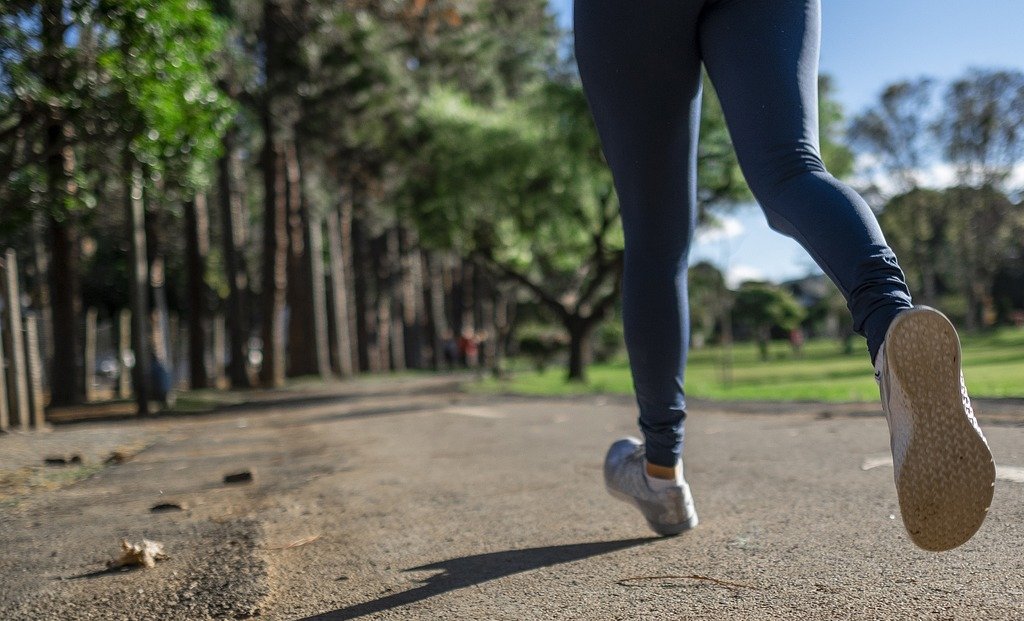
Almost half of India’s adults do not get enough physical activity, which puts them at a higher risk for heart disease and other health problems, according to a study by World Health Organisation (WHO) researchers released on Tuesday.
The study shows that the percentage of Indian adults aged 18 and older who are not sufficiently active has more than doubled in the past two decades. It went from around 22% in 2000 to 33% in 2010 and now stands at 49% in 2022.
If this trend continues, the proportion of inactive adults in India could rise to nearly 60% by 2030. The study, which analyzed physical inactivity levels across 197 countries and territories, suggests a growing global issue.
In 2022, nearly one-third (31%) of adults worldwide, or about 1.8 billion people, did not meet the WHO’s recommended levels of physical activity. These levels are 150 minutes of moderate-intensity exercise or 75 minutes of vigorous-intensity exercise per week. By 2030, this number is expected to increase to 35%.
Physical inactivity can lead to a higher risk of serious health issues like heart attacks, strokes, diabetes, dementia, and cancers of the breast and colon. “Physical inactivity is a silent threat to global health, contributing significantly to chronic diseases,” said Ruediger Krech, WHO’s director of health promotion. “We need to find innovative ways to motivate people to be more active, considering factors like age, environment, and cultural background.”
The WHO researchers, along with their collaborators, analyzed data from 197 countries. They found that the highest rates of physical inactivity are in the high-income Asia Pacific region (48%), followed by South Asia (45%).
The study, published in The Lancet Global Health journal, also noted differences between genders and age groups. Globally, women are more inactive (34%) compared to men (29%). Older adults (above 60) are less active than younger adults.
To promote physical activity, more than just individual motivation is needed. “It will require creating environments that make it easier and safer for everyone to be more active in ways they can reap the health benefits of physical activity,” said Fiona Bull, head of the WHO’s physical activity unit.
Indian doctor’s familiar with obesity trends in the country were not surprised by the study’s findings. “While it is good to have had socio-economic development, it has unfortunately been accompanied by rising levels of inactivity,” said Viswanathan Mohan, a diabetes specialist in Chennai who was not involved in the study.
Increase in Alcohol Consumption
On the same day, an independent WHO report on alcohol consumption worldwide projected that India’s alcohol consumption per person will rise from 4.9 liters currently to 6.7 liters by 2030.
The report estimated that India’s alcohol-related death rate is 38.5 per 100,000 people, which is higher than China’s 16.1 per 100,000. Out of the 2.6 million alcohol-related deaths worldwide, 482,000 occur in India.
The combined findings of these reports highlight significant public health challenges that India faces, emphasizing the need for comprehensive strategies to encourage healthier lifestyles among its population.














Leave a comment