

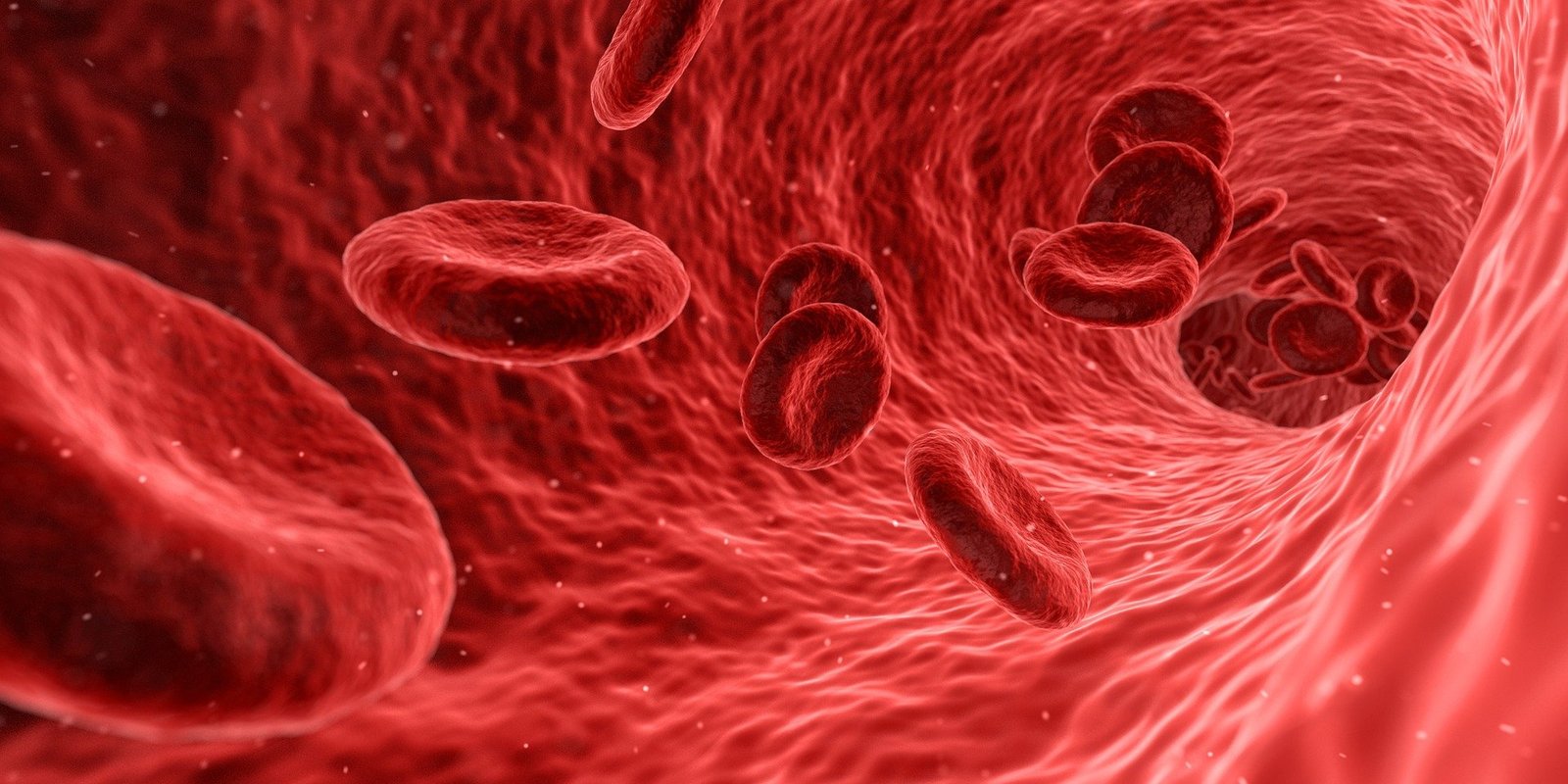
In the vast world of human health, bleeding problems stand out as confusing issues that affect many people worldwide. These problems, known for causing unusual bleeding, can range from not too serious to quite a big deal. It’s crucial to understand the different types, reasons, and treatments for these problems to improve the lives of those dealing with them.
Types of Bleeding Issues
Hemophilia:
Hemophilia is a well-known problem where your blood lacks enough clotting stuff, and it often runs in families. People with hemophilia tend to bleed longer, even from small cuts. There are two main types: Hemophilia A, caused by not having enough clotting factor VIII, and Hemophilia B, linked to not having enough factor IX.
von Willebrand Disease (VWD):
VWD is the most common inherited bleeding problem and happens when you don’t have enough or properly working von Willebrand factor (VWF). This important thing helps your blood clot. VWD has three types, each with different levels of seriousness, and it can affect both males and females.
Platelet Disorders:
Platelets are important for making blood clots, and problems with these little things can lead to too much bleeding. Conditions like Idiopathic Thrombocytopenic Purpura (ITP) and Bernard-Soulier syndrome are in this category, messing with how platelets work or how many you have.
What Causes Bleeding Issues
Genetic Factors:
Bleeding problems often happen because of things passed down in families. For example, hemophilia is more likely in guys and is checked with genetic testing.
Other Health Problems:
Some health problems or treatments can add to bleeding issues. Liver diseases can mess with clotting stuff, and certain medicines, like ones stopping blood from clotting, can make things worse.
Injuries and Surgeries:
Getting hurt or having surgeries can trigger bleeding problems, especially if you already have health issues or take medicine that makes blood thinner. Checking things out before surgery is important to handle the risk of bleeding too much.
How We Deal with Bleeding Issues
Clotting Factor Replacement:
For people with hemophilia, treatment often means putting in the missing clotting stuff to help blood clot better. Technology has made these treatments more available and safer.
Desmopressin (DDAVP) Treatment:
For milder cases of von Willebrand Disease, a man-made hormone called desmopressin can help release more von Willebrand factor, making blood clot better for a while. It’s used before surgeries or to control bleeding episodes.
Platelet Transfusions:
For those with platelet problems, getting platelets from someone else might be suggested to make more platelets and help blood clot better. But it depends on what specific problem you have.
Gene Therapy:
In the future, there’s a cool idea called gene therapy. It aims to fix the genetic problems causing these bleeding issues. It’s still early days, but it’s exciting because it could bring long-lasting relief by tackling the real problem.
In the end, understanding the details of bleeding problems is important for both doctors and people dealing with these issues. Ongoing research and better treatments are making things better and improving how people live. As we find out more about these problems, we’re getting closer to managing them well and, hopefully, finding cures.














Leave a comment