
Home Latest News More Than 200 People in the UK Affected by E. coli Outbreak
Latest News

More Than 200 People in the UK Affected by E. coli Outbreak

Share
Share

In the past few days, three suppliers in the UK have recalled 60 types of pre-packed sandwiches, wraps, and salads due to an E. coli outbreak. According to the BBC, more than 200 people in the UK have been infected by E. coli recently, and 42% of those affected were hospitalized.

What is E. coli Infection?

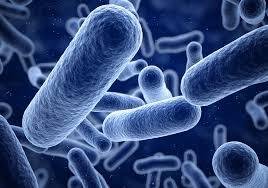
E. coli infection is caused by a type of bacteria known as Escherichia coli. These bacteria are usually found in the intestines of humans and animals. While most types of E. coli are harmless and help maintain a healthy gut, some strains can cause severe food poisoning.

How Do You Get E. coli?

E. coli infections usually happen when people eat or drink something contaminated with the bacteria. Common sources include undercooked ground beef, raw milk, unpasteurized juice, and fresh produce that has touched contaminated water.

The current outbreak in the UK is caused by a specific strain called E. coli STEC 0145. This strain produces a harmful toxin and can lead to serious foodborne illness. Symptoms include severe stomach cramps, diarrhea (often bloody), and vomiting. While less known than the more common E. coli 0157, STEC 0145 is just as dangerous. Severe cases can lead to hemolytic uremic syndrome (HUS), a condition that causes kidney failure.

Common Symptoms

Symptoms of E. coli infection usually start three to four days after eating contaminated food. They include:

– Severe stomach cramps

– Diarrhoea (often bloody)

– Vomiting

– Mild fever (sometimes)

Young children and the elderly are at higher risk for serious complications, including HUS.

Diagnosis and Treatment

Doctors can confirm an E. coli infection with a stool test. Treatment mainly involves supportive care, like drinking plenty of fluids and getting rest. Antibiotics are not recommended because they can increase the risk of complications.

How Can You Prevent E. Coli Infections?

To reduce the risk of E. coli infection, follow these safety tips:

– Cook meat thoroughly.

– Avoid unpasteurized milk and juice.

– Wash fruits and vegetables well.

– Practice good hand hygiene, especially before eating and after using the bathroom.

This E. coli outbreak in the UK shows how crucial it is to follow good food safety and hygiene practices. By being careful about what we eat and how we handle food, we can help prevent the spread of harmful bacteria.


Share

Leave a comment

Leave a Reply

Your email address will not be published. Required fields are marked *

Don't Miss

Gastroenterology

World Liver Day 2026: 10 simple habits to reverse fatty liver

Fatty liver is silently gaining popularity as one of the most prevalent ailments while the vast majority of people are not aware that...

Signs Of Heart Attack
Cardiology

Heart Attack Symptoms Explained: Does the Pain Always Occur on the Left Side? Expert Reveals Warning Signs You Shouldn’t Ignore

In 2026, heart attacks are not limited to the elderly—young people are increasingly facing this serious condition. Before a heart attack occurs, the...

There are many microorganisms that directly harm the stomach.
Diet & NutritionLifestyle & Wellness

Viral gastroenteritis cases amid rising summer heatwave: Tips to protect yourself

As the temperature continues to rise, viral gastroenteritis also known as stomach flu spikes in Mysuru with reports indicating a sharp rise in...

Nephrology

Heatwave alert: How dehydration silently damages your kidneys and hidden risks you must not ignore

With the moderate increase in temperatures in India, the majority of the population is concentrating on being hydrated. Although dehydration is a key...

Lifestyle & Wellness

Pre-pregnancy obesity may raise child’s fatty liver risk by 3 times, warns expert

Planning a pregnancy often focuses on eating well, taking supplements, and going for regular check-ups. However, recent studies indicate that preconceptual health is...

Section title

Related Articles
Latest News

PCOS vs PMOS: Understanding the Key Differences in Women’s Hormonal Health

For years, millions of women across the world have known the hormonal...

Latest News

Indian techie dies in California after contracting rare fungal infection: What is valley fever and how dangerous is it?

An Indian technology professional recently lost his life in California after contracting...

Latest News

Creatine for muscle and brain: What science really says about strength, performance and safety

Creatine is the world’s most popular fitness supplement. You may come across...

Latest News

Hantavirus Outbreak: How This Dangerous Rodent-Borne Infection Spreads And The Warning Signs You Should Never Ignore

The recent concerns around hantavirus outbreaks have once again highlighted the dangers...










