

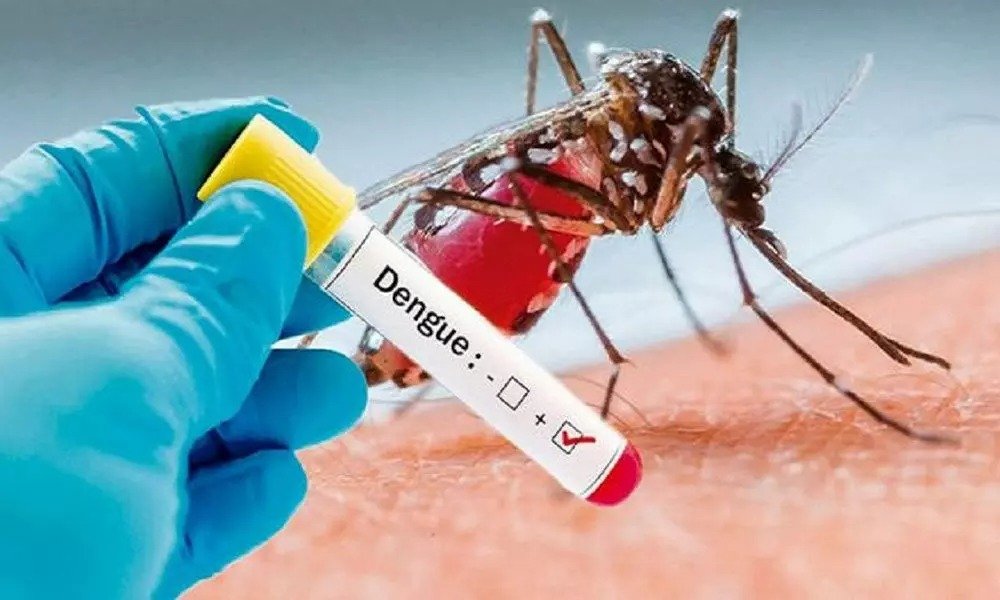
New Delhi, 03 August 2025: With the arrival of the monsoon season, temperatures drop and greenery blooms — but so do mosquitoes. This increase in mosquito populations during the rainy season can quickly lead to a rise in vector-borne diseases such as dengue, malaria, and chikungunya. The World Health Organization (WHO) warns that mosquito-borne illnesses surge during monsoon, especially in tropical and subtropical regions.
To help you stay safe and enjoy the monsoon without falling sick, here are 10 expert-backed mosquito prevention tips that work.
1. Eliminate Stagnant Water
Stagnant water is the perfect breeding ground for mosquitoes. During the monsoon, it’s easy for water to collect in flowerpots, old tires, coolers, and buckets. Mosquito larvae thrive in standing water, so:
- Empty and clean containers every 2–3 days.
- Cover water tanks and storage containers.
- Ensure proper drainage around your home.
By eliminating mosquito breeding grounds, you stop the problem before it starts.
2. Use Mosquito Nets and Screens
Physical barriers are one of the simplest and most effective ways to protect yourself from mosquito bites. Invest in good-quality mosquito nets for beds and ensure window and door screens are intact and without holes. These barriers help prevent night-time bites, especially from malaria-causing mosquitoes which are active after dusk.
3. Apply Natural and Chemical Mosquito Repellents
Mosquito repellents are a must during the rainy season. DEET-based repellents are widely recommended by experts. You can also opt for natural alternatives like citronella, eucalyptus oil, neem oil, or lavender oil, which repel mosquitoes effectively.
Apply repellents:
- On exposed skin
- Around doorways and windows
- Near baby cots and beds
Remember to reapply every few hours, especially if you’re sweating or exposed to rain.
4. Wear Protective Clothing
Covering your body reduces the chances of mosquito bites. During monsoon, wear:
- Long-sleeved shirts
- Full-length pants
- Socks and shoes (especially during evening outings)
Opt for light-colored clothing, as mosquitoes are more attracted to dark colors.
5. Install Mosquito Traps and Zappers
Electronic mosquito traps and zappers can reduce mosquito populations indoors. These devices attract mosquitoes using UV light and trap or kill them on contact. Use them:
- Near entry points
- In bedrooms and kitchens
- In balconies and shaded corners
These are especially useful in urban areas with poor drainage systems.
6. Use Indoor Mosquito Sprays and Coils Safely
Mosquito sprays and coils can help drive insects out of your home. However, always follow safety instructions. Use these products:
- In well-ventilated areas
- Away from children and pets
- Before bedtime or when you’re not in the room
Natural incense sticks with lemongrass or camphor can also help repel mosquitoes while being safer for indoor use.
7. Keep Your Home Dry and Clean
Monsoon brings not just water but also dampness and mold, which attract insects. Keep your home:
- Dry using dehumidifiers or exhaust fans
- Clean, especially in corners, under furniture, and behind curtains
- Free from food waste and open garbage
A clean environment discourages mosquito infestation and other pests.
8. Use Mosquito-Repellent Plants
Several plants naturally repel mosquitoes. Consider growing:
- Tulsi (Holy Basil)
- Lemongrass
- Marigold
- Citronella grass
- Mint and Lavender
Place these plants near windows or balconies to help keep mosquitoes away naturally.
9. Avoid Outdoor Activity at Peak Hours
Mosquitoes are most active:
- In the early morning (dawn)
- At dusk (sunset)
If possible, stay indoors during these hours. If you need to go out, wear repellent and protective clothing. Avoid sitting near water bodies, parks, or dense greenery during these times.
10. Stay Alert for Symptoms of Mosquito-Borne Diseases
Even after taking precautions, bites may still happen. Watch for early signs of illnesses like dengue, malaria, or chikungunya, which include:
- High fever
- Joint pain
- Headaches
- Fatigue
- Skin rash
- Nausea or vomiting
Seek immediate medical attention if symptoms appear. Early detection is key to a faster and safer recovery.
The Bigger Picture: Why Mosquito Control Matters
Monsoon diseases like dengue and malaria can have serious complications, especially for children, pregnant women, the elderly, and people with weakened immune systems. According to the National Vector Borne Disease Control Programme (NVBDCP), India sees a spike in mosquito-borne illnesses during July–September each year.
Moreover, with urban flooding and poor sanitation, mosquito control becomes harder. Preventing bites isn’t just about personal safety — it’s also about reducing disease transmission in your community.
Final Tips to Stay Safe During Monsoon
- Ensure your drainage system is unclogged.
- Avoid visiting flooded or waterlogged areas.
- Keep your gut and immunity strong by eating seasonal fruits like guava, amla, and papaya.
- Stay hydrated and wear breathable clothing.
- Educate your family and neighbors about mosquito bite prevention.
Monsoon is a refreshing and beautiful season, but it comes with hidden health risks — particularly from mosquitoes. Protecting yourself doesn’t require expensive tools or chemicals. A combination of good hygiene, preventive actions, and awareness can go a long way in keeping you and your loved ones healthy.
Make mosquito prevention a daily habit during the rainy season, and you’ll be much more likely to enjoy the weather — without the itch, the illness, or the hospital visits.

















Leave a comment