

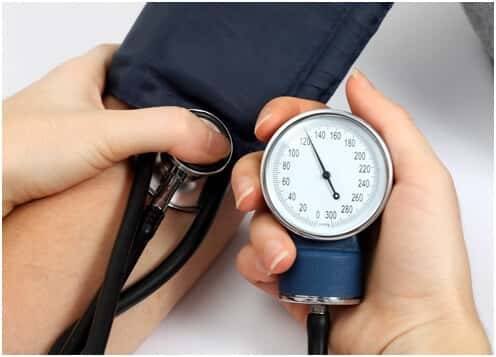
Low blood pressure, which is medically referred to as hypotension, is sometimes regarded as not as serious a condition as hypertension. Yet, as a clinical condition, it can seriously affect one’s daily activities as well as general quality of life.
What does low blood pressure mean?
According to Dr Aravind Badiger, Technical Director, BDR Pharmaceuticals, “Blood pressure refers to the pressure put on arterial walls by the flow of blood. A reading under 90/60 mmHg is considered low. While there are those who have naturally low readings without problems, there are others who suffer from health issues affecting their normal activities.”
“There are certain symptoms related to low blood pressure that interfere with an individual’s daily life. Some of these symptoms include dizziness, light-headedness, fainting (known as syncope), vision problems, tiredness, and lack of concentration. Some people feel weak and dizzy upon standing suddenly, which is called orthostatic hypotension. These symptoms may hamper one’s performance at work and decision-making, and also make them prone to accidents,” he added.
How it affects energy and productivity?
A frequent impact of hypotension is constant tiredness. With lower blood pressure, the body will have difficulty supplying necessary oxygen and nutrients to critical organs such as the brain and muscles. This will make a person suffer from low energy, which makes regular tasks seem physically tiring. Over a period of time, this fatigue can affect a person’s work efficiency, workouts, and even general motivation, thereby leading to inactivity.
Why people become more prone to falls and injuries?
Dr Aravind explains, “The chance of falling increases if there are cases of dizziness or fainting attacks. The sudden drop in blood pressure that occurs when one shifts position from sitting to standing is dangerous to patients, particularly the elderly. Aside from affecting their ability to perform activities independently, it could pose potential dangers in terms of injuries like broken bones.”
Common causes of low blood pressure
The causes of hypotension include dehydration, lack of mobility, malnutrition, cardiovascular problems or hormonal imbalances. Sometimes, it could indicate other medical conditions needing medical intervention.
How to control low blood pressure?
Staying hydrated, eating light foods regularly, and taking salt according to physicians’ prescriptions could be useful in keeping steady blood pressure levels. Such basic steps as slow rise from the sitting or lying position and use of support stockings could improve the situation.
When to see a doctor?
While minor dizziness is nothing serious, there are situations where a visit to a doctor would be required. Rapid drops in blood pressure levels, cases of frequent and regular fainting, as well as those accompanied by chest pains or breathing problems, would need professional attention. Sometimes when these symptoms appear, it not only disturbs one person’s daily routine, but it also has an overall health risk.
Disclaimer: The information provided in this article by Healthwire Media is for general informational and educational purposes only. It is not intended to replace professional medical advice, diagnosis, or treatment. While we strive to provide accurate and up-to-date information based on trusted sources such as WHO, Mayo Clinic, and government health guidelines, medical information can change over time. Always consult a qualified doctor or healthcare professional before making any health-related decisions, especially if you have any existing medical conditions or concerns. Do not ignore or delay seeking medical advice based on information you have read on this website. For more details, please read our full Medical Disclaimer page.
















Leave a comment