Home Health News Lifestyle Lifestyle Habits That Could Signal Heart Issues in Your 30s
Lifestyle

Lifestyle Habits That Could Signal Heart Issues in Your 30s

Share
Heart Failure
Heart Failure
Share

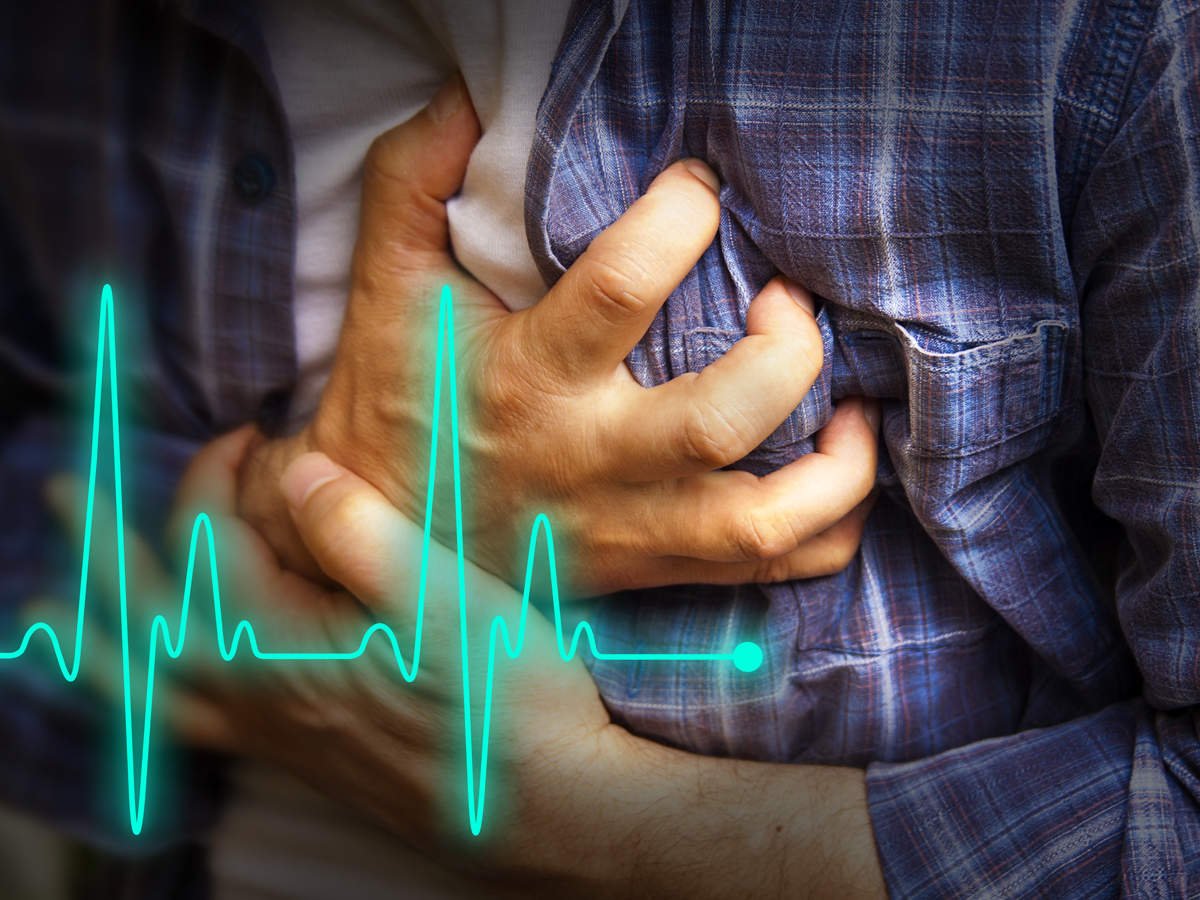
Heart disease is often perceived as an ailment of older age, but the truth is, it can strike at any time—including in your 30s. While genetics play a significant role, lifestyle habits can also have a profound impact on heart health. Recognizing early warning signs and making positive changes can help prevent serious heart issues down the line.

Here are some lifestyle habits that could signal heart issues in your 30s.

  1. Sedentary Lifestyle: In today’s digital age, sedentary behavior has become increasingly common, with many spending long hours sitting at desks or on the couch. A lack of regular physical activity not only contributes to weight gain but also weakens the heart muscle and increases the risk of cardiovascular disease. Aim for at least 150 minutes of moderate-intensity exercise per week, such as brisk walking, jogging, or cycling, to keep your heart healthy and strong.
  2. Poor Diet Choices: A diet high in processed foods, refined sugars, and unhealthy fats can wreak havoc on your heart health, even in your 30s. Consuming excessive amounts of sugary beverages, fast food, and snacks laden with trans fats can lead to obesity, high cholesterol, and hypertension—all risk factors for heart disease. Opt for a balanced diet rich in fruits, vegetables, whole grains, lean proteins, and heart-healthy fats to nourish your body and protect your heart.
  3. Smoking and Vaping: Smoking and vaping are well-known contributors to heart disease, yet many young adults continue to engage in these harmful habits. Nicotine and other toxic chemicals in tobacco and e-cigarettes can damage blood vessels, raise blood pressure, and increase the risk of heart attack and stroke. If you smoke or vape, seek support to quit as soon as possible and protect your heart and overall health.
  4. Excessive Alcohol Consumption: While moderate alcohol consumption may have some cardiovascular benefits, excessive drinking can have the opposite effect, especially on young hearts. Binge drinking and heavy alcohol consumption can raise blood pressure, increase triglyceride levels, and weaken heart muscles over time. Limit alcohol intake to no more than one drink per day for women and two drinks per day for men to reduce your risk of heart disease.
  5. Chronic Stress: Chronic stress is a silent killer that can take a toll on your heart health, particularly in your 30s when career pressures, financial responsibilities, and family obligations are at their peak. Prolonged stress triggers the release of hormones like cortisol and adrenaline, which can elevate blood pressure, raise cholesterol levels, and promote inflammation—all of which contribute to heart disease. Practice stress-reducing techniques such as mindfulness, yoga, deep breathing exercises, and time management to protect your heart from the harmful effects of stress.

Your 30s are a critical time to prioritize heart health and adopt healthy lifestyle habits that can prevent heart issues later in life. By staying active, eating a balanced diet, avoiding tobacco and excessive alcohol, managing stress, and prioritizing self-care, you can safeguard your heart and enjoy a long and healthy life ahead. Listen to your body, pay attention to warning signs, and seek medical attention if you experience any concerning symptoms related to heart health.


Share
Written by
Satata Karmakar

Satata Karmakar is a health journalist and Editor of HealthWireMedia.com, with over 12 years of experience in journalism, investigative reporting, newsroom editing and healthcare news. As Editor of HealthWire Media, Satata focuses on delivering accurate, evidence-based and accessible health journalism that helps readers make sense of complex medical and healthcare developments. She specialises in translating medical research, clinical findings, public-health updates and healthcare regulations into clear, engaging stories for healthcare professionals and the wider public. Her areas of coverage include public health, medical research, disease prevention, healthcare policy, health technology, medical education and regulatory developments. She places particular emphasis on verifying health claims through peer-reviewed research, official government notifications, expert interviews and credible institutional sources, including the National Medical Commission (NMC). She is committed to responsible health reporting that prioritises accuracy, context and transparency—especially when covering emerging research, medical breakthroughs, health risks and treatment-related information. Her editorial approach aims to make reliable health information understandable without oversimplifying science or overstating medical claims. Through her work, she seeks to strengthen public understanding of healthcare issues and contribute to informed conversations around health, medicine and policy. Outside the newsroom, Satata enjoys reading and painting, pursuits that continue to inspire her curiosity, creativity and storytelling.

Leave a comment

Leave a Reply

Your email address will not be published. Required fields are marked *

Don't Miss

Bundibugyo Ebola virus
International NewsVirus & DiseaseWHO

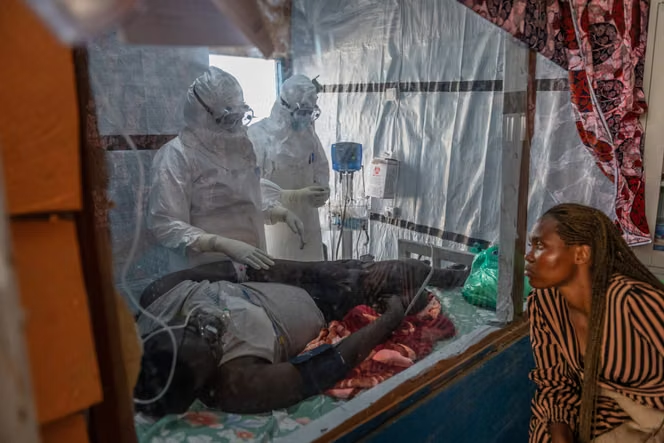
From Fever To Organ Failure: How The Bundibugyo Ebola Virus Affects The Body

The Bundibugyo Ebola virus outbreak has raised fresh global health concerns as infections continue to spread across parts of Central and East Africa....

WHO
Health TipsInternational NewsLatest NewsLifestyle & WellnessWHO

WHO Issues First Type 1 Diabetes Guidelines for Adults: 7 Things Patients Need to Know

More than 100 years after the discovery of insulin, millions of people living with type 1 diabetes continue to face challenges in accessing...

Breast Cancer
Health NewsOncology

Mammogram vs Ultrasound vs MRI: Which Breast Cancer Screening Test Is Right for You?

Breast cancer is one of the most common cancers affecting women worldwide, and early detection plays an important role in improving treatment outcomes....

Always Tired? It Could Be Anaemia!
Diet & NutritionHealth NewsHealth TipsLifestyleLifestyle & WellnessWellness

Anaemia in India: Why Iron Deficiency Remains a Concern and 7 Signs You Should Not Ignore

Feeling tired all the time, experiencing frequent dizziness or getting breathless after climbing a few stairs? While these symptoms are often dismissed as...

N95 Mask
Health TipsLatest NewsLifestyle & WellnessWellness

Does Wearing an N95 Mask Protect You From PM2.5 Pollution? Doctors Explain How To Choose And Wear It Correctly

As air pollution continues to affect several Indian cities during winter, wearing a mask has become an important precaution for people stepping outdoors....

Section title

Related Articles
Breaking NewsDiet & NutritionHealth TipsLifestyle

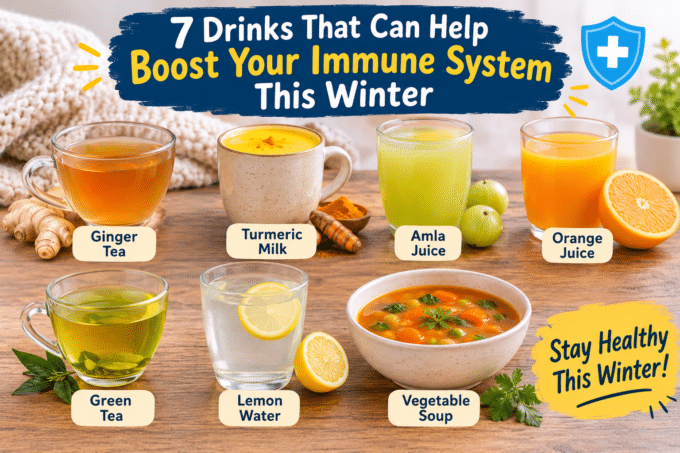
7 Drinks That Can Help Support Your Immune System This Winter

During winter, many people experience coughs, colds, sore throats and other common...

Health NewsLifestyleWellness

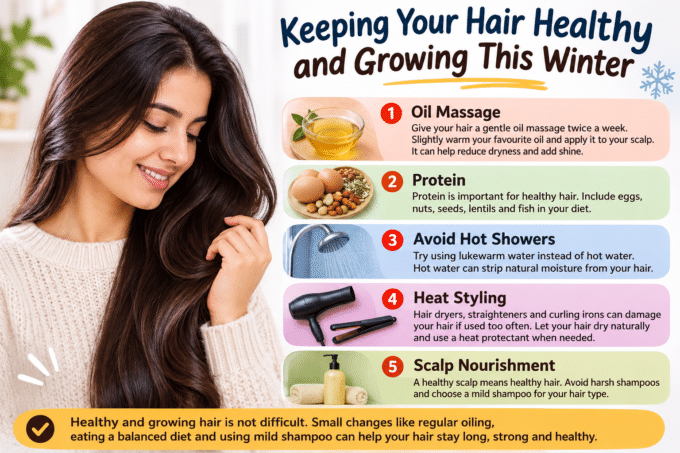
Keeping Your Hair Healthy and Growing This Winter

Cold weather and dry air can strip moisture from your hair, making...