

New Delhi, October 04: The World Health Organization (WHO) has launched a comprehensive global plan to address the escalating threat posed by dengue and other arboviruses. These mosquito-borne diseases have seen a significant surge in recent years, affecting millions of people worldwide and putting billions more at risk.
What Is Dengue Fever?
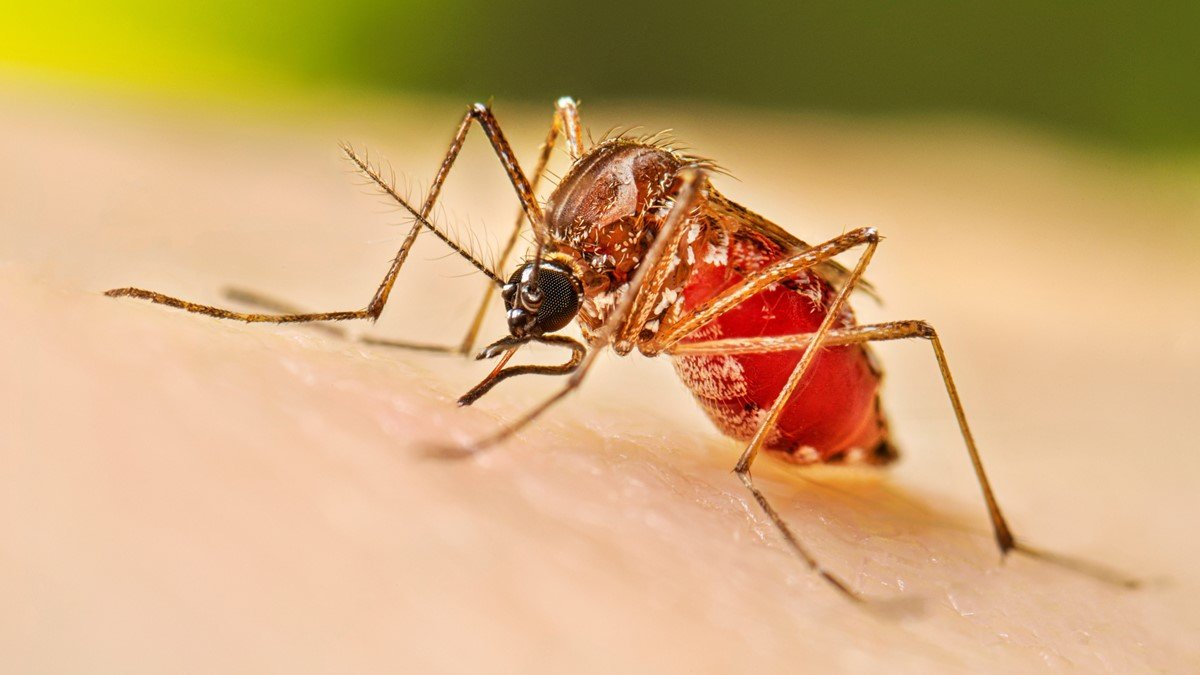
Dengue is a viral infection transmitted by the Aedes aegypti and Aedes albopictus mosquitoes. It is characterized by a sudden onset of high fever, severe headache, muscle and joint pain, nausea and vomiting, and a rash. In severe cases, dengue can lead to dengue hemorrhagic fever (DHF) and dengue shock syndrome (DSS), which can be life-threatening.
The Growing Burden of Arboviruses: WHO Explains
Arboviruses, transmitted by arthropods such as mosquitoes and ticks, have become a major public health concern. Dengue, chikungunya, Zika, and yellow fever are just a few examples of these diseases that have caused significant morbidity and mortality in various regions of the world.
The WHO’s Global Plan to Combat Dengue and Other Arboviruses outlines a series of strategies to address this growing threat, including:
1. Strengthening surveillance systems: Enhancing surveillance and early warning systems to detect and track outbreaks of arboviral diseases.
2. Improving vector control: Implementing effective measures to control mosquito populations, such as vector control interventions, personal protective measures, and environmental management.
3. Developing and deploying vaccines and therapeutics: Accelerating research and development for vaccines and therapeutics against arboviruses.
4. Strengthening health systems: Enhancing the capacity of health systems to diagnose, treat, and prevent arboviral diseases.
5. Promoting public awareness: Raising awareness among the public about the risks of arboviral diseases and the importance of prevention.
How Dangerous Are Arboviruses?
Arboviruses can have a devastating impact on individuals, communities, and healthcare systems. Dengue, for example, is estimated to affect over 400 million people worldwide each year, resulting in tens of thousands of deaths. Zika virus has been linked to birth defects, including microcephaly, in infants born to infected mothers.
The economic burden of arboviral diseases is also significant. Outbreaks can disrupt economic activities, tourism, and trade, leading to significant financial losses.
WHO’s Global Plan
Addressing the global threat of arboviruses requires a coordinated response from all stakeholders, including governments, healthcare providers, researchers, and communities. The WHO’s Global Plan emphasizes the importance of international cooperation to share knowledge, resources, and best practices.
What Are The Major Challenges For WHO?
The fight against arboviruses is not without its challenges. Climate change, urbanization, and increased travel are all factors that contribute to the spread of these diseases. However, there are also significant opportunities to make progress.
Advances in technology, such as the development of new diagnostic tools and vaccines, offer hope for the future. By working together, we can overcome the challenges posed by arboviruses and protect the health and well-being of people around the world.
The WHO’s Global Plan to Combat Dengue and Other Arboviruses is a crucial step in addressing this growing global health threat.













Leave a comment