

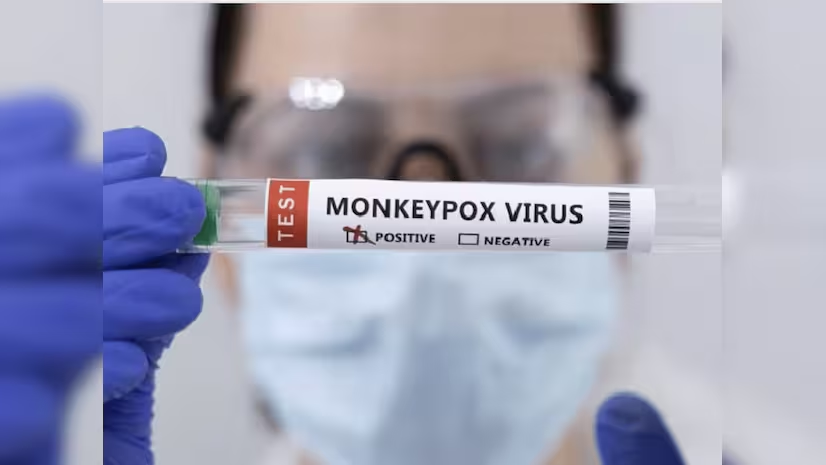
New Delhi, October 04: As cases of Mpox continue to rise globally, the World Health Organization (WHO) has taken a significant step in the fight against the disease by approving the first diagnostic test for emergency use. This development offers hope for improved detection, diagnosis, and ultimately, control of the outbreak.
On Thursday, the WHO authorised Abbott Laboratories’ mpox diagnostic test for emergency use. Which expected to significantly boost testing capacity in affected areas. In a statement, the UN health agency said, “The approval for emergency use of the Alinity m MPXV assay, manufactured by Abbott Molecular Inc., will be pivotal in expanding diagnostic capacity in countries facing mpox outbreaks, where the need for quick and accurate testing has risen sharply.”
Why Early Mpox Diagnosis Is Important?
Early diagnosis of Mpox is crucial for effective management and prevention of further transmission. Accurate and timely testing allows for the identification of infected individuals, isolation, and contact tracing to prevent the spread of the virus.
The Newly Approved Test
The WHO’s approval of the diagnostic test represents a major milestone in the global response to Mpox. The test is designed to detect the presence of Mpox virus in clinical samples such as blood, saliva, and lesions.
How does the Test Work?
The test uses [technology] to detect the genetic material of the Mpox virus. This allows for rapid and accurate diagnosis, even in resource-limited settings.
Benefits of the New Mpox Test?
Improved Detection: The new test offers improved sensitivity and specificity, making it more reliable for detecting monkeypox infections.
Rapid Results: The test can provide results within [timeframe], allowing for timely isolation and treatment of infected individuals.
Accessibility: The test designed to be easy to use and can deployed in various healthcare settings, including rural and remote areas.
Addressing the Global Mpox Outbreak
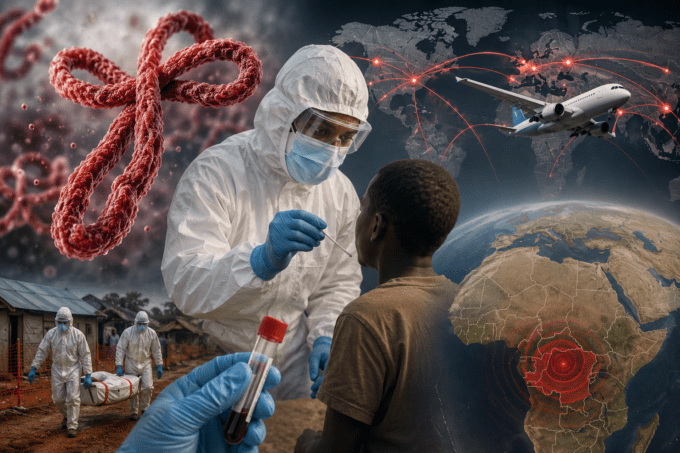
The WHO’s approval of the diagnostic test is a crucial step in addressing the global monkeypox outbreak. By improving the ability to detect and diagnose cases, healthcare providers can take more effective measures to prevent the spread of the virus.
In addition to the new diagnostic test, other strategies implemented to combat Mpox, including:
Vaccination: The development and deployment of vaccines are essential for long-term control of the outbreak.
Public Health Measures: Implementing public health measures, such as contact tracing, isolation, and quarantine, to prevent the spread of the virus.
International Cooperation: Strengthening international cooperation to share information, resources, and best practices.
While the approval of the diagnostic test is a significant milestone, the fight against monkeypox is far from over. Continue research and development needed to develop effective vaccines and treatments. Additionally, global cooperation and adherence to public health measures are essential to prevent future outbreaks.
Read Also – WHO Launches Global Plan To Combat Dengue, Other Viruses: What Is The Plan?
The WHO had previously declared monkeypox a global health concern on August 14, urging people to take precautionary measures. Although symptoms of monkeypox can vary from mild to severe, certain groups, including children, pregnant individuals, and those with weakened immune systems (such as people living with uncontrolled HIV), are at higher risk of severe illness and complications. In some cases, mpox can be fatal.














Leave a comment