

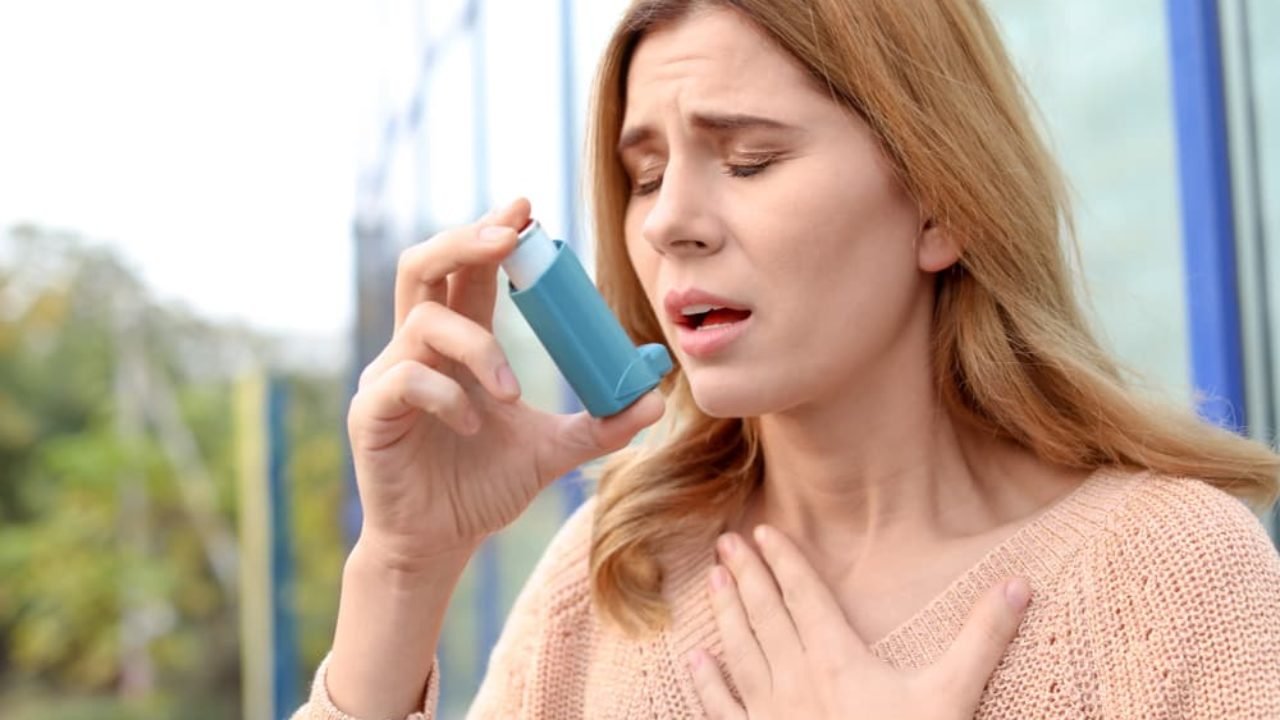
New Delhi, 25 November 2024: Air pollution has become a growing concern, especially in cities, and it significantly impacts public health, particularly for those dealing with asthma. How does air pollution influence asthma? It can worsen respiratory issues, cause asthma attacks, and result in long-term health problems. Why should we care? Poor air quality is linked to an increase in asthma cases and more severe symptoms. Raising awareness about this issue is vital; understanding the connection between air pollution and asthma encourages individuals to take preventive actions. What can we do? By recognizing symptoms and advocating for cleaner air, we can lessen the negative effects of pollution on our lungs.
The Science Behind Asthma and Air Pollution
Asthma is a long-term respiratory issue marked by swollen and constricted airways, making it hard to breathe. Polluted air contains harmful agents like particulate matter, nitrogen dioxide, and sulfur dioxide, all of which can irritate the lungs. Research indicates that being exposed to these pollutants can lead to more frequent and severe asthma attacks. Those who already have respiratory conditions are especially at risk because their airways are more sensitive to irritants.
Common Pollutants That Trigger Asthma
There are numerous pollutants known to provoke asthma symptoms. Particulate matter (PM2.5 and PM10) is particularly alarming since it can infiltrate deep into the lungs and even into the bloodstream. Nitrogen dioxide, mostly coming from vehicles and factories, can make respiratory conditions worse. Moreover, ground-level ozone, produced when sunlight interacts with pollutants, can intensify asthma symptoms. For those managing asthma, understanding these pollutants is crucial.
The Role of Weather in Air Quality
Weather impacts air quality significantly, which in turn affects asthma management. For example, hot and humid days can elevate ozone levels, while chilly air might increase particulate matter concentrations. Additionally, pollen counts rise in warmer months, making asthma management more complex for those with allergies. By keeping an eye on weather conditions and air quality reports, individuals can better plan their activities to limit exposure to triggers.
Challenges of Urban Living for Asthma Sufferers
Living in urban areas poses particular challenges for those with asthma due to heightened pollution levels. Issues like traffic jams, industrial emissions, and high population density contribute to poor air quality. Research suggests that children in cities are more likely to develop asthma and experience worse symptoms than those living in rural areas. This situation underscores the necessity for urban planning that emphasizes clean air and more green spaces.
Preventive Steps for Asthma Patients
Eliminating air pollution completely might be unrealistic, but asthma patients can take several steps to reduce its effects. Staying indoors on days with poor air quality, utilizing air purifiers, and keeping windows shut can lessen exposure to harmful pollutants. Moreover, it’s essential for individuals to collaborate with healthcare professionals to create an asthma action plan tailored to their unique triggers and symptoms.
Advocating for Cleaner Air
Fighting for cleaner air is a vital part of addressing asthma. Community efforts that aim to cut emissions, promote public transit, and increase green spaces can greatly enhance air quality. People can also support laws that regulate pollution from industries and encourage renewable energy use. By spreading awareness and getting involved in advocacy, everyone can help create a healthier environment for those living with asthma.
As air pollution remains a significant risk to respiratory health, understanding its impact on asthma is more crucial than ever. By identifying the pollutants that cause symptoms, monitoring weather patterns, and advocating for clean air, individuals can take steps to manage their asthma better. Combating air pollution is not just about improving air quality; it’s about securing a healthier future for everyone, especially those affected by asthma. Together, we can strive for a world where clean air is an everyday reality for all.

















Leave a comment