

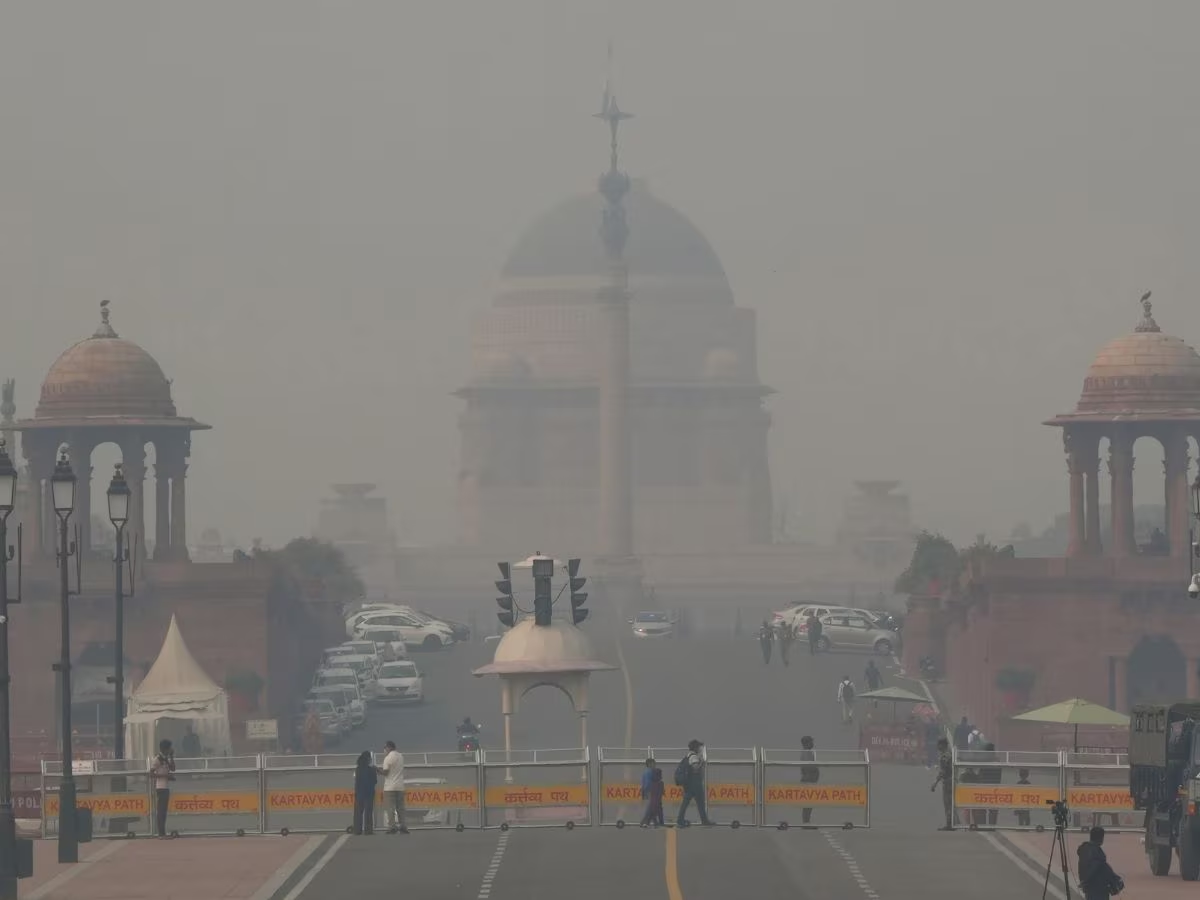
New Delhi, 03 December 2024: Air pollution is a growing global health crisis, and its detrimental effects extend far beyond respiratory issues.
A recent study has revealed that maternal exposure to fine particulate matter (PM2.5) during pregnancy is associated with adverse birth outcomes. Including low birth weight, preterm birth, and developmental complications in newborns. These findings underscore the urgent need for environmental interventions and increased awareness to safeguard maternal and infant health.
What Is PM2.5 and Why Is It Dangerous?
PM2.5 refers to fine particulate matter with a diameter of 2.5 microns or less. Small enough to penetrate deep into the lungs and enter the bloodstream. These particles are primarily emitted from vehicle exhaust, industrial processes, wildfires, and residential heating.
PM2.5 contains harmful substances such as heavy metals, organic chemicals, and allergens. Prolonged exposure has been linked to chronic respiratory diseases, cardiovascular issues, and now, as studies suggest, complications during pregnancy.
The Study: Linking PM2.5 to Birth Outcomes
The research, conducted across multiple regions with varying air quality levels, analyzed data from pregnant women exposed to PM2.5 during different trimesters. Key findings include:
Low Birth Weight: Babies born to mothers with high PM2.5 exposure were significantly more likely to have a low birth weight, increasing their risk of infections and developmental delays.
Preterm Birth: Exposure to PM2.5 during early and mid-pregnancy heightened the likelihood of preterm deliveries, which carry risks of underdeveloped organs and long-term health issues.
Developmental Abnormalities: The study also noted an increased prevalence of neural tube defects and other congenital abnormalities linked to high pollution levels.
How Does PM2.5 Impact Pregnancy?
The adverse effects of PM2.5 on maternal and fetal health can be attributed to several biological mechanisms:
Inflammation and Oxidative Stress: PM2.5 exposure induces systemic inflammation and oxidative stress, potentially disrupting normal fetal development.
Placental Damage: Pollutants in PM2.5 can damage the placenta, impairing its ability to provide oxygen and nutrients to the fetus.
Hormonal Imbalances: Exposure may alter maternal hormone levels, affecting pregnancy progression and fetal growth.
Global Hotspots for PM2.5 Pollution
Regions with high levels of industrialization and urbanization, such as South Asia, Southeast Asia, and parts of Africa, have alarming PM2.5 levels. Pregnant women in these areas face increased risks due to sustained exposure to polluted air.
In India, for instance, major cities like Delhi and Kolkata report average PM2.5 levels far exceeding World Health Organization (WHO) guidelines. The implications for maternal and child health in these regions are profound.
Steps Pregnant Women Can Take to Minimize Risks
While systemic changes to reduce pollution are essential, individuals can adopt measures to minimize personal exposure:
Stay Indoors During Peak Pollution Hours: Avoid outdoor activities early in the morning or late at night when Air pollution levels are typically higher.
Use Air Purifiers: Investing in a good-quality air purifier at home can significantly reduce indoor PM2.5 levels.
Wear Protective Masks: N95 or equivalent masks can filter out a significant amount of airborne particulates.
Choose Green Spaces: Spend time in parks or areas with dense vegetation, which can help reduce exposure to pollutants.
Monitor Air Quality: Use apps or websites to check daily air quality and plan activities accordingly.
Policy Interventions to Address the Problem
The study’s findings call for urgent policy-level action to mitigate the impact of PM2.5 on maternal and child health. Recommendations include:
Stricter Emission Controls: Governments must enforce stringent regulations on industries and vehicles to curb PM2.5 emissions.
Improved Urban Planning: Cities need better green infrastructure to absorb pollutants and improve air quality.
Public Awareness Campaigns: Educating the public about the risks of PM2.5 exposure during pregnancy can encourage precautionary measures.
Enhanced Healthcare Services: Pregnant women in high-risk areas should receive targeted healthcare services, including regular monitoring and nutritional support.
The Broader Implications
The Air pollution impact of PM2.5 exposure during pregnancy is not just a maternal health issue but a public health concern with long-term consequences. Poor birth outcomes can lead to higher infant mortality rates, increased healthcare costs, and lower productivity in adulthood due to developmental delays.
Read Also – Maternal Exposure to PM2.5 May Lead to Adverse Birth Outcomes: Study Highlights Serious Concerns
Tackling PM2.5 pollution requires a multi-faceted approach:
Global Cooperation: As air pollution transcends borders, international collaboration is crucial to reduce emissions and share best practices.
Technological Innovations: Investment in clean energy, electric vehicles, and advanced filtration systems can significantly cut pollution levels.
Community Involvement: Grassroots movements and local initiatives can play a vital role in advocating for cleaner air.
















Leave a comment