Home Latest News Delhi Pollution: Is Breathing Under AQI Over 300 a Death Sentence for Your Health?
Latest NewsLifestyle & Wellness

Delhi Pollution: Is Breathing Under AQI Over 300 a Death Sentence for Your Health?

Share
Delhi Air Pollution
Delhi Air Pollution
Share

Air pollution in Delhi has turned into a major concern, especially during festivals like Diwali. With the air quality index (AQI) surpassing 300, it’s crucial for residents to be on alert. The festive celebrations combined with the burning of crops in nearby states make the situation even worse, leading to serious health risks. Grasping the effects of air pollution is vital to protect the health of the public.

Delhi Pollution: The Severity of Air Quality Index (AQI)

The AQI is an important measure of air quality, showing how many pollutants are in the air. An AQI over 300 points to dangerous conditions that can result in severe health problems. With Delhi’s AQI reaching concerning levels, health officials are urging caution. As we head into winter, the situation is set to deteriorate further, making it essential for everyone to take action to protect themselves.

Health Risks Associated with Delhi Pollution

Air pollution can cause immediate health issues, like breathing problems, irritation in the eyes, and lung difficulties. Those exposed to high pollution levels might find themselves coughing, feeling throat discomfort, or having trouble breathing. The risk spikes during festivals when firecracker smoke worsens air quality.

Long-term Health Consequences

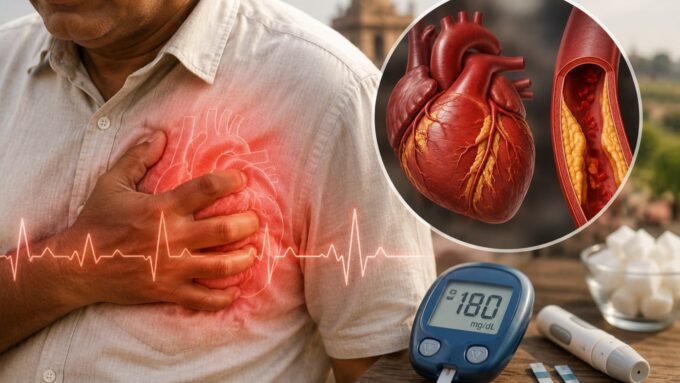
The long-term effects of air pollution are equally alarming. Continuous exposure can lead to serious issues such as strokes, ischemic heart disease, chronic obstructive pulmonary disease (COPD), lung cancer, pneumonia, and even cataracts. These conditions not only jeopardize personal health but also put a significant strain on the healthcare system.

Who Is At Risk of Delhi Pollution?

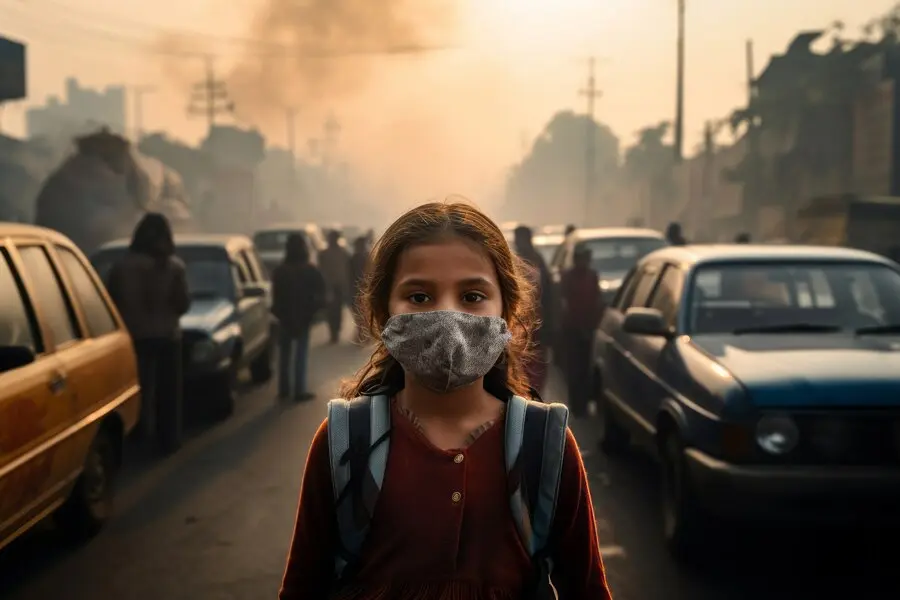
Children and seniors are especially vulnerable to the harmful effects of air pollution. Young ones may develop respiratory illnesses, while older adults are at a higher risk for heart and lung diseases. This vulnerability underscores the need for immediate protective measures during periods of high pollution.

Pregnant Women

Pregnant women also face risks, as polluted air can adversely affect fetal growth. Research shows that exposure to air pollution can result in low birth weight or premature deliveries. Protecting expectant mothers from pollution is crucial for ensuring the well-being of both mothers and their babies.

Delhi Pollution: How To Stay Safe?

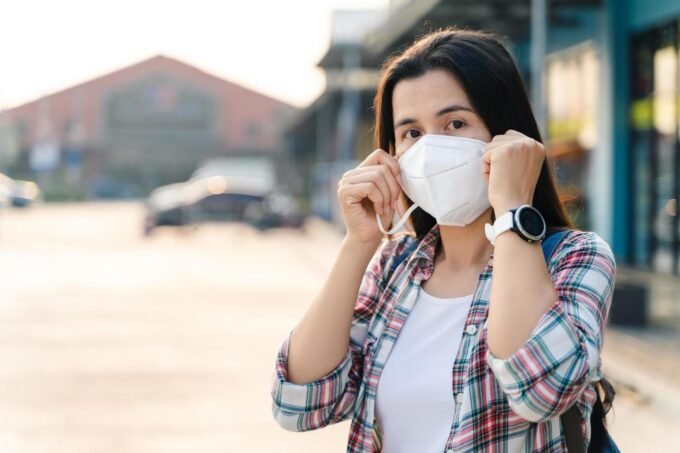
While it may not be possible for individuals to eliminate pollution altogether, there are steps we can take to minimize our exposure. Staying indoors on days with high AQI, using air purifiers, and wearing masks outdoors can help significantly. Reducing outdoor activities during peak pollution times is another effective way to lower health risks.

Raising awareness within the community is essential in the fight against air pollution. Residents can unite to advocate for cleaner air policies, support initiatives aimed at cutting emissions, and participate in local clean-up efforts. When we come together, individual actions can have a more profound impact, creating a healthier environment.

The air pollution crisis in Delhi requires our immediate attention, especially with Diwali approaching and the AQI already alarmingly high. The health repercussions are significant, especially for those most at risk. Although we can’t control pollution entirely, taking steps to look after ourselves and our loved ones is critical. By staying informed, following preventive strategies, and getting involved in our communities, we can strive for a cleaner and healthier future.


Share
Written by
Satata Karmakar

Satata Karmakar is a health journalist and Editor of HealthWireMedia.com, with over 12 years of experience in journalism, investigative reporting, newsroom editing and healthcare news. As Editor of HealthWire Media, Satata focuses on delivering accurate, evidence-based and accessible health journalism that helps readers make sense of complex medical and healthcare developments. She specialises in translating medical research, clinical findings, public-health updates and healthcare regulations into clear, engaging stories for healthcare professionals and the wider public. Her areas of coverage include public health, medical research, disease prevention, healthcare policy, health technology, medical education and regulatory developments. She places particular emphasis on verifying health claims through peer-reviewed research, official government notifications, expert interviews and credible institutional sources, including the National Medical Commission (NMC). She is committed to responsible health reporting that prioritises accuracy, context and transparency—especially when covering emerging research, medical breakthroughs, health risks and treatment-related information. Her editorial approach aims to make reliable health information understandable without oversimplifying science or overstating medical claims. Through her work, she seeks to strengthen public understanding of healthcare issues and contribute to informed conversations around health, medicine and policy. Outside the newsroom, Satata enjoys reading and painting, pursuits that continue to inspire her curiosity, creativity and storytelling.

Leave a comment

Leave a Reply

Your email address will not be published. Required fields are marked *

Don't Miss

Bundibugyo Ebola virus
International NewsVirus & DiseaseWHO

From Fever To Organ Failure: How The Bundibugyo Ebola Virus Affects The Body

The Bundibugyo Ebola virus outbreak has raised fresh global health concerns as infections continue to spread across parts of Central and East Africa....

WHO
Health TipsInternational NewsLatest NewsLifestyle & WellnessWHO

WHO Issues First Type 1 Diabetes Guidelines for Adults: 7 Things Patients Need to Know

More than 100 years after the discovery of insulin, millions of people living with type 1 diabetes continue to face challenges in accessing...

Breast Cancer
Health NewsOncology

Mammogram vs Ultrasound vs MRI: Which Breast Cancer Screening Test Is Right for You?

Breast cancer is one of the most common cancers affecting women worldwide, and early detection plays an important role in improving treatment outcomes....

Always Tired? It Could Be Anaemia!
Diet & NutritionHealth NewsHealth TipsLifestyleLifestyle & WellnessWellness

Anaemia in India: Why Iron Deficiency Remains a Concern and 7 Signs You Should Not Ignore

Feeling tired all the time, experiencing frequent dizziness or getting breathless after climbing a few stairs? While these symptoms are often dismissed as...

N95 Mask
Health TipsLatest NewsLifestyle & WellnessWellness

Does Wearing an N95 Mask Protect You From PM2.5 Pollution? Doctors Explain How To Choose And Wear It Correctly

As air pollution continues to affect several Indian cities during winter, wearing a mask has become an important precaution for people stepping outdoors....

Section title

Related Articles