

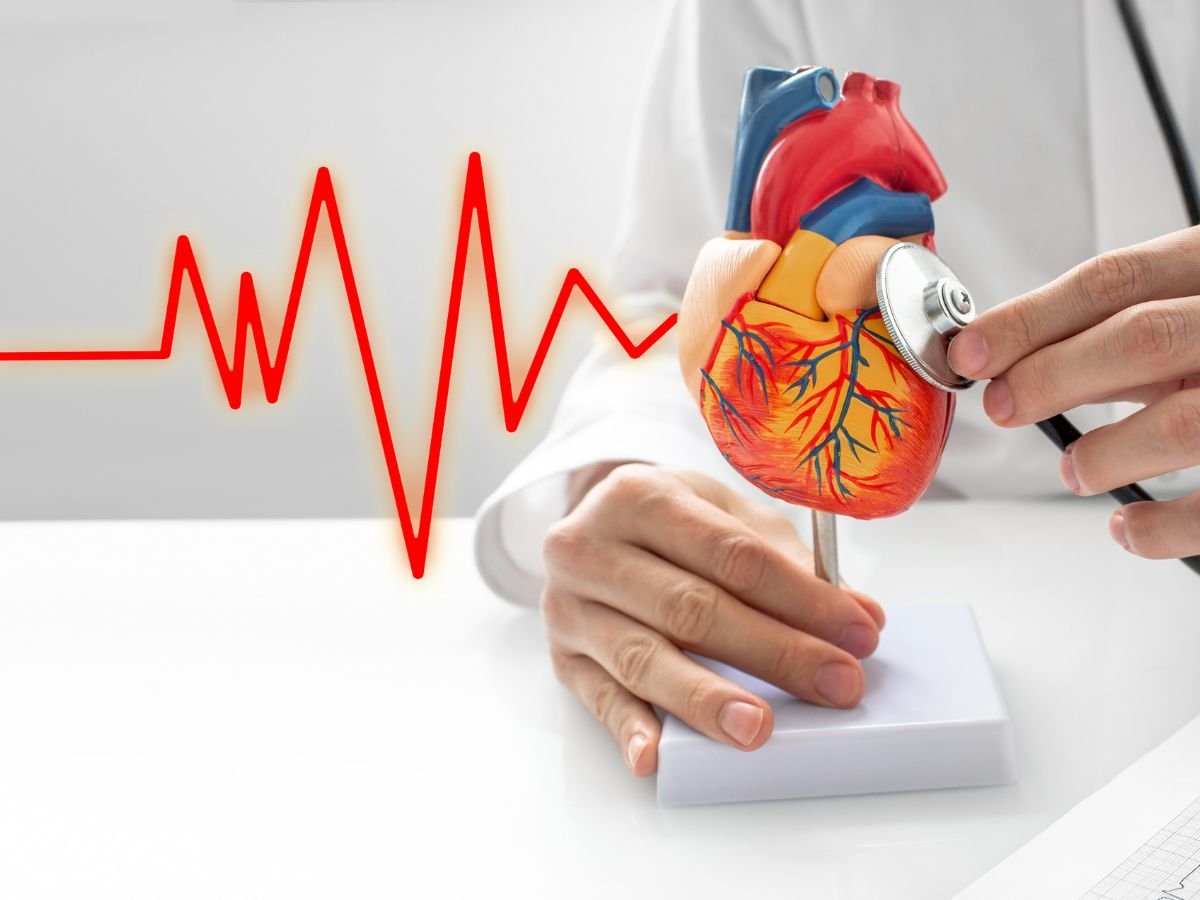
This was emphasized recently by one study which pointed out the importance played by patient education in management of various cardiovascular disorders. Researchers looked at the information needs of more than 1,600 heart patients from various geographic areas, and the results provided important new insights into the difficulties faced by people with heart-related conditions.
Millions of people worldwide continue to suffer from cardiovascular diseases. Following a cardiac event (heart attack, for example), patients frequently have to navigate a complicated web of symptoms, prescription drugs, and lifestyle changes. Our multinational research team set out to determine the unique information requirements of heart patients worldwide, realizing the critical role that patient education plays in this process.
Our research employed the validated Information Needs in Cardiac Rehabilitation (INCR-S) scale in identifying key information requirements of cardiac and cardiac patient. The scale administered in diverse countries across all WHO regions and different socio-economic levels provided comprehensive information needs understanding for the patients.
Requirements of heart patients:
Our research revealed that patients are highly interested in learning about a variety of health-related topics. They wish to learn about cardiac events, eat a heart-healthy diet, take care of their medications, identify symptoms, reduce risk factors, and participate in cardiac rehabilitation. This emphasizes how comprehensive patient education is necessary to address the various needs of heart patients.
Research has repeatedly shown that cardiac rehabilitation education has several benefits. These benefits are including but not limited to lower hospital readmission and mortality rates, improved medication adherence, better management of risk factors and increased patient comprehension about their condition.Patients’ overall well-being can be enhanced and more informed health decisions can be made when these informational needs are fully met.
Our research also revealed notable differences in information needs and knowledge sufficiency (the degree to which people believe they already know enough about each topic) between regions and income levels. In lower-middle income countries, patients stated they wanted to know more such as on how to manage medications and symptoms as well as benefits of exercising, with higher-income countries being more likely to claim they know enough information about such matters. These distinctions underscore the necessity to alter educational interventions according to specific requirements and environments of various populations.
The outcome of this particular research is very crucial when it comes to the development of educational strategies and interventions for managing cardiovascular illness by health experts. Giving education to patients a highest priority and addressing different information demands of cardiac patients can significantly enhance patient outcomes leading to higher quality care for people suffering from cardiovascular conditions.















Leave a comment