

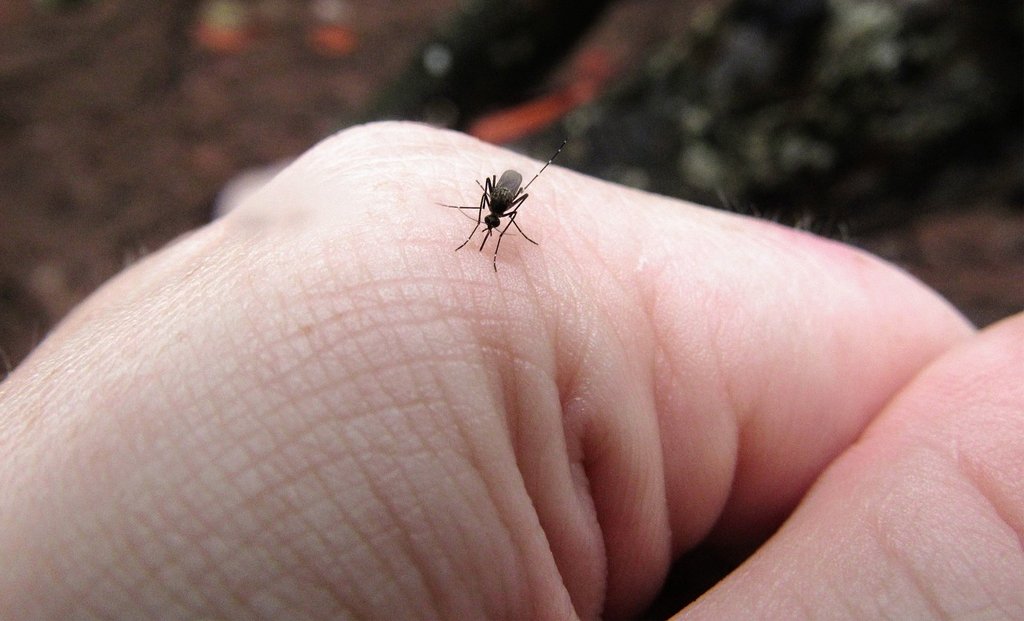
Kala Azar also known as visceral leishmaniasis, continues to pose a serious threat to public health despite advancements in modern treatment. The liver, spleen, and bone marrow are the main organs affected by this infectious disease, which is brought on by the protozoan parasite Leishmania. If treatment is not received, the condition can become fatal. While progress has been made in the diagnosis, treatment, and prevention of Kala Azar, several challenges persist, alongside opportunities for improvement and innovation.
Let’s look at the challenges and opportunities linked with Kala Azar in the modern age:
Challenges:
1. Drug Resistance: The development of Leishmania strains that are resistant to drugs presents a major obstacle to the effective treatment of Kala Azar. Resistance to widely prescribed antileishmanial medications, such as sodium stibogluconate and miltefosine, limits therapeutic alternatives and complicates treatment regimens.
2. Co-Infections and Comorbidities: HIV/AIDS and malnutrition are two common co-infections and comorbidities that patients with Kala Azar frequently have. These conditions worsen the disease and make treatment outcomes more difficult.
3. Vector Control: Since the disease is spread by the bite of an infected sandfly, vector control methods are essential for the prevention of the illness. However, challenges such as insecticide resistance, environmental factors, and inadequate funding hinder effective vector control programs in endemic areas.
4. Socioeconomic Factors: In endemic areas, poverty, displacement, and illiteracy all play a role in Kala Azar’s continued existence. Socioeconomic gaps prolong the cycle of illness and transmission by limiting access to resources for disease control, healthcare services, and preventive measures.
5. Limited Access to Healthcare: In regions where Kala Azar is endemic, access to healthcare services, including diagnostic tools and treatments, may be limited. The spread of the illness and higher rates of morbidity and mortality are caused by this, which also makes it more difficult to detect early and take appropriate action.
Opportunities:
- Development of Novel Therapeutics: Research initiatives aimed at developing novel antileishmanial medications and therapeutic approaches have the potential to overcome drug resistance and enhance Kala Azar patients’ therapeutic results. Targeted therapies that address specific mechanisms of Leishmania infection offer potential alternatives to conventional treatments.
- Integrated Disease Management: In endemic locations, resources can be optimized and healthcare delivery can be enhanced by addressing Kala Azar alongside other neglected tropical diseases like dengue fever and malaria. Collaborative efforts involving governments, non-governmental organizations, and international partners are essential for coordinated disease management and control.
- Community Engagement and Education: Health promotion and control initiatives can be strengthened by empowering communities through education, public awareness campaigns, and community-based interventions. Involving local stakeholders in initiatives to lessen the impact and spread of Kala Azar promotes sustainability and ownership, particularly among community leaders and healthcare professionals.
- Research and Surveillance: Continued investment in research and surveillance is critical for monitoring disease trends, identifying emerging challenges, and evaluating the effectiveness of interventions. Long-term surveillance systems coupled with research initiatives contribute to evidence-based decision-making and targeted interventions for Kala Azar control.
- Better Diagnostic Tools: New developments in diagnostic technology, including molecular assays and rapid diagnostic procedures, present chances for a quicker and more precise identification of Kala Azar. Early diagnosis and treatment initiation can be made easier by point-of-care diagnostics that are inexpensive, simple to use, and appropriate for environments with limited resources.
In conclusion, a thorough and interdisciplinary strategy that includes community involvement, research, healthcare delivery, and advocacy is needed to address the issues surrounding Kala Azar in the modern era. In summary, tackling the issues surrounding Kala Azar in the contemporary day necessitates an all-encompassing and interdisciplinary strategy that includes community involvement, research, healthcare delivery, and advocacy. It is possible to move closer to the objective of removing Kala Azar as a hazard to public health by taking advantage of opportunities for innovation, collaboration, and investment.
















Leave a comment