

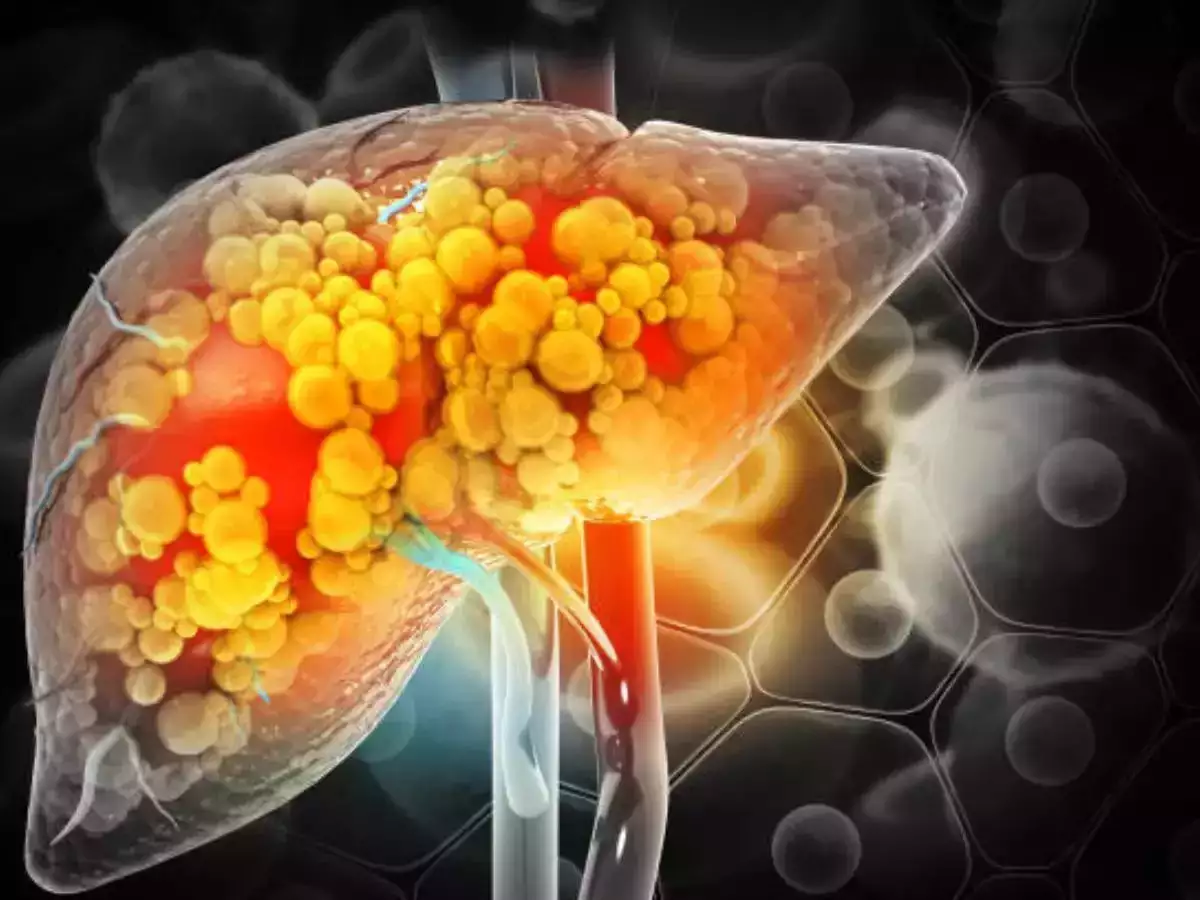
New Delhi, 21 November, 2025: India is facing a silent but rapidly growing health crisis — one that is spreading faster than many infectious diseases and affecting people across all ages and backgrounds. Diabetes, hypertension, and fatty liver disease have reached epidemic proportions, yet millions remain undiagnosed. These conditions progress quietly, often without clear symptoms, until they trigger serious complications such as heart attacks, kidney failure, liver damage, or stroke.
This hidden epidemic is driven by modern lifestyles, changing diets, high stress, and a lack of awareness. Understanding why these conditions are emerging so quickly — and what people can do about them — is critical for the nation’s long-term health.
The Triple Threat: Why These Conditions Are Linked
Diabetes, high blood pressure, and fatty liver disease rarely exist alone. They are interconnected metabolic disorders that share common triggers:
- Excess body fat, especially around the abdomen
- Sedentary lifestyles
- High-sugar and high-fat diets
- Chronic stress
- Poor sleep
- Genetic predisposition
When these factors combine, they disrupt the body’s metabolism, blood sugar regulation, and fat processing — setting the stage for widespread disease.
This is why doctors often describe them as parts of the same “metabolic triangle.”
1. Silent Diabetes: The Disease Most People Don’t Know They Have
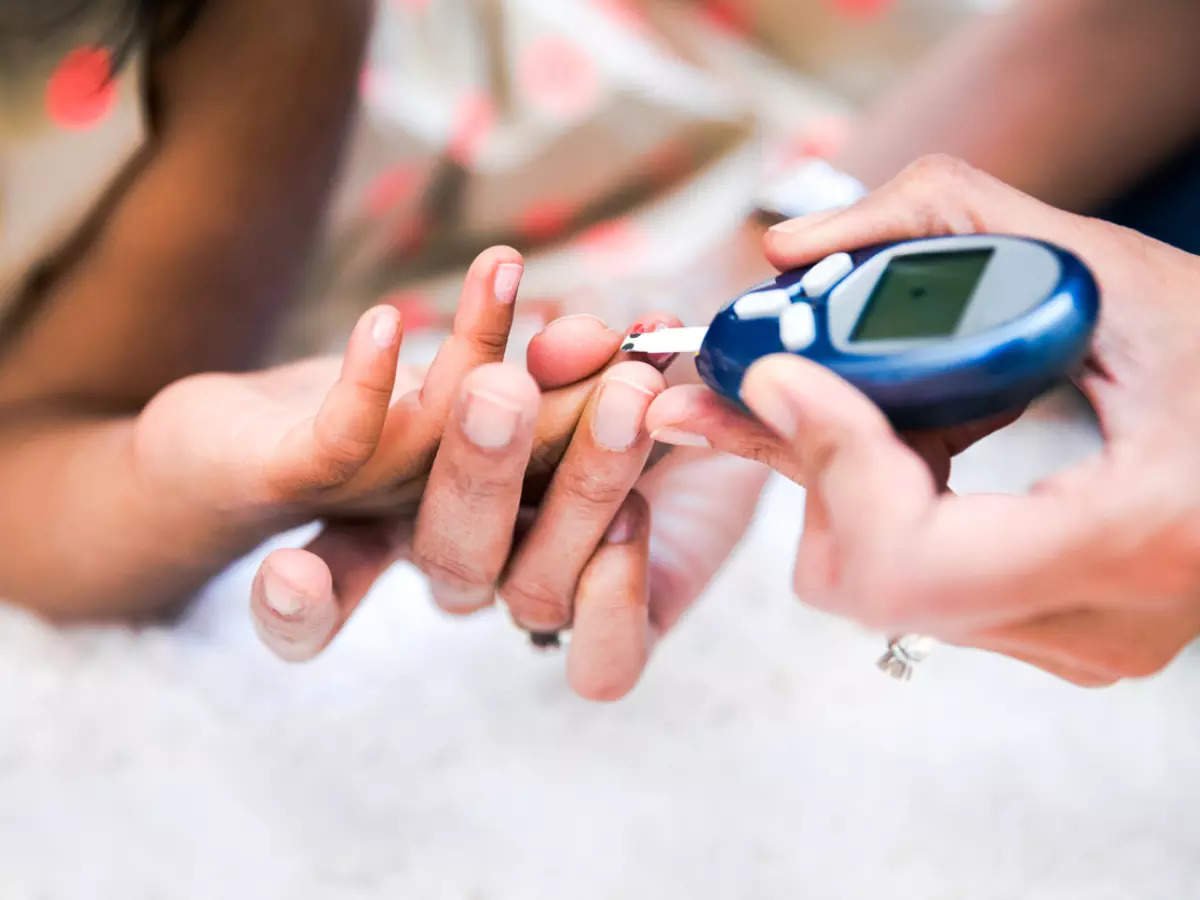
A large number of Indians unknowingly live with diabetes or prediabetes. The condition often begins with mild symptoms — fatigue, increased thirst, frequent urination — that many people ignore or mistake for stress or aging.
Why diabetes often goes unnoticed:
- Early symptoms are subtle
- Routine screening is uncommon
- Many assume only older people get diabetes
- Cultural eating habits contribute to high sugar intake
But while diabetes progresses silently, its damage is loud and dangerous.
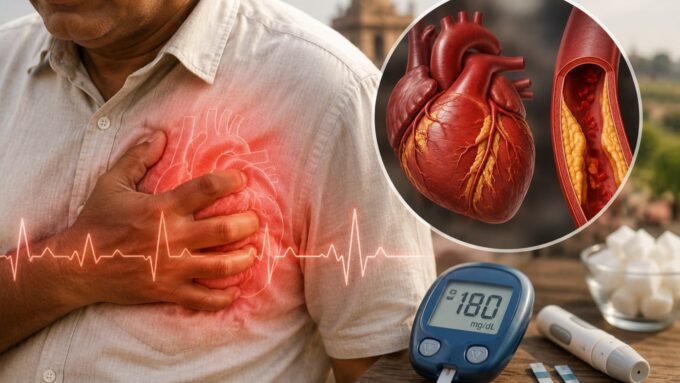
Chronic high blood sugar harms the heart, kidneys, nerves, eyes, and blood vessels. Many heart attacks in India occur in people who never realized they were diabetic until after the event.
2. Hypertension: The Quiet Killer
High blood pressure has earned the nickname “the silent killer” because most people feel perfectly normal even when their readings are dangerously high. In India, stress-filled lifestyles, too much salt, long work hours, and poor sleep have contributed to soaring rates of hypertension.
Why hypertension is so dangerous:
- It damages blood vessels over time
- It increases the risk of heart attack and stroke
- It strains the kidneys and leads to kidney failure
- It triggers vision problems and cognitive decline
Many people only discover they have high blood pressure after a major health crisis, making regular monitoring essential.
3. Fatty Liver: The Fastest-Growing Lifestyle Disease
Fatty liver is now one of India’s most common metabolic diseases — and it can affect children, young adults, and middle-aged individuals alike. Most cases are related not to alcohol, but to lifestyle.
What causes fatty liver in most people:
- Excess sugar intake
- High-carb diets
- Sedentary habits
- Obesity or even mild weight gain
- Insulin resistance
Left untreated, fatty liver can progress to inflammation, liver fibrosis, cirrhosis, and even liver cancer. What makes it more alarming is that most people have no symptoms at all.
Why This Epidemic Is Growing So Quickly
Several social and lifestyle changes have fueled this metabolic crisis. These include:
1. Urbanization and Sedentary Lifestyles
Desk jobs, long commutes, and reduced physical activity have made movement optional instead of routine.
2. High-Calorie, Low-Nutrient Diets
Fast food, sugary drinks, packaged snacks, and oversized portions are now part of daily life for millions.
3. Chronic Stress and Poor Sleep
Stress hormones raise blood sugar and blood pressure and increase abdominal fat.
4. Lack of Preventive Health Check-Ups
Many individuals avoid routine screenings, allowing these diseases to progress silently.
5. Cultural Norms Around Food
Heavy meals, deep-fried snacks, sweets, and festive overeating play a major role in the rise of metabolic disorders.
What India Must Do to Reverse the Trend
While the numbers are alarming, the solutions are surprisingly simple — and mostly lifestyle-based.
1. Regular Health Screening
A yearly check-up should include:
- Fasting blood sugar
- HbA1c
- Blood pressure measurement
- Liver function tests
- Lipid profile
- Waist circumference
Early detection is the most powerful tool in preventing complications.
2. Diet Changes That Protect the Body
- Reduce added sugar
- Choose whole grains over refined carbs
- Eat more fruits, vegetables, legumes, and nuts
- Cut down on fried foods and processed snacks
- Limit salt intake
Small, realistic changes lead to major long-term improvements.
3. Daily Physical Activity
At least 30–45 minutes of walking, yoga, cycling, swimming, or strength training can dramatically lower risk.
4. Stress and Sleep Management
Chronic stress and insufficient sleep are major metabolic disruptors. Practices such as meditation, deep breathing, and consistent sleep routines can help.
5. Public Awareness and Education
Communities, workplaces, and schools must promote preventive health habits and early screening.
A Wake-Up Call for a Healthier Future
Diabetes, hypertension, and fatty liver disease represent India’s hidden health epidemic. These conditions are widespread, silent, and deeply interconnected — but they are also preventable and treatable when caught early.
By embracing healthier habits, increasing awareness, and prioritizing regular health checks, India can reverse this growing crisis and protect millions of lives.










Leave a comment