

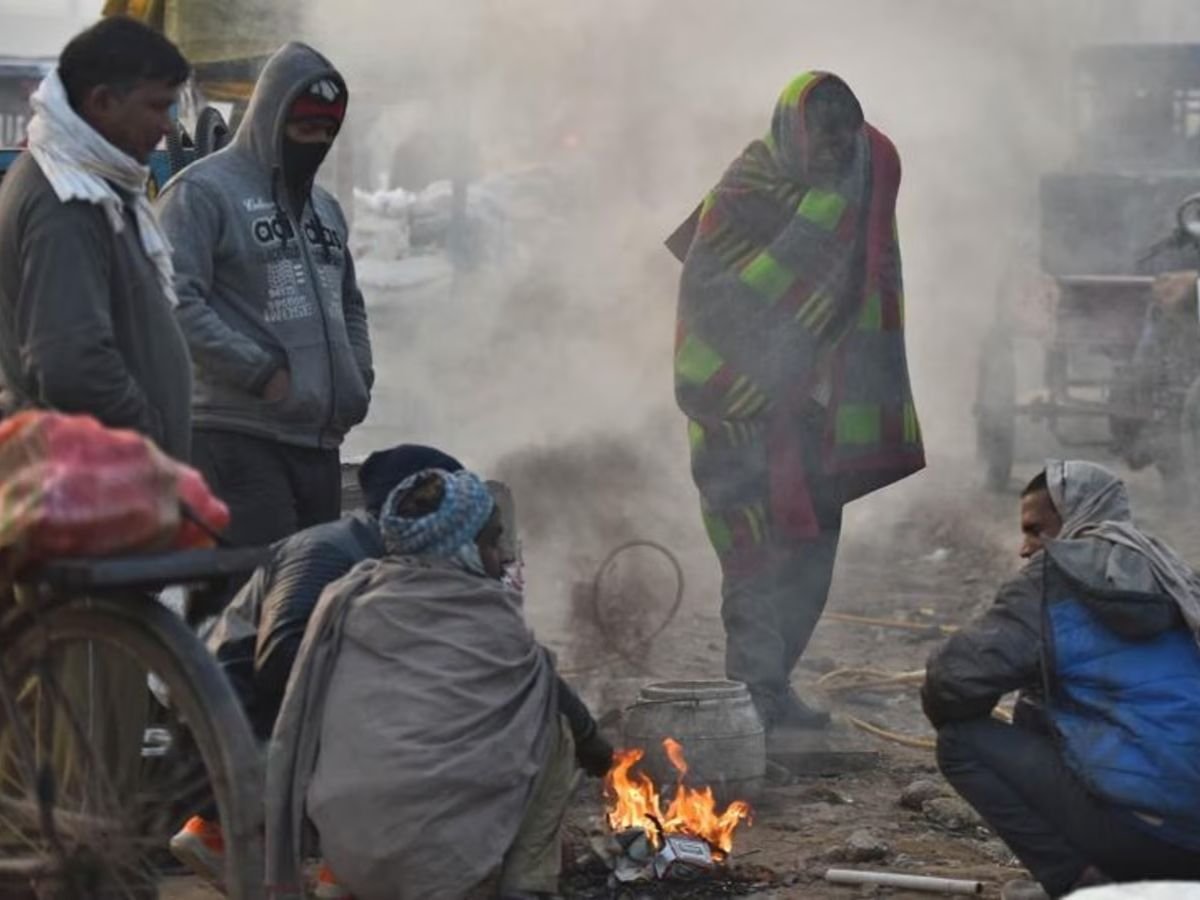
New Delhi, October 03: As the winter season sets in, the India Meteorological Department (IMD) has issued an extreme weather warning for the Delhi-National Capital Region (NCR), cautioning residents about the impending cold wave. While the chilly winds may bring a sense of respite from the scorching summer heat, it is essential to be aware of the potential health risks associated with such extreme weather conditions.
Understanding the Health Risks
Exposure to cold weather can have significant implications for your health, particularly for individuals with underlying medical conditions. Some of the common health risks associated with cold weather include:
Hypothermia: Prolonged exposure to cold temperatures can lead to hypothermia, a condition characterized by dangerously low body temperature. This can cause shivering, confusion, slurred speech, and in severe cases, loss of consciousness.
Frostbite: Cold weather can also cause frostbite, a condition where the skin and underlying tissues freeze. This can lead to numbness, tingling, and discoloration of the affected area. In severe cases, frostbite can result in tissue damage and amputation.
Respiratory Problems: Cold weather can exacerbate respiratory conditions such as asthma, bronchitis, and pneumonia. The cold air can irritate the airways, leading to coughing, wheezing, and difficulty breathing.
Cardiovascular Problems: Exposure to cold weather can increase the risk of heart attacks and strokes, especially in individuals with underlying heart conditions. Cold temperatures can cause blood vessels to constrict, increasing blood pressure and the strain on the heart.
Flu and Cold: Cold weather can create ideal conditions for the spread of respiratory infections such as the flu and common cold.
Protecting Yourself from Cold Delhi Weather
To minimize the health risks associated with cold weather, it is essential to take the following precautions:
Dress Warmly: Wear layers of warm clothing, including a hat, scarf, gloves, and a coat. Pay particular attention to protecting your extremities, as they are most susceptible to frostbite.
Stay Hydrated: Despite the cold weather, it is important to stay hydrated. Drink plenty of fluids, including warm beverages, to prevent dehydration.
Limit Outdoor Exposure: If possible, limit your time outdoors during the coldest parts of the day.
Protect Your Skin: Use a moisturizer to protect your skin from the drying effects of cold weather.
Get Adequate Rest: Ensure you get enough sleep to help your body cope with the stress of cold weather.
Monitor Your Health: If you experience any symptoms of cold-related illness, such as shivering, confusion, or difficulty breathing, seek medical attention immediately.
Protecting Vulnerable Delhi Populations
Individuals who are particularly vulnerable to the effects of cold weather include:
Elderly: Older adults may have difficulty regulating their body temperature and are more susceptible to hypothermia.
Infants and Children: Young children are more susceptible to the cold and may not be able to communicate their discomfort effectively.
People with Chronic Health Conditions: Individuals with underlying health conditions, such as heart disease, diabetes, or respiratory problems, are at a higher risk of complications from cold weather.
It is essential to ensure that these vulnerable populations are adequately protected from the cold and have access to necessary medical care.
















Leave a comment