

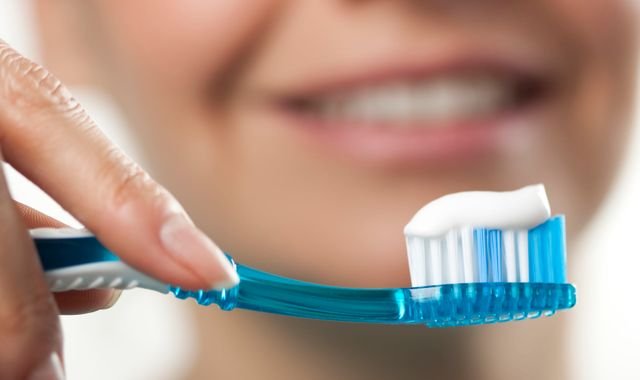
Taking care of your smile involves more than just brushing your teeth – it’s crucial to pay attention to your toothbrush too! Picture this: using a toothbrush until it’s practically falling apart – not the best plan. We should retire our toothbrushes way before they get to that point. Unfortunately, many folks overlook the basics of personal hygiene, like picking a good toothbrush or using quality soap.
Regularly changing your toothbrush is a big part of keeping your mouth healthy. If your toothbrush is showing signs of wear – like bent or broken bristles, a weird color, or just looking worn out – it’s time to get a new one. Using a worn-out toothbrush might not do a great job of cleaning plaque and bacteria, which can harm your oral health. The ideal time to switch can vary based on how much you use it and the condition of the bristles, but there are some general guidelines to keep your dental care top-notch.
Dentists typically recommend getting a new toothbrush every three to four months, or even sooner if the bristles start looking frayed or worn. As time goes on, those bristles lose their ability to keep your teeth and gums clean, increasing the risk of problems like cavities and gum disease.
Here’s a simple trick: After you’ve been sick with something contagious, like a cold or flu, remember to change your toothbrush. Germs can stick around on the bristles, potentially causing you to get sick again or spreading to others. So, grabbing a fresh toothbrush after being sick can help you avoid that risk and keep up good oral hygiene.
For those using electric toothbrushes, it’s a good idea to change the brush head every two to three months, or as recommended by the manufacturer. The high-speed movements during brushing wear out the bristles faster than manual toothbrushes. It’s like giving your toothbrush a little tune-up to keep it working its best.
After certain dental procedures – like oral surgery, root canal therapy, or treating gum disease – it’s smart to change your toothbrush. This lowers the chance of introducing bacteria into healing areas. Fresh bristles can support proper healing and reduce the risk of post-operative complications.
And for the jet-setters or those who use toothbrush covers, be mindful of your toothbrush’s cleanliness. Bacteria love wet spots, like toothbrush covers or travel cases, and can build up there, risking contamination. If you see signs of bacterial growth or your toothbrush has faced less-than-clean conditions during travel, think about changing it more often.
Now, when it comes to kids, their toothbrushes might need changing more often than adults’. Their smaller size and softer bristles mean they wear out faster. Keep an eye on your child’s toothbrush, swapping it out as needed to make sure their teeth and gums stay healthy.
In a nutshell, your toothbrush is a hero in your journey to good oral health. Treat it well, and it will do the same for you. Don’t wait until it’s falling apart – change it regularly, especially after being sick or dental procedures. Whether manual or electric, keeping those bristles fresh is a small yet powerful step toward a healthier smile. So, cheers to your toothbrush – your reliable partner in keeping that bright grin!















Leave a comment