

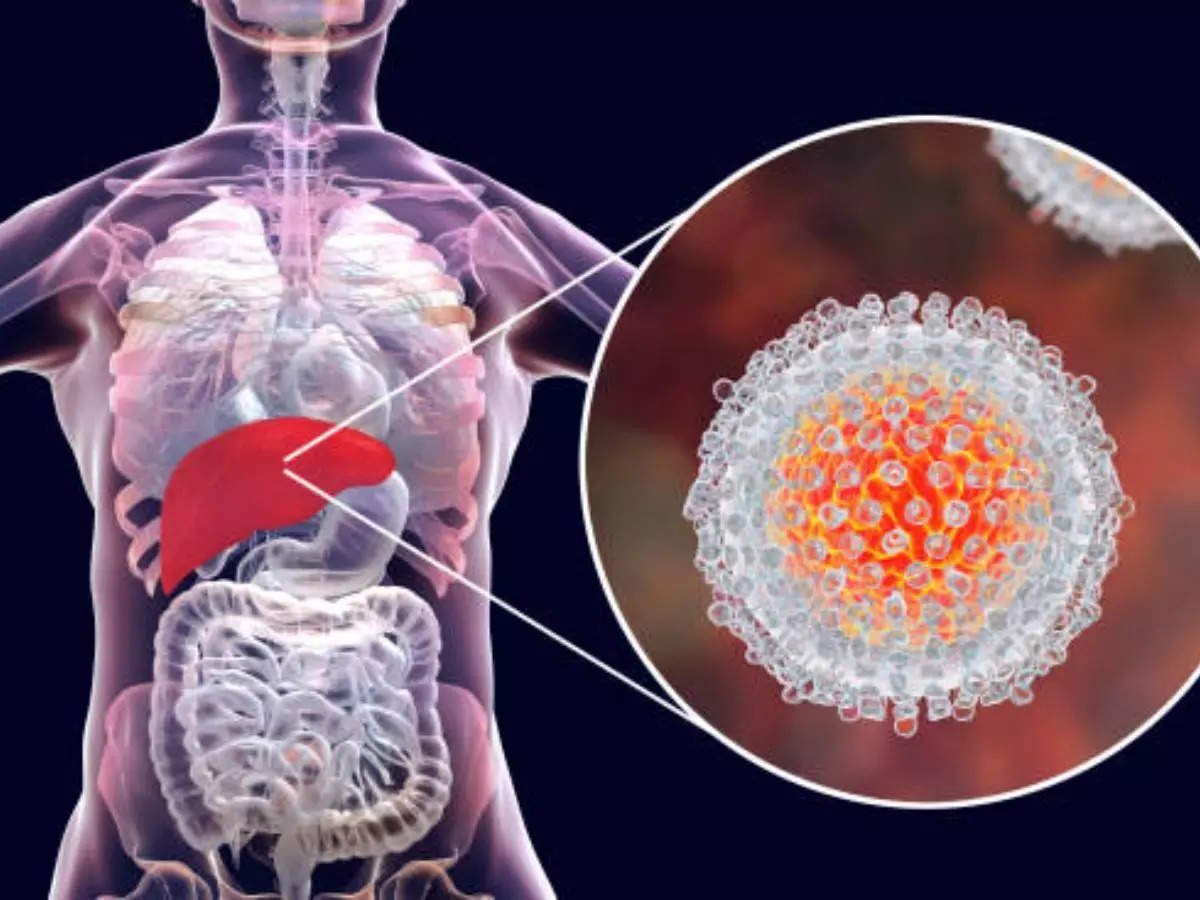
Viral hepatitis B and C are often referred to as “silent killers” because they can stay latent in your body for many years while they are destroying your liver. By the time you exhibit signs or symptoms, the disease may have progressed to advanced liver cirrhosis or liver cancer. In India, where there is poor awareness and screening, hepatitis B and C together are major contributors to deaths from liver disease.
Hepatitis B and C: What You Need To Know
According to Dr Ashok Kumar, Senior Consultant and Head of Gastroenterology, Sarvodaya Hospital, Greater Noida West, “Hepatitis B and C are viruses that infect the liver and result in inflammation and eventually irreversible damage. The primary modes of transmission are blood-to-blood, unprotected sexual contact, unsafe injecting, and from mother to child at birth.”
He further adds, “What makes these viruses particularly dangerous is that in the early stages, individuals may not exhibit any symptoms. An individual can live their lives for years without knowing they are infected, all while spreading the virus to everyone around them and experiencing slow, gradual internal damage themselves.”
According to the World Health Organisation (WHO), around 40 million individuals in India are hepatitis B positive, and around 6-12 million are hepatitis C positive. Many of them have no idea they are infected.
Rationale for Regular Liver Monitoring
Recognition of early signs of infection by the virus is necessary to have a successful avoidance of serious complications. One of the examples of follow-up procedures in relation to early detection of the infection and monitoring the disease progression is regular liver function laboratory tests, observation of the viral load, ultrasound. Monitoring is particularly important for those at higher risk (medical professionals, people who have had multiple blood transfusions, drug users by injection, and family members of infected individuals).
Regular liver monitoring means healthcare providers can intervene at the right moment with antiviral treatments to suppress or eliminate the infection. For instance, new medicines for hepatitis C can cure greater than 95% of patients in 12 weeks. For Hepatitis B, while there is no cure, the virus can be suppressed with appropriate medication and prevents liver failure or liver cancer.
Ways To Eradicate Viral Hepatitis
India has committed to eliminating viral hepatitis as a public health threat by 2030 in line with World Health Organisation (WHO) global goals. There are many actions that can accelerate this initiative:
- Universal Screening: This includes screening in high-risk population groups and especially when screening pregnant women, dialysis patients, or healthcare workers.
- Vaccination: The hepatitis B vaccine is effective, and one of them is included in the India Universal Immunisation Programme. It is critical to improve the rate of coverage of adult immunisation.
- Safe Medical Practices: Safe sharps, safe blood transfusions and general infection prevention and control in health care facilities.
- Awareness Campaigns: Increasing the awareness of the population, especially on the stigma, tests, and good behaviour.
- Free Testing and Treatment: India is aiming at free testing and treatment of hepatitis under the National Viral Hepatitis Control Programme (NVHCP).
What Else To Know About Hepatitis Management
Hepatitis B and C are preventable, treatable, and in some cases curable. But they remain undiagnosed and untreated in India. By expanding awareness, routine liver monitoring, and enhancing the public health system, we can win against the silent killers. It is time to act now; it can save lives and propel India towards a hepatitis-free future.















Leave a comment