

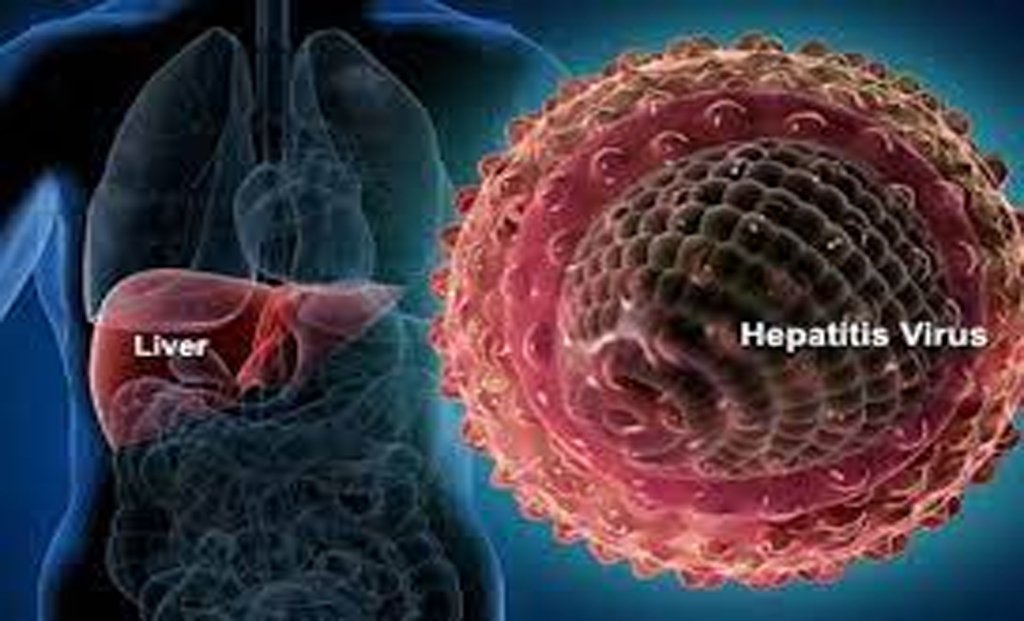
New Delhi, 13 June 2025: Kerala is once again at the centre of a growing public health crisis as the state grapples with a dual outbreak of Hepatitis and COVID-19, triggering widespread concern among health officials and the public alike. The simultaneous spread of these two viral infections has put immense pressure on the healthcare infrastructure, especially in districts like Kozhikode, Malappuram, and Ernakulam where rising cases have been reported over the past few weeks. While COVID-19 continues to mutate and resurge in small waves, the sudden spike in hepatitis infections — particularly Hepatitis A and E — has compounded the threat, raising fears of a new health emergency.
Why Is Kerala Facing a Dual Outbreak?
Health experts attribute the dual outbreak to a combination of factors including rising temperatures, reduced public vigilance, post-election gatherings, contaminated water sources, and waning immunity in vulnerable populations. While the COVID-19 subvariants, including NB.1.8.1, continue to circulate silently, hepatitis cases have been linked to poor sanitation and unsafe drinking water, particularly in flood-prone and densely populated areas. The state’s tropical climate, monsoon-driven water stagnation, and close human contact during recent festivals and events have created the perfect storm for viral transmission. Officials warn that unless urgent preventive measures are taken, the situation could escalate rapidly into a full-blown public health emergency.
Symptoms You Must Watch Out For
The symptoms of hepatitis and COVID-19 may overlap in some cases, which makes diagnosis more challenging. Hepatitis, particularly types A and E, typically presents with jaundice (yellowing of eyes and skin), fatigue, abdominal pain, nausea, vomiting, and dark urine. On the other hand, COVID-19 symptoms in its current variant forms are showing up as sore throat, fever, body aches, fatigue, cough, and in some cases, gastrointestinal distress. In cases of co-infection, the patient may experience an unusual combination of both respiratory and hepatic symptoms, including extreme weakness, confusion, or signs of liver inflammation, and these require immediate hospitalisation and specialist intervention.
Who is at Greatest Risk in This Twin Outbreak?
Children, the elderly, immunocompromised individuals, and people with pre-existing liver or respiratory conditions are most at risk of complications from either or both infections. In many recent cases reported from Kerala, school-going children and college students have tested positive for hepatitis due to consumption of contaminated food or water, while COVID-19 cases are again being seen among senior citizens and those with chronic illnesses. The dual infection risk is especially dangerous in such patients, as COVID-19 weakens the immune system further, making it harder for the body to fight off hepatitis-related liver inflammation.
What Is the Government Doing to Contain the Spread?
The Kerala Health Department has ramped up surveillance and issued advisories for safe drinking water, personal hygiene, and social distancing in public areas. Water tanks are being chlorinated, contaminated sources are being sealed, and awareness drives have been launched in schools and colleges. Testing for both COVID-19 and hepatitis viruses has been intensified at district hospitals and PHCs. Isolation wards and liver care units are also being prepped in major hospitals to handle complicated co-infection cases. Health officials are urging people with symptoms like jaundice or fever to seek immediate medical attention instead of self-medicating or delaying treatment.
How to Protect Yourself and Your Family
Prevention is the most effective tool in managing any viral outbreak. To protect against hepatitis, boil drinking water, avoid roadside or uncooked food, and wash hands frequently with soap, especially before meals. For COVID-19, continue wearing masks in crowded or indoor settings, sanitise hands, and avoid unnecessary travel or gatherings. Ensure vaccinations for COVID-19 are up to date, and consider getting vaccinated for Hepatitis A and B if eligible. People experiencing persistent symptoms such as fever, weakness, vomiting, or yellowing of eyes and skin should undergo immediate screening and avoid contact with others to prevent further transmission.
The dual threat of hepatitis and COVID-19 in Kerala underscores the urgent need for public awareness, personal hygiene, and coordinated healthcare efforts. As the state races to contain the outbreaks, it’s critical that citizens cooperate with health guidelines, avoid panic, and prioritise early diagnosis and prevention. With prompt action, clear communication, and responsible behaviour, Kerala can weather this twin storm and avert a larger health catastrophe.

















Leave a comment