

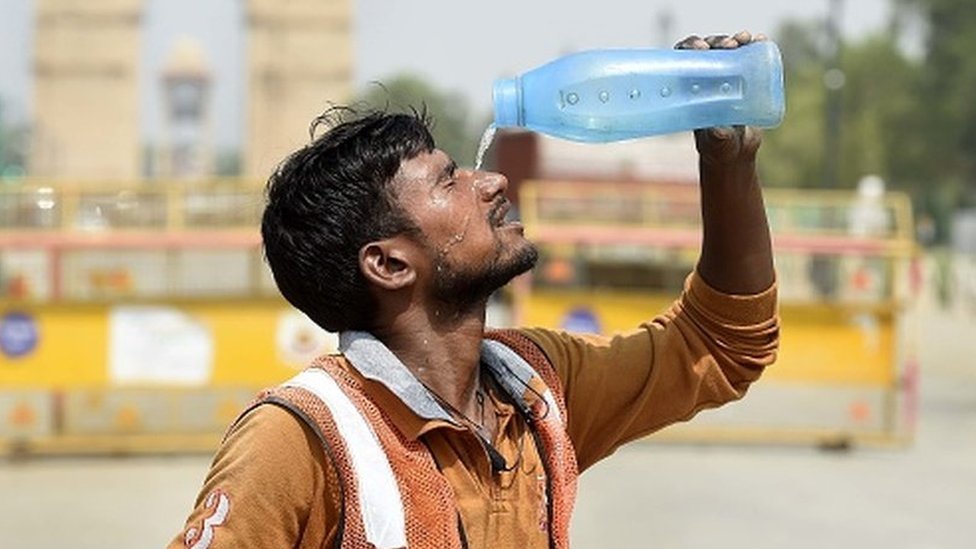
As temperatures continue to soar across many regions, heatwaves are becoming increasingly frequent and intense. Prolonged exposure to extreme heat can put serious stress on the body, increasing the risk of heat-related illnesses such as heat exhaustion and heatstroke. Health experts warn that recognizing the early warning signs and taking preventive measures can help avoid dangerous complications.
What is heat exhaustion?
Heat exhaustion occurs when the body loses excessive water and salt through sweating, usually after prolonged exposure to high temperatures or intense physical activity in the heat. When the body struggles to regulate its temperature, it can lead to symptoms that signal the body is overheating.
If not treated promptly, heat exhaustion can progress to heatstroke, a life-threatening medical emergency.
Warning signs of heat exhaustion
Recognizing the symptoms early is crucial. Some common warning signs include:
- Heavy sweating
- Weakness or fatigue
- Dizziness or lightheadedness
- Headache
- Muscle cramps
- Nausea or vomiting
- Cool, pale, or clammy skin
- Rapid heartbeat
- Fainting
In many cases, individuals may also feel unusually thirsty and experience difficulty concentrating.
Who is most at risk?
While anyone can develop heat exhaustion, certain groups are more vulnerable, including:
- Older adults
- Young children and infants
- People with chronic illnesses such as heart disease or diabetes
- Outdoor workers
- Athletes and people exercising in hot weather
- Individuals taking medications that affect hydration
These groups may struggle more to regulate body temperature during extreme heat.
When does heat exhaustion become dangerous?
If heat exhaustion is not managed quickly, it can escalate into heatstroke. Warning signs of heatstroke include:
- Body temperature above 40°C (104°F)
- Confusion or disorientation
- Loss of consciousness
- Dry, hot skin
- Rapid breathing
Heatstroke requires immediate medical attention as it can damage vital organs.
What to do if someone has heat exhaustion
If you suspect heat exhaustion, take the following steps immediately:
- Move the person to a cool or shaded place.
- Encourage them to drink water or electrolyte fluids.
- Loosen or remove tight clothing.
- Apply cool cloths or take a cool shower.
- Allow the person to rest.
If symptoms worsen or do not improve within 30 minutes, medical help should be sought.
How to stay safe during a heatwave
Preventing heat-related illness is essential during extreme temperatures. Experts recommend:
- Stay hydrated: Drink plenty of water throughout the day, even if you are not thirsty.
- Avoid peak heat hours: Limit outdoor activities between 12 pm and 4 pm, when temperatures are usually highest.
- Wear light clothing: Choose loose, light-colored, breathable fabrics that help keep the body cool.
- Use cooling methods: Fans, cool showers, and air-conditioned spaces can help regulate body temperature.
- Eat light meals: Heavy meals can increase metabolic heat production.
- Check on vulnerable individuals: Regularly check on elderly family members, children, and neighbors who may be at higher risk.
The growing threat of heatwaves
With climate change contributing to rising global temperatures, heatwaves are expected to become more frequent and severe. Public health experts stress that awareness and early prevention are key to protecting communities from heat-related illnesses.
Understanding the warning signs of heat exhaustion and taking simple precautions can help individuals stay safe and avoid serious health risks during extreme heat.










Leave a comment