


When it comes to medical emergencies, understanding the difference between haemodynamically stable and unstable conditions is crucial. These terms refer to the stability of a person’s circulatory system and can greatly impact their overall health. Let’s dive into what you need to know:
1. Haemodynamically Stable:
A haemodynamically stable condition refers to a state where a person’s circulatory system is functioning within normal parameters. In this state, the heart is effectively pumping blood, and the blood vessels are maintaining adequate blood flow to all organs and tissues. Patients who are haemodynamically stable generally have stable blood pressure, heart rate, and organ perfusion.
2. Haemodynamically Unstable:
On the other hand, a haemodynamically unstable condition indicates an impaired circulatory system. This means that the heart is struggling to pump blood effectively, and there may be inadequate blood flow to vital organs. Patients who are haemodynamically unstable often exhibit symptoms such as low blood pressure, rapid heart rate, poor organ perfusion, and signs of shock.
3. Causes of Haemodynamic Instability:
Several factors can contribute to haemodynamic instability, including:
a. Hypovolemia: This occurs when there is a significant loss of blood or fluids from the body, leading to a decrease in circulating volume and subsequent instability.
b. Cardiac Dysfunction: Conditions such as heart failure, arrhythmias, or myocardial infarction can impair the heart’s ability to pump blood effectively, resulting in haemodynamic instability.
c. Septic Shock: Infections can lead to a systemic inflammatory response, causing blood vessels to dilate and blood pressure to drop, resulting in haemodynamic instability.
4. Recognizing and Managing Haemodynamic Instability:
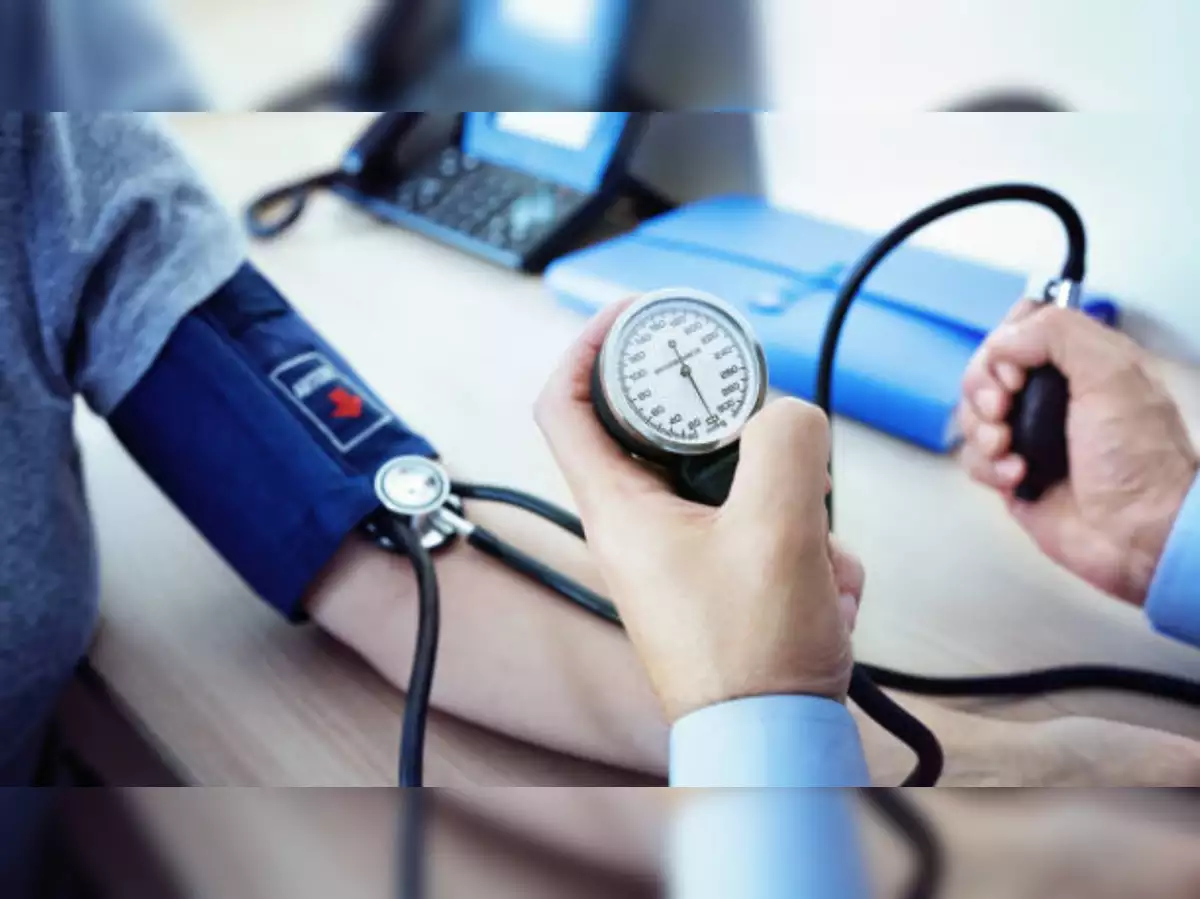
Early recognition and prompt management of haemodynamic instability are crucial. Healthcare professionals closely monitor vital signs, including blood pressure, heart rate, oxygen saturation, and urine output. Treatment may include:
a. Fluid Resuscitation: Administering intravenous fluids to restore circulating volume and improve organ perfusion.
b. Medications: Depending on the underlying cause, medications such as vasopressors or inotropes may be administered. Vasopressors help constrict blood vessels and increase blood pressure, while inotropes strengthen the heart’s pumping ability. These medications are carefully selected and administered by healthcare professionals to stabilize the patient’s condition.
c. Oxygen Therapy: Supplemental oxygen may be provided to improve oxygenation and support organ function. This can be done through various methods, such as nasal cannula or face mask, depending on the patient’s needs.
d. Addressing the Underlying Cause: Identifying and addressing the root cause of haemodynamic instability is essential for effective management. This may involve treating infections, managing arrhythmias, or addressing other underlying conditions contributing to the instability.
e. Continuous Monitoring: Continuous monitoring of vital signs and haemodynamic parameters is crucial to assess the patient’s response to treatment and make necessary adjustments. This may include monitoring through invasive methods, such as arterial lines or central venous catheters, to obtain more accurate and real-time data.
f. Collaboration and Communication: Managing haemodynamic instability requires a multidisciplinary approach. Healthcare professionals, including doctors, nurses, and specialists, work together to provide comprehensive care and ensure effective communication throughout the process.
Remember, recognizing and managing haemodynamic instability is a complex task that requires the expertise of doctors. If you or someone you know is experiencing haemodynamic instability, it’s important to seek medical attention promptly.















Leave a comment