

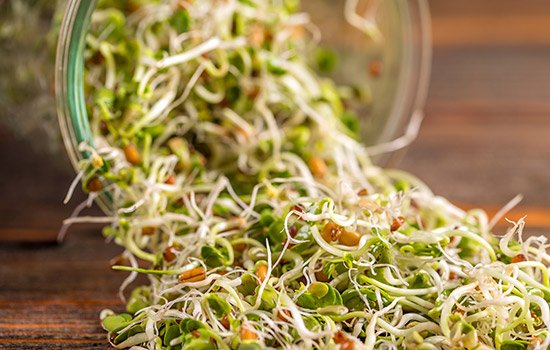
Sprouts are tiny, nutrient-packed powerhouses that can easily be grown at home. They are young plants that have just started to grow from seeds, and they are bursting with vitamins, minerals, and antioxidants. Whether you’re a seasoned gardener or just starting out, growing your own sprouts is a simple and rewarding experience. Here’s a benefits of eating sprouts to help you cultivate your own nutrient-rich sprouts at home.
Choosing Your Seeds
The first step in growing sprouts is selecting the right seeds. You can sprout almost any seed, but some of the most popular choices include:
Alfalfa: Mild flavor, great for sandwiches and salads.
Broccoli: Rich in antioxidants, slightly spicy taste.
Mung Beans: Common in Asian cuisine, crunchy texture.
Radish: Spicy and peppery, adds a kick to dishes.
Make sure to buy seeds specifically labeled for sprouting, as they are free from harmful chemicals and contaminants.
Equipment You Need
Growing sprouts doesn’t require any fancy equipment. Here’s what you’ll need:
A glass jar: A wide-mouth mason jar works well.
A mesh lid or cheesecloth: This allows air to circulate while keeping the seeds in.
A rubber band: To secure the cheesecloth.
Water: Fresh, clean water is essential for sprouting.
The Sprouting Process
1. Rinse and Soak: Start by rinsing your seeds thoroughly under cool water. Then, place them in the jar and cover with water. Let them soak for about 8-12 hours, or overnight. This helps to kickstart the germination process.
2. Drain and Rinse: After soaking, drain the water using the mesh lid or cheesecloth. Rinse the seeds with fresh water and drain again. It’s important to rinse the seeds 2-3 times a day to prevent mold and ensure healthy growth.
3. Sprouting: Place the jar in a well-ventilated area away from direct sunlight. A kitchen counter is usually a good spot. Continue to rinse and drain the seeds twice a day. In a few days, you’ll start to see tiny sprouts emerging.
4. Harvest: Most sprouts are ready to harvest in 4-7 days, depending on the type. They should be about 1-2 inches long. Give them a final rinse and let them dry before storing.
Storing Your Sprouts
Once harvested, sprouts can be stored in the refrigerator for up to a week. Make sure they are dry before storing them in a container. Damp sprouts can spoil quickly, so a good practice is to place a paper towel in the container to absorb any excess moisture.
Common Issues
Mold: If you notice a musty smell or see mold, discard the sprouts immediately. To prevent mold, ensure proper drainage and ventilation.
Slow Growth: If your sprouts are taking longer than expected, they might not be getting enough air. Make sure the jar is not sealed tightly and has enough airflow.
Now that you’ve successfully grown your own sprouts, it’s time to enjoy them! Add them to your favorite dishes or snack on them as they are. The fresh, crisp taste of home-grown sprouts is unmatched by store-bought versions.
Growing sprouts at home is not only easy but also a fun and educational activity for the whole family. Plus, it’s a great way to ensure you’re eating fresh, nutrient-rich foods.















Leave a comment