

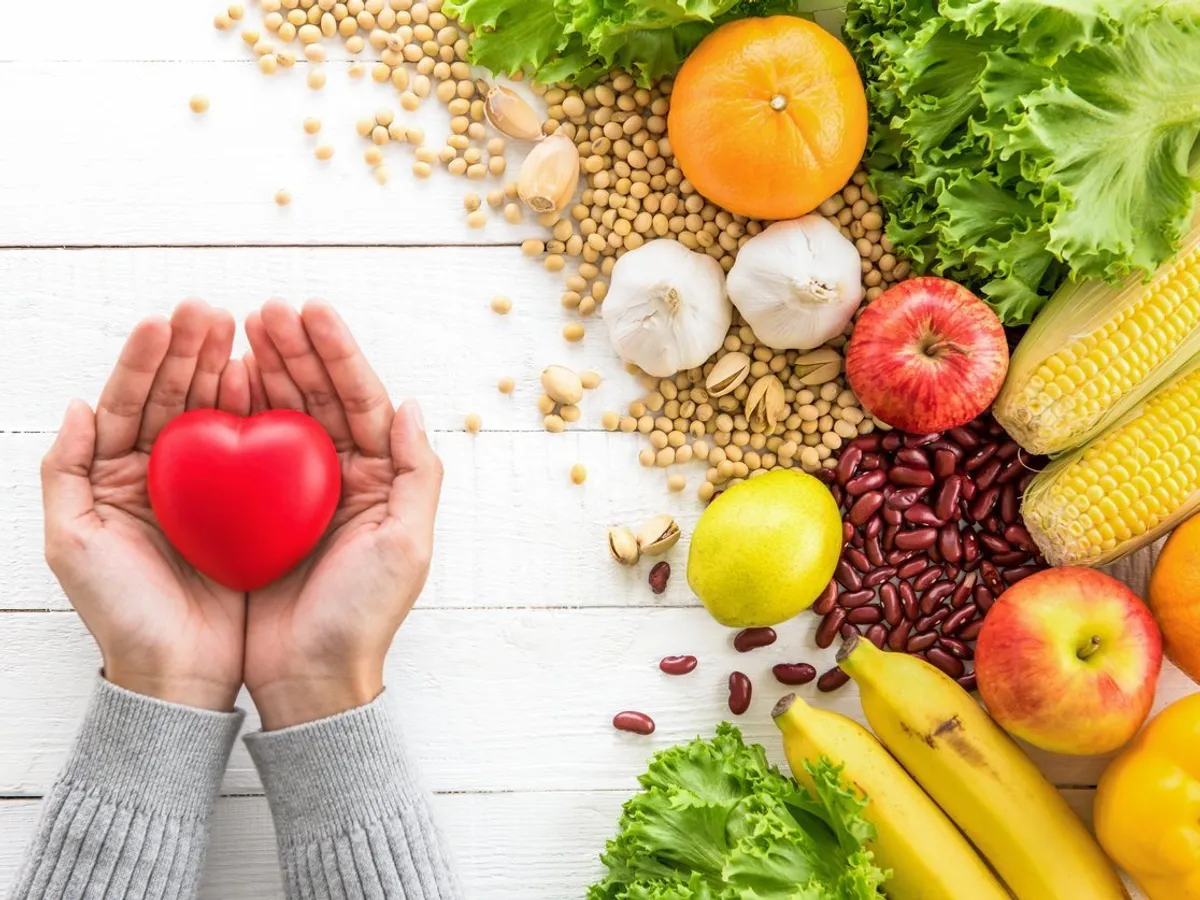
When a person’s circulatory system is in a balanced and optimal operating state, it is referred to as hemodynamic stability. It means They have normal blood pressure and circulation, indicating that their heart is capable of pumping blood efficiently.
Let’s look at foods that help regulate blood pressure:
- Berries:
Rich in flavonoids, which have vasodilatory properties and aid in reducing vascular inflammation, berries like blueberries, strawberries, and raspberries are a great source of antioxidants.
Berries’ high fibre content reduces cholesterol absorption and promotes satiety, which in turn helps to improve blood pressure regulation and heart health.
- Fatty Fish:
Omega-3 fatty acids, especially EPA and DHA, which have anti-inflammatory qualities and assist in lowering blood pressure, are abundant in fatty fish, such as salmon, mackerel, and sardines.
In addition to improving endothelial function, lowering triglyceride levels, and preventing blood clot formation, omega-3 fatty acids help enhance optimum blood flow and hemodynamic stability.
- Nuts and Seeds:
Nuts and seeds are a great source of magnesium, potassium, and good fats, which all support heart health and help control blood pressure. Nuts and seeds contain unsaturated fats that have been linked to a lower risk of heart disease and hypertension. Additionally, the magnesium they contain helps to relax blood vessels and enhance circulation.
- Leafy Greens:
Potassium, which is necessary for preserving electrolyte balance and controlling blood pressure, is abundant in leafy greens such as spinach, kale, and Swiss chard. They also contain a lot of magnesium, which promotes vasodilation and enhances blood flow by helping to relax blood vessels.
Furthermore, leafy greens contain nitrates, which are substances that have been proved to reduce blood pressure by widening blood vessels and increasing the synthesis of nitric oxide.
- Oats:
Oats are an excellent source of soluble fibre, which accumulates in the digestive tract to create a gel-like substance that traps cholesterol and helps the body expel it. Along with maintaining general cardiovascular health, this soluble fibre also helps in blood sugar regulation, minimizing surges that may lead to hypertension.
- Beets:
The nitrates found in beets are converted by the body into nitric oxide, a chemical that widens blood vessels and enhances blood flow.
Regularly drinking beets or beetroot juice has been demonstrated to decrease blood pressure and promote exercise performance by improving circulation.
- Dark Chocolate:
Plant components called flavanols, which promote the synthesis of nitric oxide, so increasing blood flow and encouraging vasodilation, are present in dark chocolate with a high cocoa content.
Moderate dark chocolate consumption has been linked to lower blood pressure and a decreased risk of cardiovascular disease.
- Whole Grains:
Whole grains, such as quinoa, brown rice, and whole wheat, are high in fibre, vitamins, and minerals that promote cardiovascular health. The high fibre content in them helps in blood pressure control by promoting satiety, lowering cholesterol, and regulating blood sugar levels.
There are several advantages of including these foods in a well-balanced diet for blood pressure control and hemodynamic stability. Adopting these dietary adjustments is crucial, but so is maintaining a general healthy lifestyle that also includes stress reduction, frequent exercise, abstaining from tobacco and excessive alcohol use, and others.















Leave a comment