

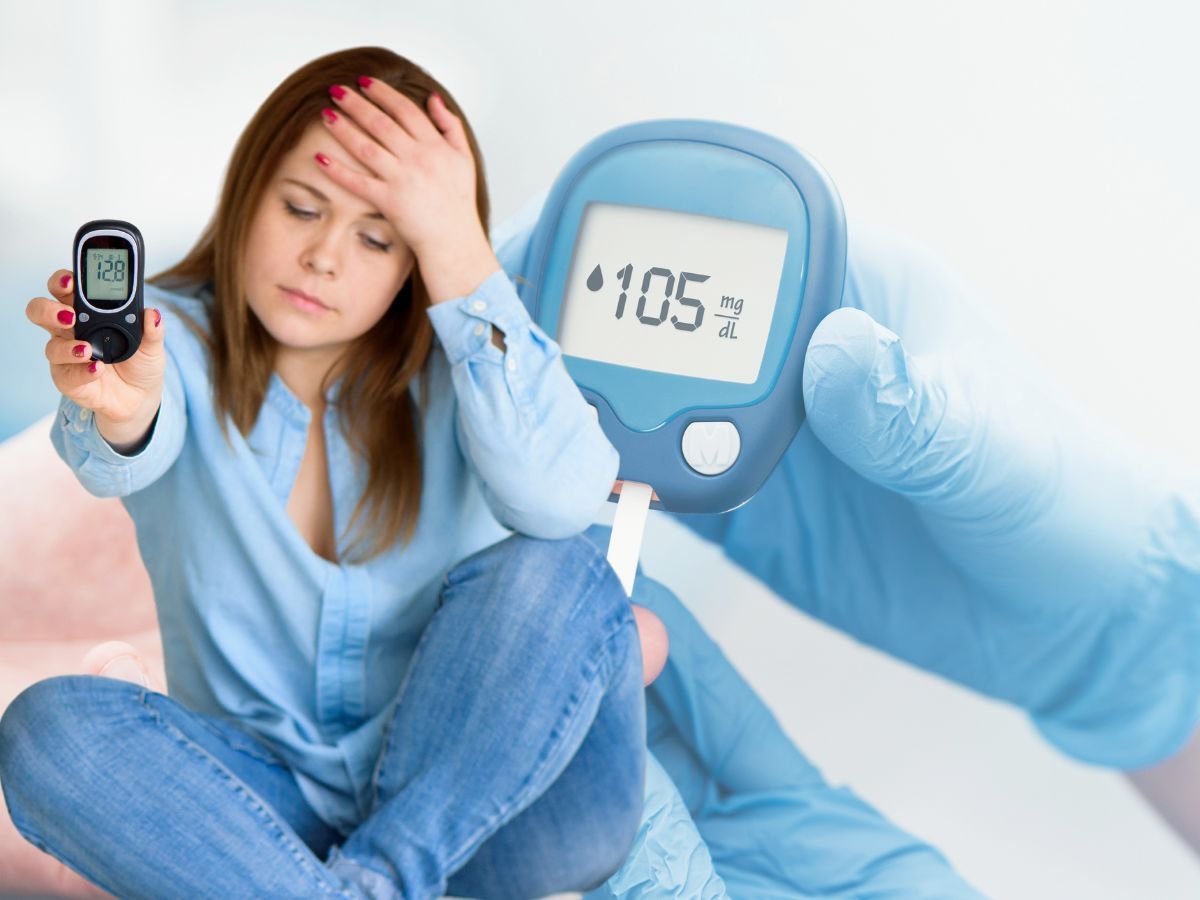
New Delhi, 27 October, 2025: Diabetes doesn’t just affect your blood sugar — it silently damages multiple organs, including your eyes. In fact, ophthalmologists often say the eyes can reveal diabetes even before lab reports do. Subtle vision changes, dryness, or floating dark spots could be early signs of dangerously high glucose levels.
Uncontrolled diabetes can damage tiny blood vessels in the retina — the light-sensitive layer at the back of your eye — leading to a group of eye conditions collectively known as diabetic eye disease. The most common among them is diabetic retinopathy, which, if ignored, can lead to permanent vision loss.
According to the World Health Organization (WHO), nearly one in three diabetics develops some degree of eye complication during their lifetime. The good news? Most of these problems are preventable and treatable if detected early.
How High Blood Sugar Affects Your Eyes
When blood sugar levels stay elevated for long periods, they cause damage to the small blood vessels and nerves throughout the body — including those in the eyes.
Here’s what happens:
- High glucose weakens the walls of tiny retinal vessels.
- These vessels leak fluid or blood, causing swelling or blurred vision.
- In severe cases, new abnormal vessels grow and bleed into the eye, leading to scarring or blindness.
This slow and silent damage may go unnoticed for months — which is why diabetes-related vision problems are often diagnosed too late. “The earliest changes in diabetes can often be seen in the retina even before symptoms appear,” explains Dr. Ritu Arora, Consultant Ophthalmologist, AIIMS Delhi. “Regular eye screening for diabetics is as essential as checking blood sugar.”
The Top 5 Eye Symptoms That Signal Diabetes
Your eyes often warn you when blood sugar levels are not under control. If you notice any of the following signs, consult an eye specialist immediately.
1. Blurred or Fluctuating Vision
One of the earliest signs of high blood sugar is blurred or changing vision. You might find it hard to focus, or your eyesight may seem foggy — like looking through a misted glass.
This happens because elevated glucose levels cause the lens of your eye to swell, changing its shape and ability to focus. Once your sugar levels stabilize, your vision may improve — but persistent blurriness could mean the retina is already affected.
“Many patients come complaining of poor vision and expect new glasses,” says Dr. Arora.
“But when we check their retina, we find early diabetic changes instead.”
What to do: If your vision fluctuates with your blood sugar, get an HbA1c test and a retinal screening (Fundus exam). Correcting your blood glucose levels can often restore clarity.
2. Spots, Floaters, or Dark Strings in Vision
If you start noticing tiny black spots, floating lines, or cobweb-like shadows drifting across your vision, it could indicate bleeding inside the eye — a sign of diabetic retinopathy.
These occur when weakened retinal blood vessels leak small amounts of blood into the vitreous — the clear gel that fills your eyeball. Initially, the floaters may be mild, but if bleeding continues, they can block your vision entirely.
Why it matters: Ignoring floaters can lead to vitreous hemorrhage or retinal detachment, both of which can cause permanent blindness if not treated promptly.
What to do: Don’t ignore new floaters, flashes, or blurred areas in your sight. Visit a retina specialist for an eye scan immediately. Treatments like laser therapy or vitrectomy can save your sight if caught early.
3. Eye Pain, Redness, or Pressure
Persistent redness, pain, or a sensation of pressure around your eyes can signal diabetic glaucoma, a condition where fluid builds up and increases pressure inside the eye.
Over time, this pressure damages the optic nerve, leading to gradual vision loss. Diabetics are nearly twice as likely to develop glaucoma as non-diabetics.
Warning signs include:
- Pain or throbbing around the eyes
- Headaches
- Halos around lights
- Nausea or blurred peripheral vision
What to do:
Glaucoma damage is irreversible, but early treatment with pressure-lowering eye drops, lasers, or surgery can prevent further loss. Diabetics should get their intraocular pressure (IOP) checked at least once a year.
4. Difficulty Seeing at Night or During Glare
If driving at night feels difficult or you struggle to adjust between bright and dark light, it could be a sign of diabetic retinopathy or cataracts.
High blood sugar leads to faster clouding of the eye’s natural lens, known as diabetic cataract. This causes glare, faded colors, or a “milky” appearance in the pupil.
What to do:
Wearing anti-glare lenses and controlling blood sugar can slow progression. In advanced cases, cataract surgery is highly effective, but only if the retina is healthy.
5. Sudden Vision Loss or Blind Spots
A sudden loss of vision in one or both eyes is a medical emergency. It can occur due to:
- Retinal detachment: When the retina pulls away from the back of the eye.
- Vitreous hemorrhage: Heavy bleeding into the vitreous gel.
- Macular edema: Swelling in the central retina responsible for sharp vision.
These complications often develop silently in diabetics who haven’t undergone regular eye exams.
“We see patients come only after major vision loss,” says Dr. S. Natarajan, a noted retinal surgeon.
“If they had done a simple yearly retina scan, their sight could have been saved.”
What to do:
Seek immediate ophthalmic care if you experience sudden vision dimming, flashes, or a dark curtain-like shadow across your vision. Time is critical — early intervention can prevent blindness.
Long-Term Eye Diseases Linked to Diabetes
Apart from the above warning signs, diabetics are more prone to chronic eye diseases, including:
- Diabetic Retinopathy: Damage to retinal blood vessels; leading cause of blindness among adults.
- Diabetic Macular Edema (DME): Swelling in the macula, causing central vision loss.
- Cataracts: Clouding of the lens, occurring 10–15 years earlier in diabetics.
- Glaucoma: Increased eye pressure leading to optic nerve damage.
How to Protect Your Eyes from Diabetes Damage
Fortunately, diabetic eye disease is not inevitable. You can protect your eyesight with a few disciplined habits:
- Control Blood Sugar Levels: Keep fasting glucose between 80–130 mg/dL and HbA1c below 7%.
- Monitor Blood Pressure & Cholesterol: High BP accelerates retinal damage.
- Get an Annual Dilated Eye Exam: Even without symptoms, every diabetic should undergo a retinal screening once a year.
- Quit Smoking: Smoking doubles the risk of diabetic eye complications.
- Eat Eye-Friendly Foods: Include leafy greens, omega-3 fatty acids, and vitamin A-rich foods like carrots, spinach, and salmon.
- Exercise Regularly: Improves circulation and blood sugar control.
- Manage Stress: Chronic stress raises cortisol and blood sugar levels.
When to See a Doctor
See an eye specialist immediately if you experience:
- Sudden or severe vision loss
- Flashing lights or floaters
- Blurred or double vision
- Pain, redness, or halos around lights
Early treatment with laser therapy, anti-VEGF injections, or surgery can prevent 90% of vision loss cases related to diabetes.
Early Detection Saves Sight
Your eyes are often the first organs to signal rising blood sugar levels — long before you feel any other symptoms. Ignoring early eye problems in diabetes can lead to irreversible blindness, but timely action and strict glucose control can preserve your vision for life.
Regular check-ups, healthy habits, and awareness are your best defense. As doctors often say, “The best treatment for diabetic eye disease is prevention — not cure.”

















Leave a comment