

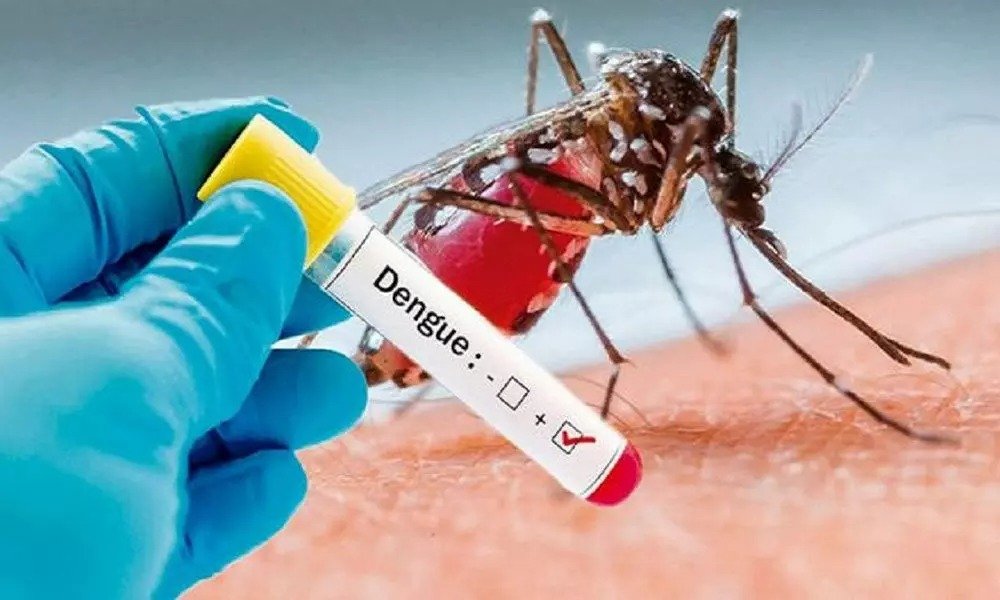
As India continues to grapple with the monsoon season, several states are witnessing a significant rise in dengue cases, sparking widespread concern among public health authorities. Dengue, a mosquito-borne viral infection caused by the Aedes aegypti mosquito, tends to surge during the rainy months due to stagnant water and poor sanitation, which create ideal breeding grounds for mosquitoes. The current spike in infections has led to overcrowded hospitals in some cities, with many patients showing moderate to severe symptoms that require close medical monitoring. What makes dengue particularly dangerous is that its early symptoms can mimic those of common viral fevers, making timely diagnosis and treatment crucial for recovery. Amid this ongoing health concern, understanding and identifying the warning signs of dengue becomes a top priority to avoid complications and ensure timely medical intervention.
Common Symptoms of Dengue
Most people infected with the dengue virus experience mild to moderate flu-like symptoms that usually appear 4 to 10 days after being bitten by an infected mosquito. These may include sudden high-grade fever, severe headaches (especially behind the eyes), joint and muscle pain, nausea, vomiting, fatigue, and skin rashes that develop a few days after the onset of fever. While these symptoms may subside on their own with proper rest, hydration, and medication (usually paracetamol), the real danger lies in ignoring certain warning signs that indicate the infection is progressing to a more serious or potentially life-threatening stage, such as dengue hemorrhagic fever or dengue shock syndrome.
Red Flags You Should Never Ignore
There are several symptoms that serve as warning signs of severe dengue and warrant immediate hospitalization. These include persistent vomiting, severe abdominal pain, difficulty breathing, bleeding from the gums or nose, blood in vomit or stool, and a sudden drop in blood pressure leading to dizziness or fainting. A sharp decline in platelet count is another critical indicator that the patient’s condition is worsening. Additionally, if the fever suddenly drops and is followed by severe weakness, cold or clammy skin, and signs of confusion or restlessness, it could be a sign of internal bleeding or fluid leakage, which requires urgent medical attention. Ignoring these symptoms can result in delayed treatment, increasing the risk of severe complications, organ damage, and even death.
Who Is at Greater Risk?
While dengue can affect people of all age groups, certain populations are more vulnerable to complications. These include infants, young children, pregnant women, the elderly, and individuals with pre-existing health conditions such as diabetes or cardiovascular diseases. Moreover, people who have had a previous dengue infection are at higher risk of developing severe dengue upon reinfection due to a phenomenon known as antibody-dependent enhancement. This makes it even more important for high-risk groups to monitor their health closely and seek medical advice at the first sign of trouble.
As dengue cases continue to rise across India, public awareness and timely medical action remain key to managing the outbreak. By recognizing the symptoms early and responding to warning signs without delay, individuals can protect themselves and help reduce the burden on the already stretched healthcare system. Dengue is preventable and manageable—but only if we act in time.

















Leave a comment