

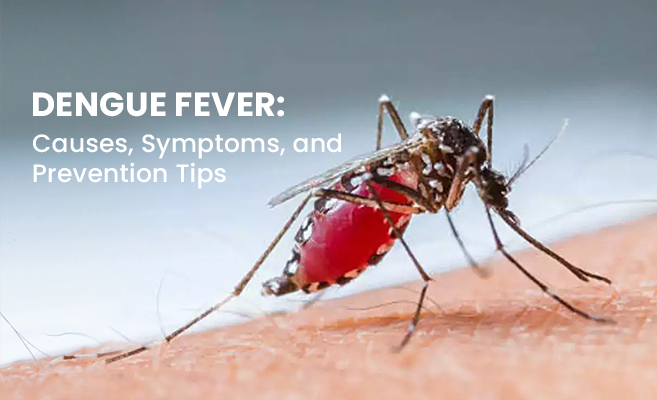
New Delhi, 15 September, 2025: Delhi-NCR is once again facing the threat of dengue fever, a mosquito-borne viral disease that tends to surge during the monsoon and post-monsoon season. In recent weeks, hospitals and clinics across the region have reported a noticeable rise in suspected and confirmed dengue cases. The situation has prompted health authorities to issue a dengue alert and urge citizens to take strict precautions.
Dengue is not just a seasonal inconvenience—it can turn deadly if not diagnosed and treated on time. In this article, we break down the current situation in Delhi-NCR, the signs and symptoms of dengue, why this season makes it worse, and most importantly, how you can protect yourself and your family.
Why Dengue Cases Spike in Delhi-NCR During Monsoon
The Aedes aegypti mosquito, responsible for spreading the dengue virus, thrives in warm and humid climates. Stagnant water in puddles, flowerpots, discarded containers, construction sites, and water storage tanks creates perfect breeding grounds.
Delhi-NCR, with its high population density and uneven drainage systems, becomes particularly vulnerable after heavy rains. Even a small bottle cap filled with stagnant water is enough for mosquitoes to breed. This is why cases usually rise between July and November, peaking in September and October.
What is Dengue?
Dengue is a viral infection caused by the dengue virus (DENV), which has four different strains. Once bitten by an infected mosquito, symptoms appear after 4–10 days. The illness can range from mild flu-like symptoms to severe life-threatening conditions like dengue hemorrhagic fever (DHF) or dengue shock syndrome (DSS).
Common Symptoms of Dengue
Recognizing the symptoms early is crucial for timely medical intervention. The most common signs include:
- High fever (up to 104°F)
- Severe headache
- Pain behind the eyes
- Joint and muscle pain (often called “breakbone fever”)
- Skin rash (appearing 2–5 days after fever starts)
- Nausea and vomiting
- Fatigue and weakness
Warning Signs of Severe Dengue
Some patients may develop severe dengue, which requires immediate hospitalization. Warning signs include:
- Severe abdominal pain
- Persistent vomiting
- Bleeding gums or nosebleeds
- Blood in urine, stool, or vomit
- Difficulty breathing
- Sudden drop in blood pressure (shock)
If you notice these symptoms, rush to the hospital immediately. Delay in treatment can lead to organ failure or even death.
Current Dengue Situation in Delhi-NCR
In 2025, the region is witnessing a significant rise in dengue cases due to erratic rains, rising humidity, and improper waste management. Many hospitals in Delhi, Gurugram, Noida, and Ghaziabad have reported an increase in admissions related to dengue fever.
The Municipal Corporations of Delhi (MCD) have launched intensified mosquito control drives, including:
- Fogging in residential areas
- Larvicide spraying in waterlogged zones
- Public awareness campaigns about preventing stagnant water
Still, the responsibility lies equally with citizens to ensure their homes and surroundings are free of mosquito breeding grounds.
Why Dengue is Dangerous in Delhi-NCR
- High Urban Density: More people per square kilometer means faster spread.
- Stagnant Water Sources: Construction sites, rooftop tanks, and clogged drains become mosquito hotspots.
- Climate Conditions: Post-monsoon humidity creates ideal breeding environments.
- Lack of Awareness: Many people confuse dengue symptoms with viral fever and delay treatment.
Dengue vs Viral Fever – How to Differentiate?
During monsoon, viral fevers are common. However, dengue has some distinct signs:
| Viral Fever | Dengue Fever |
|---|---|
| Mild to moderate fever | Sudden high fever (up to 104°F) |
| General weakness | Severe body and joint pain |
| No bleeding | Possible gum/nose bleeding |
| Quick recovery (3–5 days) | Takes longer (1–2 weeks) |
If fever persists beyond 2 days with body pain and rash, consult a doctor and get a blood test done.
How Dengue is Diagnosed
Doctors usually recommend the following tests:
- NS1 Antigen Test: Detects dengue virus early.
- IgM/IgG Antibody Test: Confirms infection at later stages.
- Complete Blood Count (CBC): Tracks platelet levels and white blood cell count.
Low platelet count is a major concern in dengue patients, often requiring hospitalization and close monitoring.
Treatment for Dengue
Currently, there is no specific antiviral treatment for dengue. The focus remains on supportive care:
- Rest and hydration (plenty of fluids, oral rehydration solutions, coconut water)
- Paracetamol for fever and pain relief (avoid aspirin/ibuprofen as they can worsen bleeding)
- Hospitalization for severe cases (IV fluids, platelet monitoring, oxygen support if needed)
Preventing Dengue – Your Best Defense
Since there is no direct cure, prevention is the most effective way to combat dengue.
At Home
- Empty and clean water containers weekly.
- Cover water storage tanks properly.
- Use mosquito repellents, coils, or nets.
- Install mesh screens on windows and doors.
In the Community
- Avoid littering plastic containers and tires that can hold rainwater.
- Report waterlogging to municipal authorities.
- Encourage neighborhood fogging and anti-larvae drives.
Personal Protection
- Wear full-sleeve clothing during mosquito-prone hours (morning and evening).
- Apply mosquito repellents containing DEET, picaridin, or natural oils like citronella.
- Keep surroundings clean and dry.
Government & Healthcare Measures
Authorities in Delhi-NCR are actively:
- Setting up dedicated dengue wards in hospitals.
- Conducting awareness campaigns in schools and communities.
- Monitoring construction sites for stagnant water.
- Releasing weekly data on dengue cases for transparency.
Still, public participation is key. Without community-level vigilance, outbreaks are hard to control.
The dengue alert in Delhi-NCR is a reminder that this disease is not just a seasonal illness but a recurring public health challenge. With changing climate patterns and rapid urbanization, dengue prevention must be taken seriously.
- Watch out for early symptoms.
- Keep your surroundings free from stagnant water.
- Protect yourself from mosquito bites.
- Consult a doctor immediately if fever persists.
This monsoon, staying alert and taking preventive steps can save lives. Let’s ensure that we, our families, and our communities remain safe from the threat of dengue.

















Leave a comment