

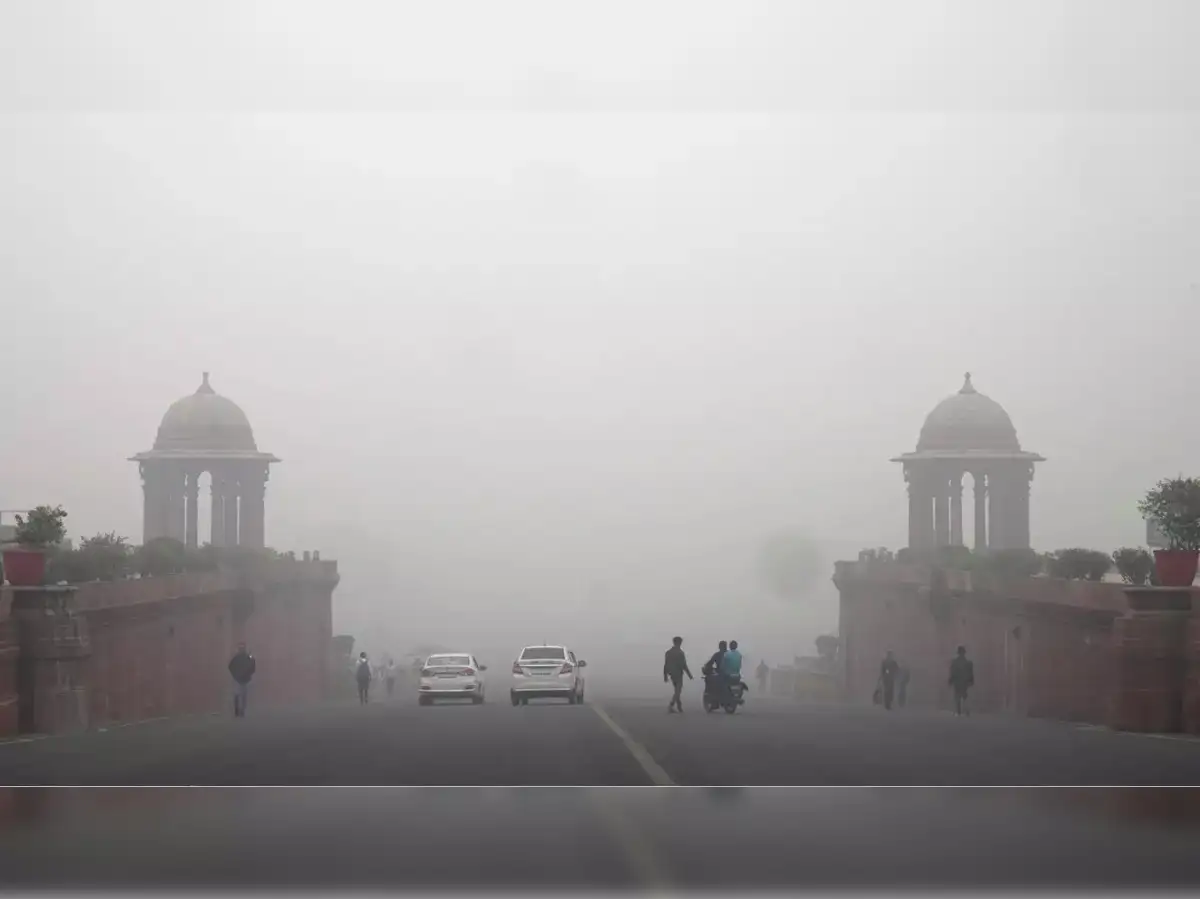
New Delhi, 22 October, 2025: Delhi is once again gasping for breath. The capital’s air quality has plunged into dangerous territory, with fine particulate matter (PM2.5) levels reaching up to 15 times the safe limit prescribed by global health standards. The result: a thick, choking smog enveloping the city and posing severe health risks to its more than 30 million residents.
This isn’t just a seasonal inconvenience — it’s a public health emergency. The air in Delhi is not only unfit for vulnerable groups, but for everyone.
Recent air quality readings show PM2.5 levels surging past 240 micrograms per cubic meter — more than 15 times higher than the recommended daily exposure limit of 15 µg/m³. In some hotspots, pollution levels have exceeded even that, approaching 400–500 µg/m³.
The Air Quality Index (AQI) has consistently registered in the “severe” category across multiple locations in the city — with some areas hitting the “severe plus” mark. This indicates a condition where the air is considered hazardous to even healthy individuals and can cause serious respiratory issues with prolonged exposure.
Such exposure isn’t an isolated event — it occurs year after year, leading to cumulative damage. Health experts have previously warned that long-term exposure to air this polluted can reduce life expectancy by nearly a decade.
Delhi Air Pollution: What’s Causing the Crisis?
The smog engulfing Delhi is the result of multiple overlapping factors:
1. Stubble Burning
During October and November, agricultural fires in neighboring regions contribute significantly to Delhi’s pollution load. These fires release huge amounts of smoke, particulate matter, and gases into the atmosphere, which are then carried into Delhi by prevailing winds.
2. Vehicular Emissions
The capital has millions of vehicles, many of which still run on diesel or use outdated engines. These vehicles emit nitrogen oxides, carbon monoxide, and particulate matter, all of which worsen air quality.
3. Construction and Road Dust
Construction activity, poor dust control practices, and unpaved roads release large quantities of dust and particulates into the air. During dry winter months, these particles remain suspended in the air longer due to low humidity.
4. Industrial Pollution
Factories and small manufacturing units operating with little regulatory oversight contribute to local emissions, releasing pollutants into densely populated neighborhoods.
5. Diwali Fireworks
Despite repeated warnings and restrictions, firecracker usage during festivals like Diwali results in a sudden spike in particulate matter and harmful gases. The sharp rise in pollutants during these celebrations severely affects vulnerable populations.
6. Weather Conditions
Delhi’s geography works against it in winter. Low wind speeds, temperature inversion, and cooler air trap pollutants close to the ground, causing them to linger longer in the atmosphere.
What Happens Inside Your Body When You Breathe Polluted Air?
Exposure to air pollution at this scale doesn’t just cause temporary discomfort — it triggers a series of harmful processes in the body.
Respiratory System
Fine particulate matter (PM2.5) penetrates deep into the lungs, reaching the alveoli. This leads to inflammation, reduced lung capacity, and increased risk of chronic conditions such as asthma, bronchitis, and chronic obstructive pulmonary disease (COPD). Even healthy individuals may experience persistent coughing, wheezing, or breathlessness.
Cardiovascular System
Air pollution is a well-documented trigger for heart attacks, strokes, and hypertension. Pollutants cause blood vessels to constrict, increase blood pressure, and promote the formation of arterial plaques, which raises the risk of cardiovascular disease.
Brain and Cognitive Function
Prolonged exposure to polluted air is increasingly being linked to cognitive decline and mental health issues. Children exposed to high pollution levels have shown signs of delayed cognitive development, while adults may face increased risks of anxiety, depression, and neurodegenerative diseases.
Prenatal and Early Childhood Impact
For pregnant women, exposure to toxic air can result in low birth weight, premature births, and developmental delays. Young children exposed to high PM2.5 levels often suffer from compromised lung development, which can lead to lifelong respiratory issues.
Why “15× the Safe Limit” Is a Catastrophe
When air pollution is 15 times the global safe limit, the implications are massive. This means every breath contains dangerously high levels of toxins, and not just for a few days — but for months at a time.
Even a single day of exposure to high PM2.5 can cause noticeable health issues in sensitive individuals. Multiply that exposure across weeks and months, and you’re looking at long-term damage — reduced lung function, increased cardiac risk, and even premature death.
The pollution burden isn’t equally distributed either. People living in lower-income neighborhoods, often with less access to clean indoor air, health care, and awareness, bear the brunt of the crisis.
While Delhi draws headlines, several other Indian cities also suffer from dangerously high air pollution levels during winter months. The health consequences are not limited to one region — they represent a national challenge that requires national-level policy and public involvement.
Air pollution doesn’t respect city borders, and its long-term costs include higher disease burden, reduced productivity, and greater strain on the healthcare system.
Delhi’s air has become a silent killer. A city gasping under pollution levels 15 times the recommended limit is not just a warning sign — it’s an alarm bell.















Leave a comment