Home Health News Cervical cancer elimination day of action
Health NewsLatest NewsWHO

Cervical cancer elimination day of action

Share
WHO
WHO
Share

By Saima Wazed, WHO Regional Director for South-East Asia. November 17 marks the fourth anniversary of launch of the global strategy to eliminate cervical cancer. As a public health problem and observed as Cervical Cancer Elimination Day of Action. On this year’s day of action,

Themed Elevating frontline health workers: transforming global commitments into lifesaving actions.

WHO greatly acknowledges the role that frontline health workers. Play in shaping the delivery of effective interventions for cervical cancer prevention, treatment, palliative, and survivorship care.

Cervical cancer ranked as the second most common cancers among women in the WHO South-East Asia Region with approximately 200 000 new cases occurring in 2022. Cervical cancer deaths in the Region in 2022 estimated to be 120 000. These estimates indicate that the Region carries approximately one third of the global burden of new cases and deaths due to cervical cancer.

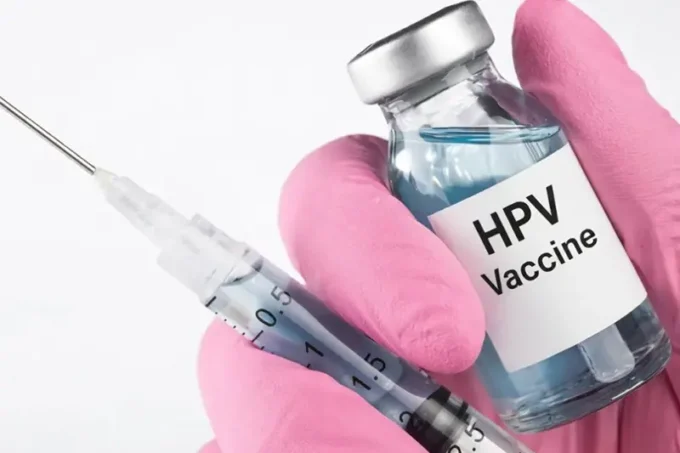
With cervical cancer being largely preventable, WHO targets for its elimination as a public health problem with each Member country. Reaching the interim targets of vaccinating 90% of girls with the HPV vaccine by the age of 15; screening 70% of women using a high-performance test by the age of 35, and again by the age of 45; and treating 90% of women with pre-cancer and 90% of women with invasive cancer by 2030.

The Region guided by the Regional implementation framework on eliminating cervical cancer. As a public health problem 2021–2030 and the WHO South-East Asia Regional Strategy for comprehensive cancer prevention and management 2024–2030.

Several countries in the Region have made commendable strides in addressing cervical cancer. Bhutan’s health flagship project leading to attainment of the 2030 interim targets. Indonesia’s dedicated national plan for cervical cancer and high programmatic coverage for human papillomavirus (HPV) vaccination. Thailand’s Cancer Anywhere program providing free of cost care for cervical cancer at any institution convenient for the patient are some examples of effective strategies.

Additionally, six countries in the Region have introduced nationwide vaccination against HPV with additional two countries who have introduced HPV vaccine at subnational level. Seven countries have population-based screening for cervical cancer with varying coverage. And ten countries have availability of cancer centers or departments at tertiary level in the country.

Despite these initiatives, challenges persist. Vaccine supply shortages rendered less coverage of vaccination in some of the countries with existing programs. Whereas the high vaccine cost hindered initiation of nationwide vaccination in other countries. Radiation therapy services are suboptimal, and there are significant gaps in availability and access to palliative care services.

On this day of action, WHO brings to attention areas that have the potential to significantly boost cervical cancer elimination efforts and urges Member States to address them.

First, all countries should introduce nationwide HPV vaccination programs and increase coverage to more than 90% among adolescent girls up to age 15 years.

Single dose regimens have comparable efficacy and duration of protection as 2-dose schedule and can offer substantial program advantages by contributing to improved coverage. The countries in the Region have the potential to market shaping for HPV vaccines. Making them more affordable by contributing to development of new vaccines. Or by taking initiatives to manufacture the existing vaccines in more cost-efficient manner.

Second, the coverage of cervical cancer screening should be expanded. This can be done in phases integrating it with routine health care delivery of existing reproductive health services through primary health care system.

Investment on technology and capacity building should focus on high performance tests such as the HPV DNA based tests. And replacement of screening by visual inspection with acetic acid should be a priority.

Third, country capacity for diagnosis and management of cancers including cervical cancer should be strengthened by implementing cervical cancer management guidelines. Strengthening pathology and surgical capacity, improving access to radiotherapy and chemotherapy, and strengthening referral pathways. Cervical cancer screening and management should be included in universal health coverage benefit packages. Palliative care, psychosocial support to patient and families, end-of-life care. And survivorship care must included as integral part of comprehensive cancer care.

Read Also – Climate Change Could Cause 60% Surge in Dengue Cases by 2050: Study Warns

Our fight against this is a shared responsibility. We all – the policy makers, frontline health workers, civil society, partners, and communities – must work together to achieve the goals and interim targets for it’s elimination initiative by 2030. On this Cervical Cancer Elimination Day of Action. Let us reaffirm our commitment to ensuring that every girl and woman in our region has access to these life-saving interventions.


Share

Leave a comment

Leave a Reply

Your email address will not be published. Required fields are marked *

Don't Miss

Air Pollution
Health News

Delhi Chokes Under Toxic Air: Schools Shut, Offices Go Work From Home — How to Stay Safe

New Delhi, 23 December, 2025: Delhi once again finds itself gasping for breath as air pollution levels surge to hazardous levels, pushing authorities...

Colorectal cancer
Latest News

Cervical Cancer Awareness Month 2026: Screening Tips Every Woman Should Know

Cervical cancer is one of the most preventable forms of cancer, yet it remains a leading cause of cancer-related deaths among women globally....

Bird Flu
Latest News

Bird Flu Alert: How to Protect Yourself Without Panicking

Bird flu, also known as avian influenza, is a viral infection primarily affecting birds but capable of infecting humans in rare cases. The...

Latest News

Why Walking 30 Minutes a Day Can Add Years to Your Life

Walking for just 30 minutes a day is one of the simplest yet most effective ways to improve overall health, enhance longevity, and...

Latest News

5 Common Foods That Are Slowly Damaging Your Liver

The liver is one of the most vital organs in the body, responsible for detoxification, metabolizing nutrients, and regulating essential biochemical processes, and...

Section title

Related Articles
Cancer
Latest News

Immunotherapy vs Chemotherapy: Which Cancer Treatment Works Better?

Cancer treatment has evolved rapidly over the past few decades, offering patients...

The Nipah virus is considered one of the deadliest zoonotic infections globally, not because it spreads rapidly like influenza or COVID-19, but because of its extremely high fatality rate, rapid progression, and severe brain involvement. Medical experts warn that once symptoms escalate, the disease can turn fatal within days. According to available data, the case fatality rate of Nipah virus ranges between 50 and 75 per cent, placing it among the most lethal viral infections known to humans. In this explainer, Dr Dip Narayan Mukherjee, Consultant – Microbiology and Infectious Diseases, CK Birla Hospitals, CMRI, sheds light on why the virus is so dangerous and difficult to control. Why Is the Nipah Virus So Deadly? According to Dr Mukherjee, Nipah’s lethality lies in a combination of delayed symptom recognition, aggressive disease progression, and early involvement of the brain. “Nipah virus often begins with very non-specific symptoms, which makes early detection difficult. By the time it is clinically suspected, the virus may have already affected the brain,” he explains. Early Symptoms Often Go Unnoticed One of the biggest challenges in controlling Nipah virus is that its initial symptoms closely resemble common viral illnesses, leading to delays in diagnosis and isolation. Early symptoms include: Fever Headache Cough Muscle pain General weakness “These symptoms are easily mistaken for flu, viral fever, or respiratory infections,” says Dr Mukherjee. “This delay gives the virus time to progress silently.” Severe Brain Infection Drives High Mortality The most dangerous aspect of Nipah virus infection is its neurological involvement. The virus frequently causes encephalitis, or inflammation of the brain, which significantly increases the risk of death. Neurological symptoms may include: Seizures Confusion and altered consciousness Extreme drowsiness Coma “Once the central nervous system is involved, the disease becomes very difficult to manage,” Dr Mukherjee notes. “At this stage, treatment is largely supportive because there is no specific antiviral therapy available.” This lack of targeted treatment options makes early detection critical. Human-to-Human Transmission Raises Risk While Nipah virus is primarily transmitted from fruit bats, it can also spread from person to person, particularly in healthcare settings. Dr Mukherjee points out that: Caregivers and healthcare workers are at higher risk Exposure to high viral loads can worsen outcomes Inadequate infection control increases transmission risk “Strict adherence to infection control practices is essential. Even a small lapse can result in secondary infections,” he says. Zoonotic Nature Makes Exposure Hard to Predict Nipah virus is transmitted from fruit bats, either directly or through intermediate hosts such as pigs. This zoonotic pattern makes outbreaks unpredictable, especially in regions where humans, animals, and wildlife interact closely. Adding to the challenge: There is no approved vaccine Treatment options remain limited Isolation protocols must be strictly enforced What Can Reduce Nipah Fatalities? According to experts, early action remains the most effective defence against Nipah virus. Key measures include: Early isolation of suspected cases Strict use of personal protective equipment (PPE) Rapid escalation and referral to specialised centres Strong hospital infection control protocols “The earlier the virus is identified and contained, the better the chances of preventing severe disease and fatalities,” Dr Mukherjee emphasises. The Bottom Line Nipah virus continues to be a serious public health threat because of its high fatality rate, neurological complications, and lack of targeted treatment. Its ability to masquerade as a mild illness in the early stages makes vigilance crucial. Health experts stress that awareness, early suspicion, and strict infection control are currently the most powerful tools to reduce deaths linked to this deadly virus. As Dr Mukherjee concludes, “With Nipah, time is the most critical factor. Early recognition can save lives.”
Latest News

Why Nipah Virus Has a High Fatality Rate: Factors Affecting Disease Severity

The Nipah virus is widely regarded as one of the deadliest zoonotic...

Latest News

Stroke Risk in India: Symptoms and Urgent Action Steps

Stroke is a leading cause of death and disability in India, yet...

Latest News

Silent Struggle: Over 15 Million Indians Live with Epilepsy, Experts Stress Early Diagnosis and Care

Epilepsy, a neurological disorder that causes recurrent seizures, affects more than 15...

×