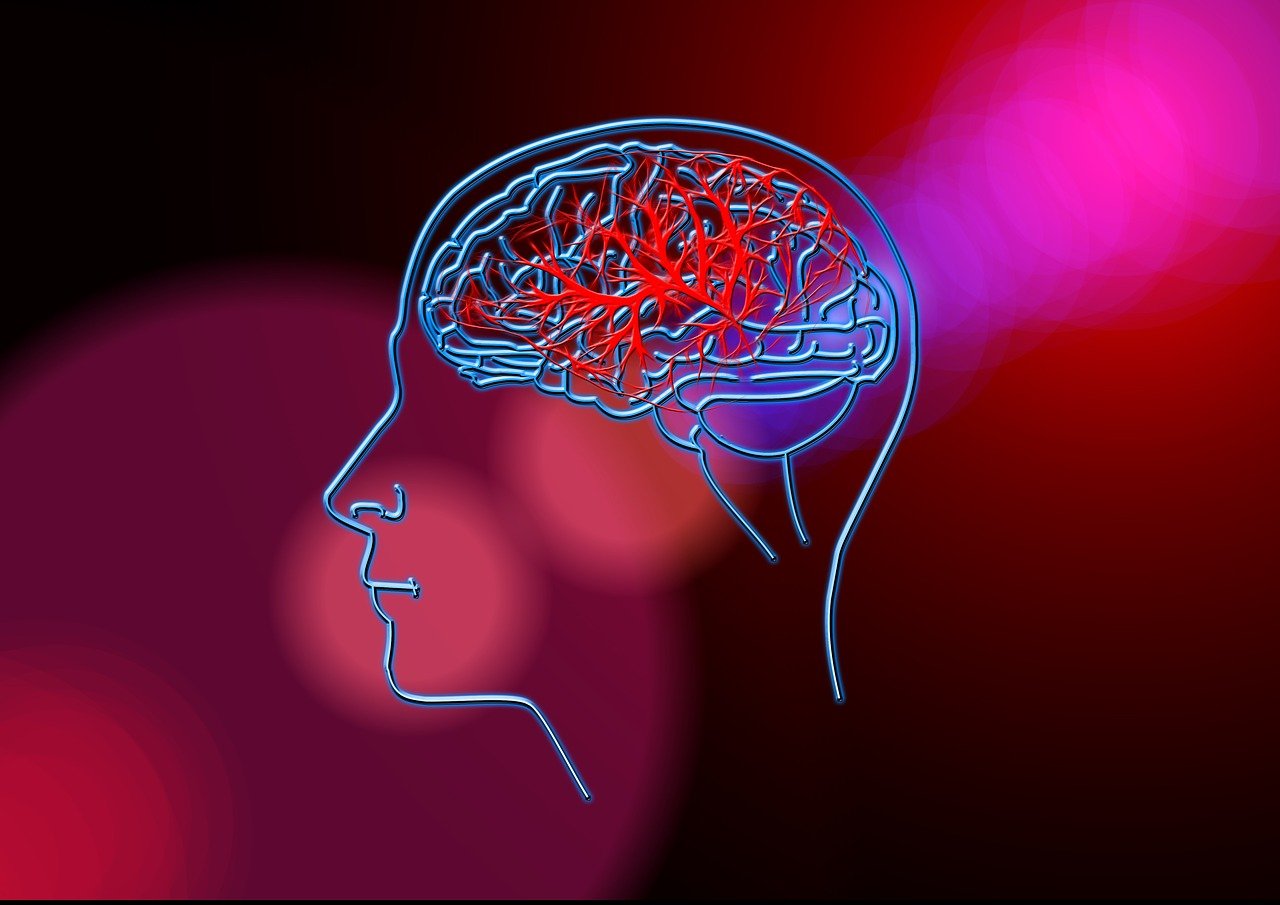
Stroke is a leading cause of death and disability in India, yet many people fail to recognize its warning signs until it is too late. A stroke occurs when blood flow to a part of the brain is interrupted, either due to a blocked artery (ischemic stroke) or bleeding in the brain (hemorrhagic stroke). Rapid recognition and immediate medical intervention can save lives and prevent long-term disability, making awareness of risk factors and symptoms critical.
Understanding Stroke Risk in India
Several factors contribute to the high prevalence of stroke in India:
- Hypertension: High blood pressure is the single most significant risk factor.
- Diabetes and obesity: These metabolic conditions increase stroke likelihood.
- High cholesterol: Excess cholesterol can lead to clogged arteries.
- Lifestyle factors: Smoking, excessive alcohol consumption, sedentary habits, and unhealthy diets elevate risk.
- Age and family history: Older adults and those with a family history of stroke are at higher risk.
- Cardiac conditions: Atrial fibrillation, heart disease, or previous heart attacks increase the probability of stroke.
Understanding personal risk factors is crucial for early prevention.
Early Warning Signs of Stroke
Stroke often strikes suddenly, and recognizing early symptoms can make the difference between recovery and permanent disability. The most common warning signs include:
- Sudden numbness or weakness: Particularly on one side of the body, affecting the face, arm, or leg.
- Confusion or trouble speaking: Difficulty finding words, slurred speech, or understanding speech.
- Vision problems: Sudden trouble seeing in one or both eyes.
- Severe headache: A sudden, intense headache without a known cause, often accompanied by dizziness.
- Loss of balance or coordination: Trouble walking, dizziness, or lack of coordination.
- Difficulty swallowing: Trouble in swallowing or choking on liquids.
Remembering the acronym FAST can help identify stroke quickly: Face drooping, Arm weakness, Speech difficulty, Time to call emergency services.
Immediate Action Steps
Time is critical when dealing with a stroke. Immediate action can reduce brain damage and improve recovery outcomes:
- Call emergency services immediately: Rapid hospital care is essential. In India, dial 108 or go to the nearest stroke-capable hospital.
- Note the time of symptom onset: This information is crucial for treatment decisions.
- Do not drive yourself: Emergency medical personnel can provide initial care en route.
- Keep the patient calm and comfortable: Avoid giving food or drink until evaluated by a doctor.
- Follow medical advice promptly: Early interventions such as clot-busting drugs or surgery are most effective when administered quickly.
Quick response saves brain tissue, reduces complications, and increases the likelihood of functional recovery.
Preventive Measures
Reducing stroke risk involves a combination of lifestyle modifications and medical management:
- Control blood pressure and diabetes: Regular monitoring and medication adherence are essential.
- Maintain healthy cholesterol levels: Eat a balanced diet low in saturated fats and processed foods.
- Exercise regularly: At least 30 minutes of moderate physical activity most days of the week.
- Avoid tobacco and limit alcohol: Both increase stroke and cardiovascular risk.
- Regular health check-ups: Screening for heart conditions, clotting disorders, and metabolic risk factors.
- Manage stress and sleep: Chronic stress and poor sleep contribute to vascular problems.
Preventive measures are particularly important for high-risk groups such as older adults and people with pre-existing conditions.
Stroke is a major but preventable health threat in India. Recognizing early symptoms, understanding personal risk factors, and acting immediately can save lives and reduce long-term disability. Awareness campaigns, routine health monitoring, and healthy lifestyle choices are crucial for minimizing the burden of stroke. The key message: FAST recognition and urgent medical care can make the difference between recovery and permanent damage.