

New Delhi, 22nd September, 2025: Winter can be harsh on your hair. The dry, cold air, indoor heating, and reduced moisture levels can lead to brittle strands, scalp dryness, and hairfall. Many people turn to natural oils to combat winter hair damage, with castor oil and coconut oil being two of the most popular choices. But which oil is better for promoting hair growth, preventing hairfall, and keeping your scalp healthy during winter?
In this article, we’ll explore the benefits of castor oil and coconut oil, compare their properties, discuss how they work, and provide practical tips to choose the right one for your hair type and needs.
Understanding Winter Hairfall
Before discussing oils, it’s important to understand why hairfall increases during winter:
- Dry Scalp: Cold air strips natural oils from the scalp, causing dryness and flakiness.
- Brittle Hair: Low humidity makes hair strands weak and prone to breakage.
- Reduced Blood Circulation: The scalp may get less blood flow in cold weather, slowing hair growth.
- Vitamin Deficiency: Lack of sunlight can reduce vitamin D, which plays a role in hair growth.
Using natural oils can help restore moisture, nourish hair follicles, and improve overall scalp health.
Castor Oil for Hair Growth
What is Castor Oil?
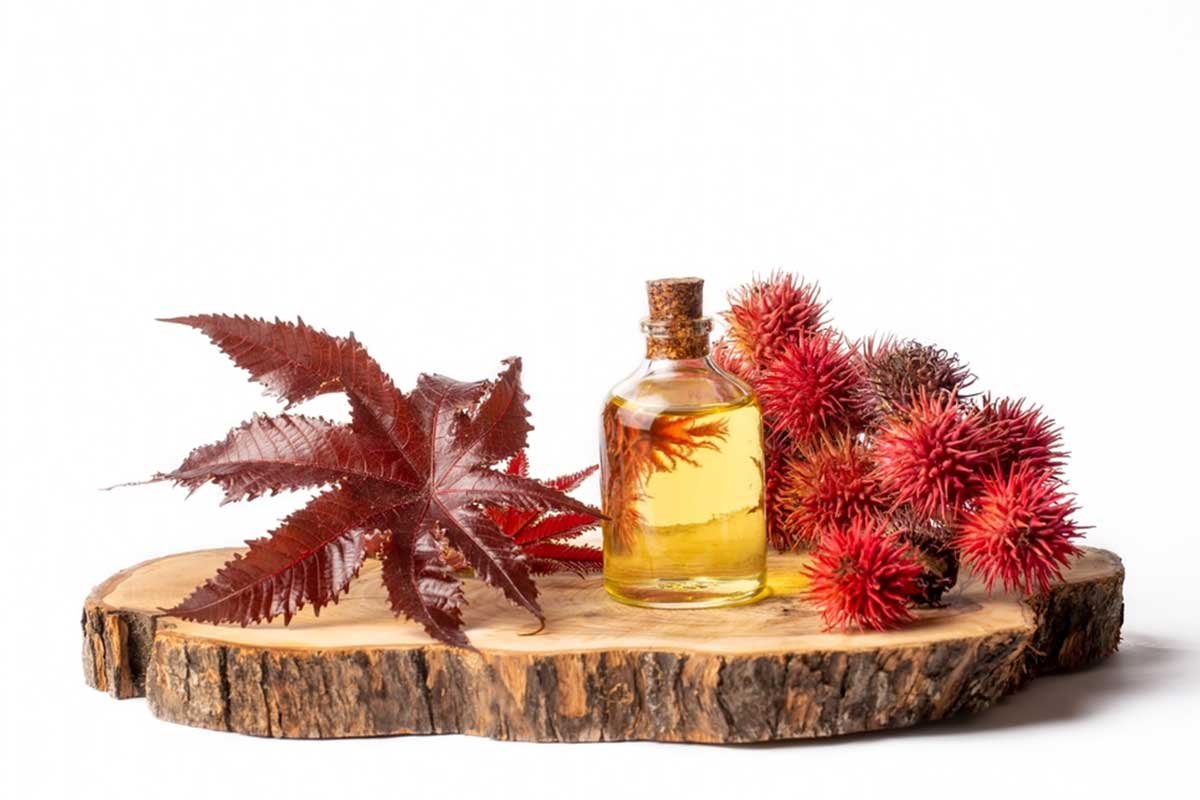
Castor oil is a thick, viscous oil extracted from the seeds of the castor plant. It is rich in ricinoleic acid, omega-6 fatty acids, and vitamin E, all of which contribute to hair and scalp health.
Benefits of Castor Oil for Winter Hairfall
- Strengthens Hair Roots: Ricinoleic acid penetrates the scalp to nourish hair follicles, reducing hairfall.
- Improves Blood Circulation: Massaging castor oil into the scalp can stimulate blood flow, promoting hair growth.
- Moisturizes Dry Scalp: Castor oil forms a protective layer that locks in moisture, preventing winter dryness.
- Antimicrobial Properties: Helps fight scalp infections and dandruff, common during cold months.
- Thicker Hair: Regular use can make hair appear fuller and stronger over time.
How to Use Castor Oil for Hair Growth
- Apply warm castor oil directly to the scalp.
- Massage gently for 5–10 minutes to boost blood circulation.
- Leave it on for 1–2 hours or overnight for deep nourishment.
- Wash off with a mild shampoo to remove the thick oil.
- Repeat 1–2 times per week for best results.
Tips:
- Mix castor oil with lighter oils like coconut or almond oil to reduce its thickness and improve spreadability.
- Avoid excessive use, as castor oil is very dense and can make hair greasy if over-applied.
Coconut Oil for Hair Growth
What is Coconut Oil?
Coconut oil is a light, easily absorbed oil derived from the kernel of mature coconuts. It contains medium-chain fatty acids, primarily lauric acid, which penetrates the hair shaft and provides nourishment from within.
Benefits of Coconut Oil for Winter Hairfall
- Prevents Protein Loss: Coconut oil reduces hair protein loss, keeping strands strong and less prone to breakage.
- Moisturizes Hair and Scalp: Its light texture helps maintain hydration without heaviness.
- Reduces Split Ends: Regular application strengthens hair ends and prevents split ends.
- Antifungal and Antibacterial: Keeps the scalp healthy, reducing dandruff and itchiness.
- Adds Shine: Coconut oil smooths hair cuticles, giving hair a natural shine even in dry winter conditions.
How to Use Coconut Oil for Hair Growth
- Warm the coconut oil slightly before application.
- Massage into the scalp for 5–10 minutes.
- Spread the oil evenly along the hair shaft to prevent dryness and split ends.
- Leave it on for 1–3 hours or overnight.
- Wash thoroughly with a gentle shampoo.
- Use 2–3 times per week for best results.
Tips:
- Combine coconut oil with essential oils like rosemary or peppermint to stimulate hair growth.
- Use fractionated coconut oil for lighter application if your hair is fine or oily.
Castor Oil vs Coconut Oil: Key Differences
| Feature | Castor Oil | Coconut Oil |
|---|---|---|
| Texture | Thick, viscous | Light, easily absorbed |
| Key Nutrients | Ricinoleic acid, omega-6, vitamin E | Lauric acid, medium-chain fatty acids, vitamin E |
| Scalp Benefits | Stimulates circulation, reduces hairfall | Moisturizes, prevents protein loss, fights dryness |
| Hair Growth Support | Excellent for follicle stimulation | Supports overall hair strength |
| Ease of Use | Can be sticky, may need mixing | Easy to apply, spreads well |
| Best For | Thinning hair, bald patches, dry scalp | All hair types, preventing breakage and dryness |
Summary:
- Castor oil is ideal for people dealing with hair thinning, patchy bald spots, or slow growth.
- Coconut oil is great for maintaining hair health, preventing winter breakage, and keeping hair hydrated and shiny.
Combining Castor Oil and Coconut Oil
Many hair experts recommend mixing castor oil with coconut oil for the best of both worlds:
- Coconut oil reduces the thickness of castor oil for easier application.
- Both oils together nourish the scalp, strengthen hair, and prevent dryness.
- Ratio suggestion: 1 part castor oil to 2 parts coconut oil.
Additional Tips to Manage Winter Hairfall
- Stay Hydrated: Drink plenty of water to prevent dryness from within.
- Eat a Nutrient-Rich Diet: Include protein, vitamins (A, C, D, E), and minerals like zinc and iron.
- Avoid Heat Styling: Limit hair dryers, straighteners, and curling irons.
- Use Gentle Shampoo: Avoid harsh shampoos that strip natural oils.
- Regular Scalp Massage: Stimulates blood flow and improves oil absorption.
- Protect Hair Outdoors: Wear a scarf or cap in cold, windy weather.
How to Choose the Right Oil
- For Patchy Hair Loss: Castor oil or castor+coconut mix.
- For Dry, Brittle Hair: Coconut oil alone works well.
- For Scalp Health & Dandruff: Coconut oil with a few drops of tea tree or peppermint oil.
- For Hair Growth Boost: Massage with castor oil 1–2 times weekly, combined with a balanced diet and reduced heat styling.
Both castor oil and coconut oil have unique benefits for hair growth and winter hairfall management.
- Castor oil is more potent for stimulating hair growth, treating bald patches, and strengthening roots.
- Coconut oil excels in preventing dryness, breakage, and maintaining overall hair health.
For optimal results during winter, a combination of both oils – along with regular scalp care, proper nutrition, and hydration—can help reduce hairfall, promote healthy growth, and restore hair vitality.
By choosing the right oil and using it consistently, you can protect your hair from the harsh winter elements and keep it thick, strong, and shiny all season long.

















Leave a comment