

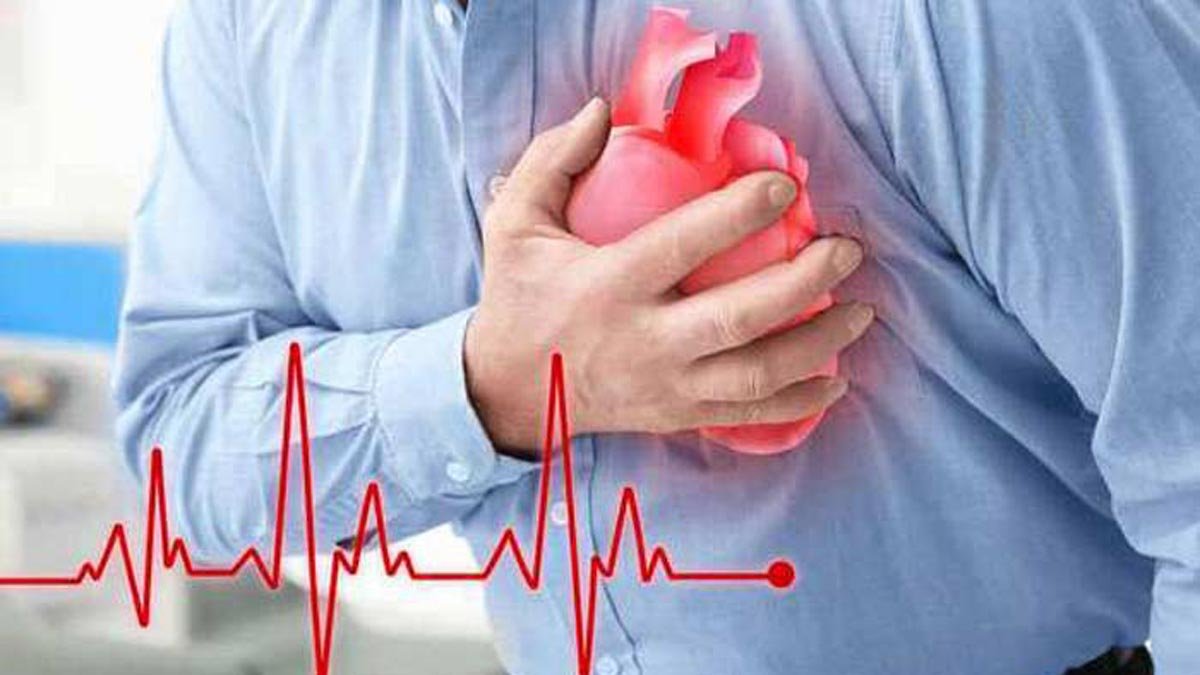
New Delhi, October 27: Heart attack is a leading cause of death across the globe, making it vital to seek out new ways to diagnose it effectively. Recently, there’s been a growing interest in using urine tests for early heart attack detection. This article examines why these tests are gaining traction, how they work, and what experts in the field think about their effectiveness in spotting heart issues.
Urine Test for Detecting Heart Attack: Does It Work?
One of the main advantages of urine tests as a method for diagnosing heart attack is that they are non-invasive. Unlike traditional approaches, such as blood tests and imaging, urine tests are easier and less uncomfortable. Urine has the potential to deliver significant biochemical insights reflecting our body’s health, particularly in terms of heart function.
Heart Attack: How Do Urine Tests Work?
Urine tests focus on identifying specific biomarkers—substances in urine that signal potential heart disease. Researchers are currently examining various proteins, metabolites, and other compounds in urine that may be associated with heart health. By catching these biomarkers early on, it’s possible to intervene sooner and reduce the risk of serious health issues.
What Are Experts Saying? Insights from Medical Professionals
Many cardiologists and nephrologists are hopeful about the possibilities urine tests present for heart disease detection. Preliminary studies are showing there is promise in certain urinary biomarkers that could predict heart failure and other cardiovascular problems. Dr. Jane Smith, a noted cardiologist, emphasizes, “If we can develop a reliable urine test, it could change how we screen for heart diseases, particularly among those at higher risk.”
The Importance of Early Detection
Spotting heart disease early is critical for effective treatment and management. By detecting risk factors and underlying conditions sooner, healthcare providers can recommend lifestyle changes, medications, or other interventions that can help lower risks. Urine tests could act as a primary screening tool, facilitating earlier referrals to specialists and more thorough evaluations.
Research is actively identifying specific urinary biomarkers linked to heart disease. Studies are looking into various compounds, such as microRNAs and unique proteins, that might indicate cardiovascular health. Additionally, efforts are being made to standardize how urine is collected and analyzed, ensuring consistent and reliable results.
What Are The Limitations of Urine Tests?
Even with their potential advantages, there are hurdles to overcome before urine tests become standard for heart disease diagnostics. A key challenge is the need for further validation of the biomarkers; not all are exclusive to heart conditions, and their presence may be affected by other health factors. Experts stress the necessity for extensive clinical trials to validate the reliability and accuracy of urine tests before they can be widely adopted.
Urine Testing in Cardiology: What Future Awaits For Us?
Looking forward, the potential for urine testing in the field of cardiology is bright. As research continues, there’s hope that urine tests will become an everyday part of cardiovascular screenings. This transition could usher in a new era of personalized medicine, tailoring treatments based on individual risk factors uncovered via non-invasive tests.
To end with, urine tests show considerable promise for the early identification of heart disease. While there are still challenges to address, ongoing research and expert opinions suggest that these tests could significantly alter the landscape of cardiovascular diagnostics. As we venture deeper into innovative health monitoring techniques, urine tests may lead to a more proactive healthcare model, ultimately benefiting those at risk of heart disease. The medical community is keenly awaiting future studies that could enhance outcomes for patients facing heart health challenges.

















Leave a comment