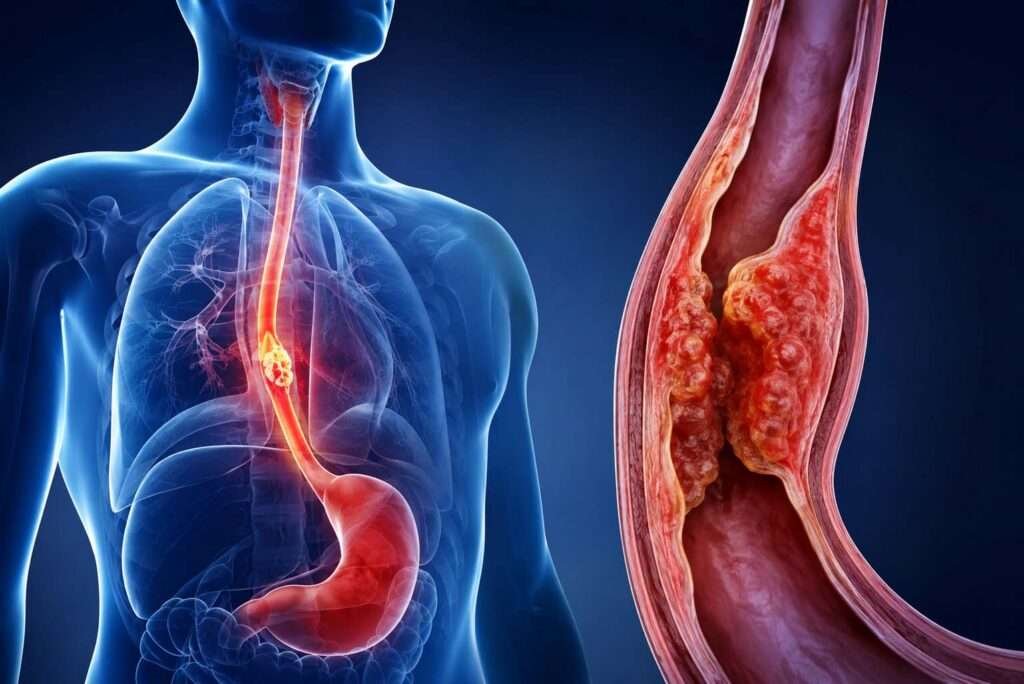
Frequent acidity, heartburn and acid reflux are often dismissed as common digestive problems, particularly after spicy meals, excessive tea or coffee, or irregular eating habits. While occasional acid reflux is usually harmless, persistent or worsening symptoms should not always be ignored. In some cases, ongoing heartburn and indigestion can be associated with oesophageal cancer, a malignancy that affects the food pipe connecting the throat to the stomach.
However, acidity alone does not mean someone has cancer. Understanding the difference between routine acid reflux and symptoms that require medical investigation is important for early diagnosis.
Can Acid Reflux Be An Early Symptom Of Oesophageal Cancer?
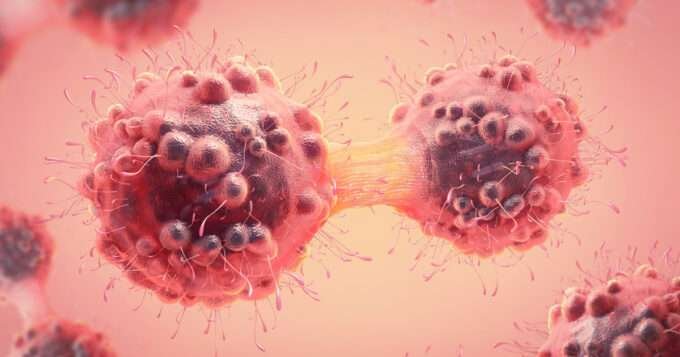
Oesophageal cancer develops in the cells lining the oesophagus. It can occur in different forms, including squamous cell carcinoma and adenocarcinoma.
Persistent heartburn and acid reflux can sometimes occur in people with oesophageal cancer. However, these symptoms are also extremely common in gastro-oesophageal reflux disease (GERD), where stomach acid repeatedly flows back into the oesophagus.
According to medical research, long-standing GERD can cause repeated inflammation and damage to the oesophageal lining. In some individuals, this may lead to Barrett’s oesophagus, a condition in which the normal lining of the oesophagus changes. Barrett’s oesophagus increases the risk of oesophageal adenocarcinoma, although most people with Barrett’s oesophagus do not develop cancer.
Therefore, persistent reflux deserves medical attention, particularly when accompanied by new or unusual symptoms.
How Can You Distinguish Routine Acidity From Warning Signs?
Routine acid reflux generally causes a burning sensation in the chest, sour or bitter taste in the mouth and occasional regurgitation. Symptoms may become worse after eating, lying down or bending forward.
However, certain changes should prompt further investigation.
Watch out for these warning signs:
- Difficulty swallowing: Food may feel stuck in the throat or chest, initially with solid foods and sometimes progressing to liquids.
- Pain while swallowing: Persistent discomfort or pain when eating or drinking requires medical evaluation.
- Unexplained weight loss: Losing weight without changing diet or exercise habits can indicate an underlying health problem.
- Persistent heartburn: Acidity that does not improve with usual treatment or keeps returning needs investigation.
- Frequent vomiting: Repeated vomiting, particularly after meals, should not be ignored.
- Persistent chest discomfort: Pain behind the breastbone, particularly when swallowing, warrants medical assessment.
- Blood in vomit or black stools: These can indicate bleeding in the gastrointestinal tract and require urgent medical attention.
These symptoms do not automatically indicate cancer, but they should not be attributed to routine acidity without evaluation.
Who Is At Higher Risk Of Oesophageal Cancer?
Several factors can increase the risk of developing oesophageal cancer. These include tobacco consumption, alcohol use, obesity, long-standing GERD and Barrett’s oesophagus.
The risk also varies according to the type of cancer. Tobacco and alcohol are important risk factors for oesophageal squamous cell carcinoma, while chronic acid reflux and Barrett’s oesophagus are particularly associated with oesophageal adenocarcinoma.
A family history of oesophageal cancer and certain pre-existing oesophageal conditions may also influence individual risk.
When Should You Get An Endoscopy?
Doctors may recommend an upper gastrointestinal endoscopy when patients experience persistent reflux symptoms, particularly when warning signs are present.
During the procedure, a thin flexible tube with a camera is passed through the mouth to examine the oesophagus, stomach and upper part of the small intestine. If an abnormal area is identified, a tissue sample or biopsy may be collected for laboratory examination.
Endoscopy is particularly important when patients report difficulty swallowing, painful swallowing, unexplained weight loss, gastrointestinal bleeding, persistent vomiting or unexplained anaemia.
Can Oesophageal Cancer Be Prevented?
Not every case of oesophageal cancer can be prevented, but certain lifestyle changes may help reduce risk.
Maintaining a healthy weight, avoiding tobacco, limiting alcohol consumption and managing chronic acid reflux can support oesophageal health. People with persistent GERD should seek medical advice rather than relying on frequent self-medication with antacids.
Ultimately, occasional acidity is common and rarely indicates cancer. However, persistent or worsening reflux, especially when accompanied by difficulty swallowing, unexplained weight loss or bleeding, should never be dismissed as ordinary indigestion. Recognising these warning signs and seeking timely medical evaluation can help identify serious conditions earlier.