

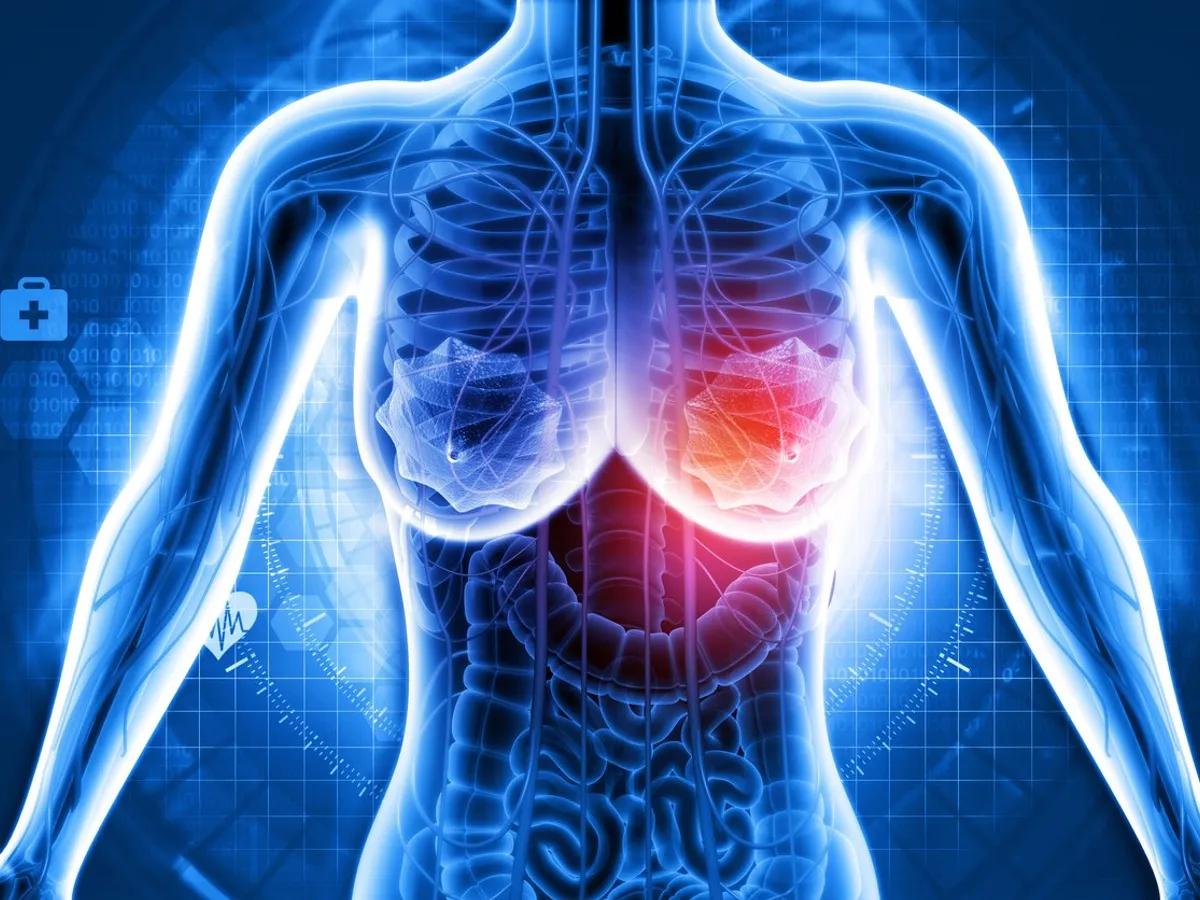
Breast cancer is a leading cause of cancer-related deaths among women in India. According to recent statistics, 16% of women aged 55-64 are at risk of developing this disease. This alarming figure underscores the urgent need for increased awareness, early detection, and effective treatment initiatives to combat this silent threat.
The Growing Burden of Breast Cancer
The incidence of breast cancer in India has been on the rise in recent years. Several factors contribute to this trend, including:
Increasing Lifespan: As life expectancy increases, more women are reaching the age at which breast cancer is most likely to develop.
Urbanization and Lifestyle Changes: The shift towards more urbanized lifestyles, with associated changes in diet, physical activity, and exposure to environmental pollutants, can increase the risk of breast cancer.
Genetic Factors: While most cases of breast cancer are not directly linked to genetics, certain genetic mutations can increase susceptibility to the disease.
Lack of Awareness and Early Detection: Many women in India are unaware of the signs and symptoms of breast cancer, and early detection remains a challenge due to limited access to healthcare facilities and screening programs.
Signs and Symptoms of Breast Cancer
Early detection of breast cancer is crucial for successful treatment. Women should be aware of the following signs and symptoms:
Lump or thickening in the breast or underarm
Change in the size, shape, or texture of the breast.
Nipple discharge (other than breast milk)
Dimpling, puckering, or wrinkling of the skin on the breast.
Redness or swelling of the breast
Pain in the breast or underarm
Risk Factors for Breast Cancer
Several factors can increase a woman’s risk of developing breast cancer, including:
— Age: The risk of breast cancer increases with age.
— Family History: Having a close relative with breast cancer can increase your risk.
— Genetics: Certain genetic mutations, such as BRCA1 and BRCA2, can significantly increase the risk of breast cancer.
Hormone-Related Factors: Early menarche, late menopause, or using hormone replacement therapy can increase the risk.
Lifestyle Factors: Obesity, smoking, alcohol consumption, and lack of physical activity can also increase the risk.
Early Detection and Prevention
Early detection and prevention are key strategies for combating breast cancer in India. Regular breast self-examinations, clinical breast examinations, and mammograms are essential tools for detecting breast cancer at an early stage.
In addition to early detection, lifestyle changes can help reduce the risk of breast cancer. Maintaining a healthy weight, exercising regularly, eating a balanced diet, limiting alcohol consumption, and avoiding smoking are important preventive measures.
Treatment Options
The treatment for breast cancer depends on the stage of the disease and the patient’s overall health. Common treatment options include:
1. Surgery: Surgical removal of the tumor, either alone or in combination with other treatments.
2. Chemotherapy: The use of drugs to kill cancer cells.
3. Radiation Therapy: The use of high-energy rays to kill cancer cells.
4. Hormone Therapy: The use of hormones to block the growth of cancer cells.
5. Targeted Therapy: The use of drugs that target specific molecules involved in the growth and survival of cancer cells.
Challenges and Opportunities
Despite significant progress in breast cancer treatment, challenges remain in India. Limited access to healthcare facilities, particularly in rural areas, can hinder early detection and access to treatment. Financial constraints can also be a barrier for many women.
Read Also – Murine Typhus In India: 7 Things to Know About This Rare Bacterial Infection
However, there are also opportunities for progress. Increased awareness campaigns, improved access to screening programs, and advancements in treatment options can help improve outcomes for women with breast cancer in India.

















Leave a comment