Home Health News Bird Flu Death: Understanding the H5N1 Virus and Its Implications
Health News

Bird Flu Death: Understanding the H5N1 Virus and Its Implications

Share
Bird Flu
H5N1
Share

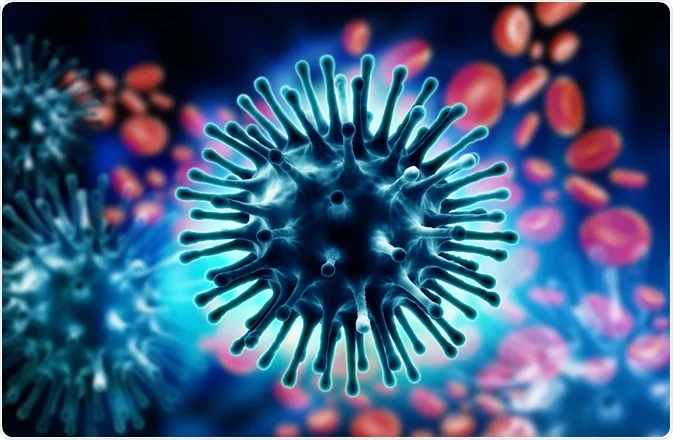
New Delhi, 11 January 2025: The recent death caused by the H5N1 virus, commonly known as bird flu, has raised alarm bells about this highly pathogenic avian influenza strain. Known for its ability to infect birds and, in rare cases, humans, H5N1 has been on the radar of global health authorities for decades due to its potential to cause severe disease and high mortality rates in humans. Here’s what you need to know about the virus and its implications.

What Is H5N1?

H5N1 is a subtype of the influenza A virus, primarily affecting birds but occasionally spreading to humans through direct or indirect contact with infected birds. Since its discovery in 1997, it has caused periodic outbreaks among poultry populations worldwide, leading to significant economic losses and concerns about its potential to spark a pandemic.

How Does It Spread to Humans?

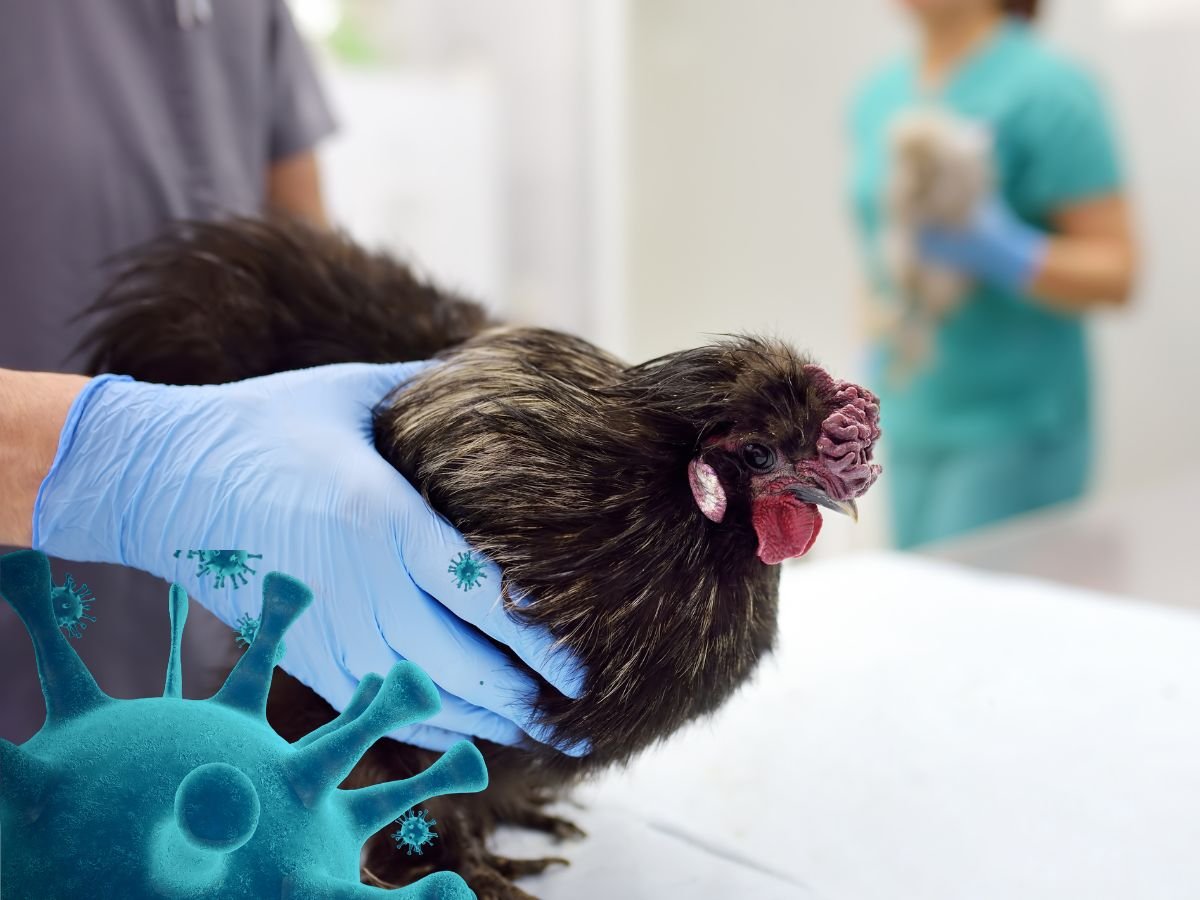
The virus does not spread easily from person to person. Most human cases result from exposure to infected birds, their droppings, or contaminated environments. Handling raw poultry or consuming undercooked poultry products from infected birds can also pose a risk.

Symptoms and Severity in Humans

Infected individuals often experience symptoms similar to seasonal influenza, such as fever, cough, sore throat, and muscle aches. However, severe cases can progress to pneumonia, acute respiratory distress syndrome (ARDS), and multi-organ failure. The mortality rate for H5N1 infections in humans is alarmingly high, exceeding 50% in documented cases.

While bird flu outbreaks are primarily contained to poultry, sporadic human infections and fatalities underscore the ongoing risk. Experts worry about the virus mutating to become more easily transmissible among humans, which could have catastrophic consequences. The recent death highlights the importance of continued vigilance and preparedness.

Preventive Measures

To minimize the risk of H5N1 infection, health authorities recommend the following precautions:

Avoid Contact with Birds: Refrain from touching live or dead birds in affected areas.

Practice Hygiene: Wash hands thoroughly after handling poultry and cook poultry products to safe temperatures.

Monitor Symptoms: Seek immediate medical attention if flu-like symptoms develop after exposure to birds.

    Global Preparedness and Response

    The World Health Organization (WHO) and other international health bodies closely monitor avian influenza outbreaks. Efforts include surveillance of poultry and wild bird populations, development of vaccines, and stockpiling antiviral medications. Governments are also encouraged to enhance biosecurity measures in the poultry industry to prevent the spread of the virus.

    The recent H5N1-related death serves as a sobering reminder of the threats posed by zoonotic diseases. While the risk of a widespread outbreak remains low for now, understanding the virus and adopting preventive measures are crucial steps in safeguarding public health. Global cooperation and sustained efforts in research and surveillance will remain key to mitigating the risks associated with the H5N1 virus.

    Share
    Written by
    kirti Shah

    Kirti is a Health Editor at Healthwire Media, specializing in health journalism and digital health communication. With over four years of experience in the healthcare media landscape, she is dedicated to transforming complex clinical data into accessible, patient-friendly information. Kirti oversees the editorial lifecycle of every article, ensuring they meet rigorous fact-checking standards and align with the latest guidelines from primary sources like the WHO and Ministry of Health. In her role, Kirti works closely with a panel of board-certified physicians and medical reviewers to ensure that every piece of content published is not only easy to understand but also medically accurate and safe for the public. She is passionate about health literacy and helping readers navigate their wellness journeys with confidence.

    Leave a comment

    Leave a Reply

    Your email address will not be published. Required fields are marked *

    Don't Miss

    Latest News

    Ebola Outbreak 2026: WHO Warns of Dangerous New Strain as Cases Rise Across Congo and Uganda

    Just when the world believed the worst years of global viral outbreaks were finally over, one of the deadliest viruses in the world...

    Latest News

    International Tea Day 2026: How Much Tea Is Safe For Consumption Daily? Expert Answers

    Tea is certainly the most treasured drink of all times. Every day millions of people drink several cups of tea, either in the...

    Latest News

    Heatwave Intensifies In India: Doctor Shares Life-Saving Hacks To Prevent The Body From Suffering Severe Effects

    During the peak summer months the temperature can rise to an unbearable level which can have serious effects on the human body causing...

    Latest News

    Poor sleep emerging as a major trigger for hypertension and metabolic disease

    Sleep is increasingly being recognized as one of the most important pillars of health, yet millions of people continue to ignore its impact...

    Latest News

    Sudden heart attacks in “healthy-looking” people worrying cardiologists

    Cardiologists are increasingly raising concerns over a disturbing trend — sudden heart attacks occurring in people who appear outwardly healthy, active, and fit....

    Section title

    Related Articles
    CardiologyHealth News

    Heatwave and Heart Attack Risk: Why Extreme Summer Temperatures Can Be Dangerous for Your Heart

    As temperatures continue to soar across many parts of India, doctors are...

    Health NewsOncology

    World Blood Cancer Day: The Silent Symptoms of Leukemia and Lymphoma People Often Miss

    Blood cancers such as leukemia, lymphoma, and myeloma are often called “silent...

    Dengue symptoms
    Health News

    World Dengue Day 2026: Why dengue is now a year-round threat in India

    World Dengue Day 2026 comes at a critical time when dengue is...

    Health News

    Eating Eggs Regularly May Help Lower Alzheimer’s Risk, New Study Suggests

    A new study suggests that eating eggs regularly may be linked to...