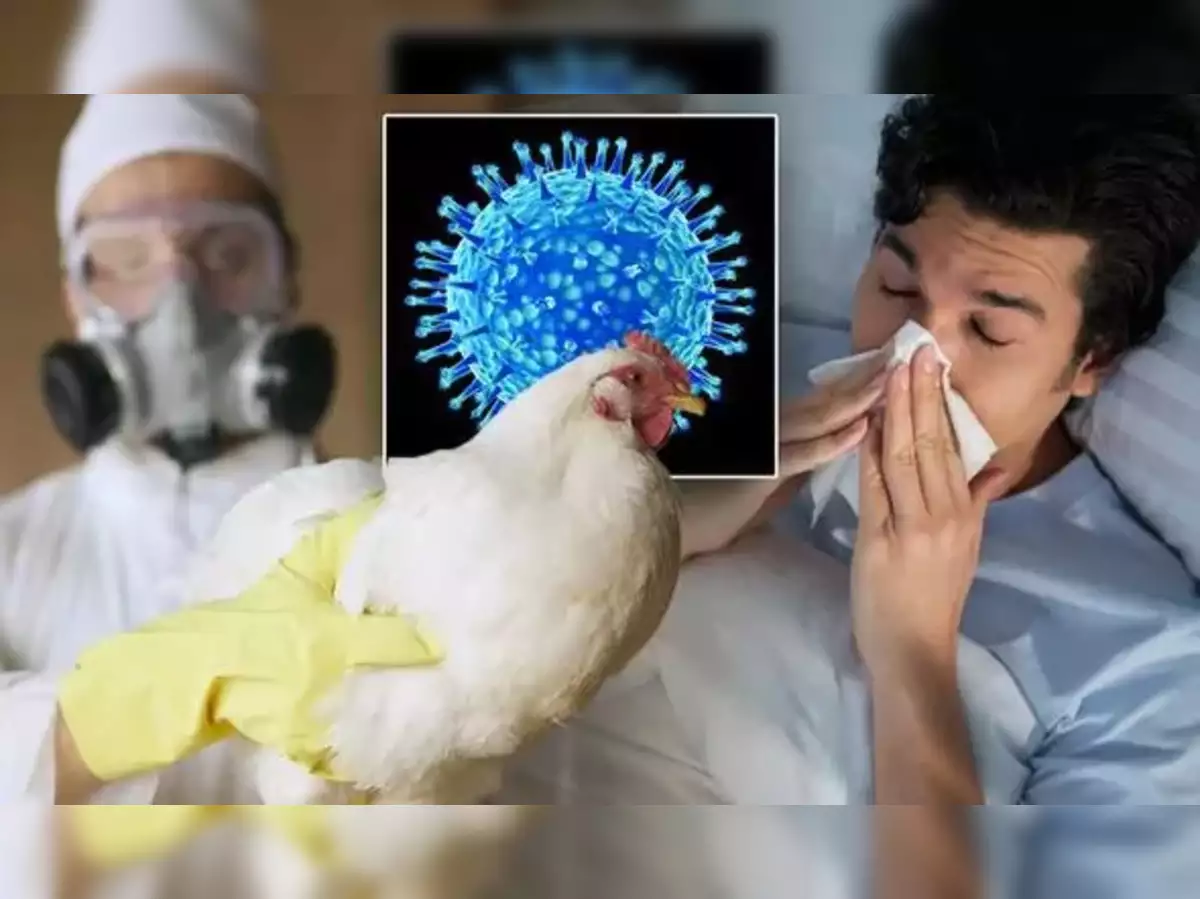
A recent breakthrough in influenza research has highlighted a nasal spray vaccine that may prevent infection from the highly pathogenic H5N1 virus, commonly known as “bird flu.” Scientists say the development could be a major step forward in protecting humans from a virus with pandemic potential. Here’s what you need to know about this promising advancement.
What Is H5N1?
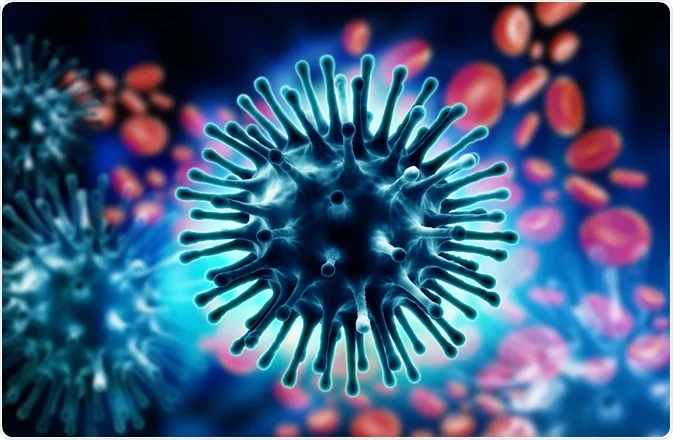
H5N1 is a strain of avian influenza that primarily affects birds but can occasionally infect humans. While human cases are rare, the virus has a high fatality rate—around 50% in confirmed cases. H5N1 infections in humans usually result from direct contact with infected birds or contaminated environments.
The virus is considered a pandemic threat because of its ability to mutate. If it develops the capacity for sustained human-to-human transmission, it could lead to a global health emergency.
How the Nasal Spray Vaccine Works
Unlike traditional injectable vaccines, the nasal spray is administered through the nose, mimicking the natural route of infection. This stimulates a strong local immune response in the respiratory tract, which is the primary entry point for the virus.
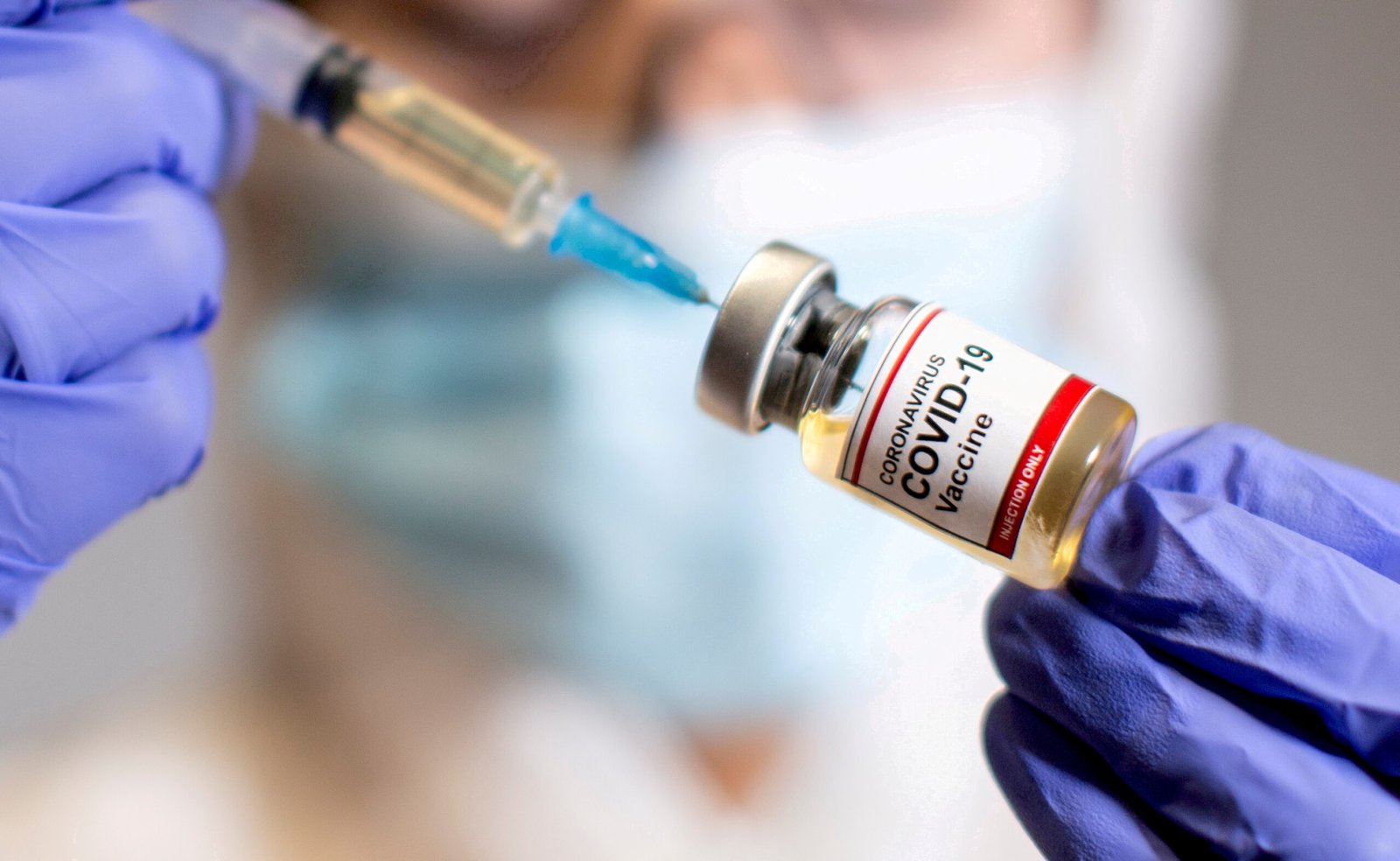
The nasal vaccine triggers both mucosal immunity—protecting the lining of the nose and throat—and systemic immunity, providing broad protection against the virus. Early studies suggest that it could prevent both infection and transmission.
Advantages of a Nasal Spray Vaccine
- Non-Invasive: No needles are required, making it easier to administer and more acceptable to populations wary of injections.
- Rapid Immune Response: Stimulates immunity directly at the site of infection.
- Potential for Mass Vaccination: Easier distribution and administration, especially during outbreaks or pandemics.
- Reduced Transmission: By preventing infection in the nasal passages, the vaccine may also limit the spread to others.
Current Status of Research
Researchers have tested the nasal spray in animal models and early-stage human trials, showing promising results in preventing H5N1 infection. While the vaccine is still under evaluation, scientists are optimistic about moving to larger clinical trials.
Regulatory approval and mass production will depend on continued safety and efficacy studies. Experts caution that while promising, it is not yet widely available and should not replace standard preventive measures for avian influenza.
Importance for Global Health
Given the high fatality rate of H5N1 and its pandemic potential, vaccines are critical in outbreak preparedness. The nasal spray vaccine represents a novel approach that could complement existing injectable vaccines, antivirals, and public health measures.
The development also highlights the need for continued research into emerging infectious diseases and innovative vaccine technologies.
What You Can Do Now
Even as vaccines are in development, public health experts recommend the following to reduce H5N1 risk:
- Avoid direct contact with poultry in regions with reported outbreaks.
- Practice good hand hygiene and disinfect surfaces.
- Report sick or dead birds to local authorities.
- Stay informed about public health advisories regarding avian influenza.
The nasal spray vaccine offers hope in the fight against H5N1, potentially changing how we prevent infection from a virus with high pandemic risk. While it’s not yet a ready-to-use tool for the public, its progress signals a promising step toward innovative, accessible influenza protection.