

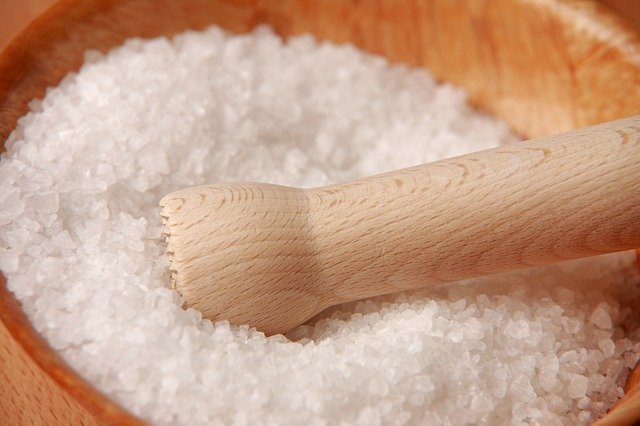
In our busy lives, it’s easy to overlook the small habits that impact our health. One such habit is our salt intake. Most of us love a bit of extra salt on our food, but did you know that too much salt can lead to serious heart problems? Let’s dive into how cutting down on salt can be a lifesaver, especially when it comes to preventing heart attacks.
Why Salt Matters?
Salt, or sodium, is essential for our bodies. It helps balance fluids, transmit nerve impulses, and supports muscle function. However, consuming too much salt can be harmful. The American Heart Association recommends no more than 2,300 milligrams of sodium per day, with an ideal limit of 1,500 milligrams for most adults. Unfortunately, many of us exceed these limits without realizing it.
Connection With The Heart
Excessive salt intake raises blood pressure, a major risk factor for heart attacks. When you eat too much salt, your body holds onto extra water to wash the salt out. This extra water increases blood volume, which means more work for your heart and higher blood pressure. Over time, high blood pressure can damage your arteries, leading to heart disease and increasing the risk of a heart attack.
Cutting Down on Salt
1. Read Labels: Packaged and processed foods are often high in salt. Check nutrition labels and choose lower-sodium options.
2. Cook at Home: Preparing your meals gives you control over the ingredients. Use herbs, spices, and lemon juice to add flavor without extra salt.
3. Limit Processed Foods: Foods like chips, canned soups, and deli meats are notorious for high salt content. Opt for fresh or frozen vegetables, lean meats, and whole grains.
4. Watch Out for Hidden Salt: Restaurant meals and takeout often contain more salt than home-cooked meals. Ask for less salt when dining out, and be mindful of sauces and dressings.
Benefits Apart From Heart Health
Reducing salt intake not only protects your heart but also benefits your overall health. Lowering salt can reduce the risk of stroke, kidney disease, and even stomach cancer. Additionally, you may find that your taste buds become more sensitive, allowing you to enjoy the natural flavors of food more fully.
Making small changes to your diet can have a big impact on your heart health. Start by cutting back on salt gradually. Your heart will thank you, and you’ll be on your way to a healthier, happier life.
By being mindful of your salt intake, you can take a significant step towards preventing heart attacks and improving your overall well-being. So, next time you reach for the salt shaker, remember that a little less salt can go a long way in keeping your heart healthy and strong.
















Leave a comment