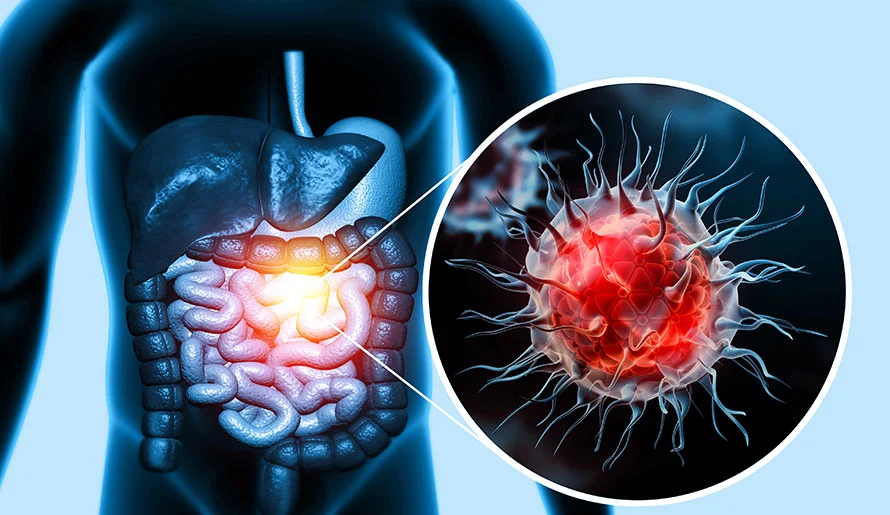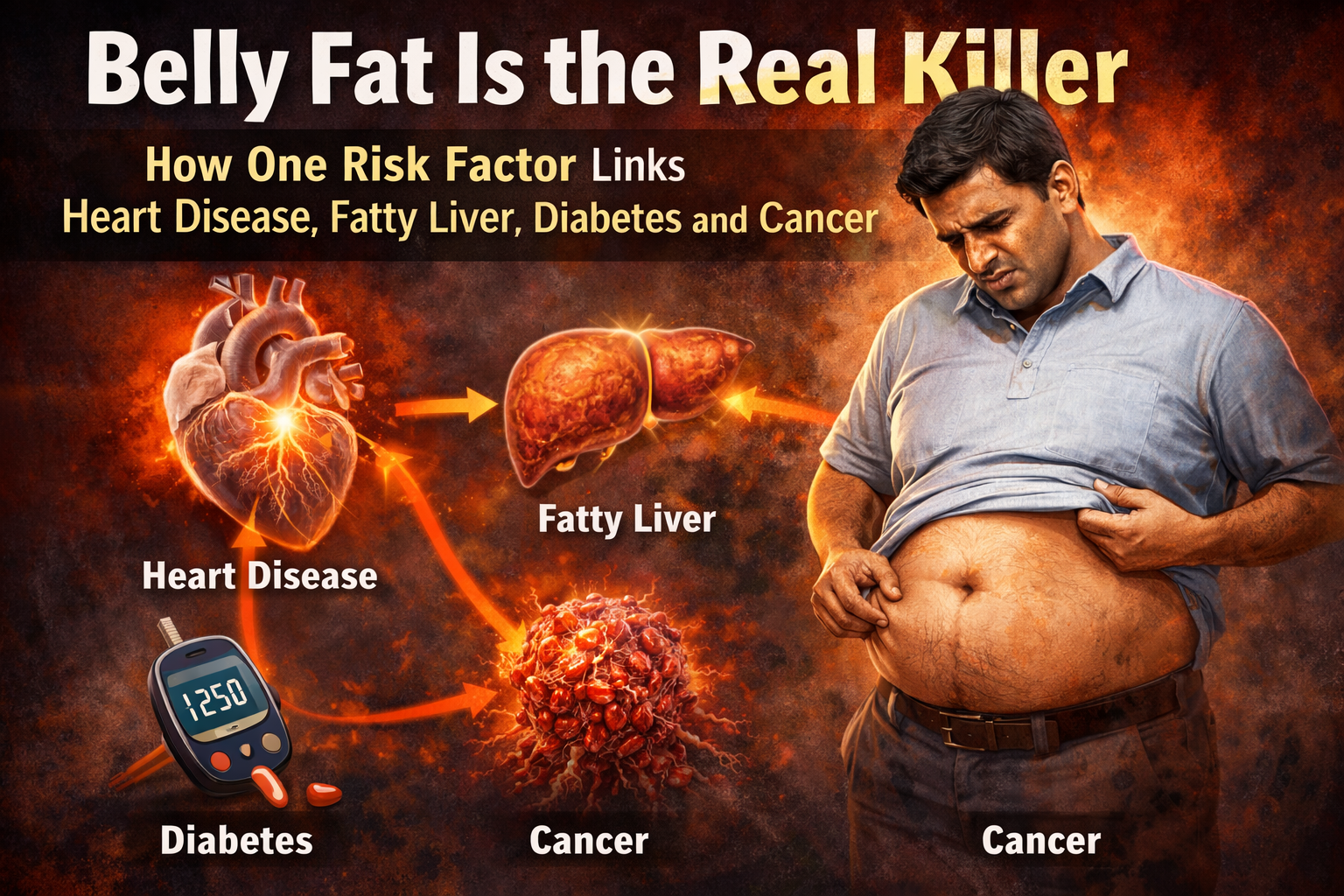
For years, excess weight has been viewed largely as a cosmetic concern. But mounting scientific evidence shows that belly fat—also known as visceral fat—is one of the most dangerous health threats of our time. Unlike fat stored under the skin, visceral fat surrounds vital organs such as the liver, pancreas, and intestines, quietly driving inflammation, hormonal disruption, and metabolic disease. This single risk factor connects some of the world’s deadliest illnesses: heart disease, fatty liver, diabetes, and even cancer.
What Makes Belly Fat So Dangerous?
Belly fat is biologically active. It behaves less like passive energy storage and more like a harmful endocrine organ. Visceral fat releases inflammatory chemicals, stress hormones, and fatty acids directly into the bloodstream. These substances interfere with insulin function, damage blood vessels, and trigger chronic low-grade inflammation throughout the body.
Even people who appear slim can carry dangerous amounts of visceral fat, making waist circumference a more reliable predictor of health risk than body weight alone.
Belly Fat and Heart Disease
One of the strongest links between visceral fat and disease is cardiovascular health. Excess abdominal fat increases:
- Bad cholesterol (LDL) and triglycerides
- Blood pressure
- Inflammation of blood vessels
These changes accelerate plaque formation in arteries, increasing the risk of heart attacks and strokes. Visceral fat also releases substances that stiffen arteries and impair blood flow, putting additional strain on the heart.
Studies consistently show that people with larger waistlines face a significantly higher risk of sudden cardiac events—even if their overall weight falls within the “normal” range.
The Connection to Fatty Liver Disease
Fatty liver disease, once associated mainly with alcohol use, is now increasingly driven by belly fat. Excess visceral fat sends free fatty acids directly to the liver, overwhelming its ability to process fat properly. This leads to fat accumulation in liver cells, a condition known as non-alcoholic fatty liver disease (NAFLD).
Over time, fatty liver can progress to inflammation, scarring, cirrhosis, and even liver cancer. Alarmingly, many people with fatty liver have no symptoms until the disease is advanced, making belly fat an early warning sign that should never be ignored.
How Belly Fat Drives Diabetes
Visceral fat plays a central role in the development of type 2 diabetes. The inflammatory chemicals released by belly fat make cells resistant to insulin, forcing the pancreas to produce more of it. Eventually, the pancreas becomes overworked, leading to rising blood sugar levels.
This insulin resistance not only causes diabetes but also worsens fat storage, creating a vicious cycle. High blood sugar further damages blood vessels, nerves, kidneys, and the eyes, compounding long-term health risks.
Belly Fat and Cancer Risk
Perhaps most concerning is the growing evidence linking visceral fat to cancer. Chronic inflammation, insulin resistance, and hormonal imbalances create an environment that supports abnormal cell growth.
Higher levels of insulin and insulin-like growth factors promote tumour development, while inflammatory molecules released by belly fat damage DNA. Research has linked abdominal obesity to increased risk of cancers of the colon, breast (post-menopause), pancreas, liver, and uterus.
In many cases, belly fat does not cause cancer directly but fuels the biological processes that allow cancer cells to grow and spread.
Why Belly Fat Is Hard to Lose
Visceral fat responds differently to weight loss than subcutaneous fat. Chronic stress, poor sleep, and high insulin levels make it particularly stubborn. Stress hormones encourage fat storage in the abdominal region, while lack of sleep disrupts hunger hormones and slows metabolism.
Ultra-processed foods, sugary drinks, and refined carbohydrates worsen insulin resistance, making belly fat more resistant to burning—even with exercise.
Measuring Your Risk
A simple tape measure can reveal hidden danger. A waist circumference above recommended limits significantly raises disease risk. More important than appearance is how fat is distributed around the body.
Abdominal obesity is often accompanied by other warning signs such as high blood pressure, elevated blood sugar, abnormal cholesterol, and fatty liver—together forming what is known as metabolic syndrome.
Reducing Belly Fat: A Health Priority
The good news is that visceral fat is metabolically responsive. Lifestyle changes can significantly reduce it and lower disease risk.
Key strategies include:
- Prioritising protein and fibre-rich foods
- Reducing sugar and refined carbohydrates
- Managing stress through movement and relaxation
- Getting consistent, quality sleep
- Combining aerobic exercise with strength training
Crash diets and extreme calorie restriction can worsen metabolic health, while steady, sustainable changes improve hormonal balance and fat metabolism.
A Silent Risk You Can’t Ignore
Belly fat is not just a weight issue—it is a biological warning sign. Its role in heart disease, fatty liver, diabetes, and cancer makes it one of the most powerful predictors of future health.
Addressing visceral fat early is not about appearance or size. It is about preventing chronic disease, protecting vital organs, and extending both lifespan and quality of life.