

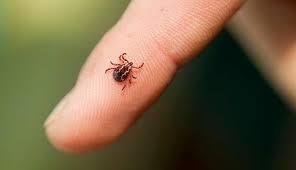
Tick-borne diseases have become a growing concern in the United States, with Babesiosis now following the Wetland virus in raising alarms among health officials. Babesiosis, caused by a parasite that affects red blood cells, is transmitted by black-legged ticks. This disease, which mostly strikes in tick season, is worrying for both doctors and public health experts.
What is Babesiosis?
Babesiosis is a rare disease caused by the bite of a tick infected with Babesia microti, a microscopic parasite that enters the red blood cells. It doesn’t spread directly from person to person but can be contracted in a few specific ways:
1. Tick Bites: The most common way to get infected is through the bite of an infected black-legged tick, scientifically known as Ixodes scapularis.
2. Blood Transfusion: It is possible to get the disease through a blood transfusion if the blood is contaminated with Babesia parasites.
3. Mother-to-Baby: An infected mother may pass the disease to her baby during pregnancy or delivery.
Who is at Risk?
While anyone can be infected by Babesiosis, certain groups are at a higher risk. These include:
– Elderly individuals
– People with weakened immune systems, such as those with cancer or HIV
– Patients who have had an organ transplant
This disease is most common during tick season, which typically includes spring, summer, and fall.
Causes of Babesiosis
Babesiosis is caused by the Babesia parasite, with Babesia microti being the most common type affecting humans in the US. Since ticks are more active during warmer months, from late spring to early autumn, cases of Babesiosis tend to rise during this time.
Symptoms of Babesiosis
The symptoms of Babesiosis vary from person to person, but common signs include:
– Fever
– Chills
– Sweats
– Headache
– Body aches
– Loss of appetite
– Nausea
– Fatigue
In some cases, Babesiosis can lead to hemolytic anemia, a condition where red blood cells are destroyed. This can last anywhere from a few days to several months. In severe cases, patients may suffer from:
– Blood clots
– Organ failure
– Unstable blood pressure
If untreated, Babesiosis can become life-threatening, especially for those with compromised immune systems.
Prevention Tips: How to Protect Yourself from Babesiosis
To avoid Babesiosis, it’s important to prevent tick bites.
1. Avoid Tick-Infested Areas
Try to stay on well-traveled paths when outdoors, especially in areas known for ticks. Avoid walking through tall grass, brush, and piles of leaves. Use insect repellents with at least 20% DEET on your skin to keep ticks away. Additionally, wear long sleeves and long pants, and tuck your pants into your socks to prevent ticks from crawling onto your skin.
2. Perform Tick Checks
After spending time outdoors, always check yourself, children, and pets for ticks. Pay extra attention to areas like your scalp, behind the ears, under the arms, and the groin.
3. Choose the Right Clothing
Wear light-colored clothing, as it makes ticks easier to spot. You can also treat your clothes and camping gear, such as tents, with products containing 0.5% permethrin, which repels and kills ticks.
4. Maintain Your Yard
Ticks love brushy, overgrown areas. To reduce tick habitats near your home, mow your lawn regularly and clear away brush and leaf litter. You can also create a barrier of wood chips or gravel between your yard and any nearby wooded areas, which can prevent ticks from migrating into your outdoor space.
5. Protect Your Pets
Ticks can attach to your pets and bring them inside your home. Use tick prevention products on your pets and regularly check them for ticks after they’ve been outside.
6. Remove Ticks Promptly
If you find a tick on your skin, remove it as soon as possible using fine-tipped tweezers. Grab the tick as close to your skin as you can and pull upward with steady pressure. This reduces the chances of the tick transmitting any diseases.
Stay Informed and Take Precautions
While tick-borne diseases like Babesiosis are on the rise, being informed and taking steps to avoid tick bites can greatly reduce your risk. Whether you’re hiking in the woods or spending time in your backyard, following these prevention tips can help keep you safe during tick season.
















Leave a comment