

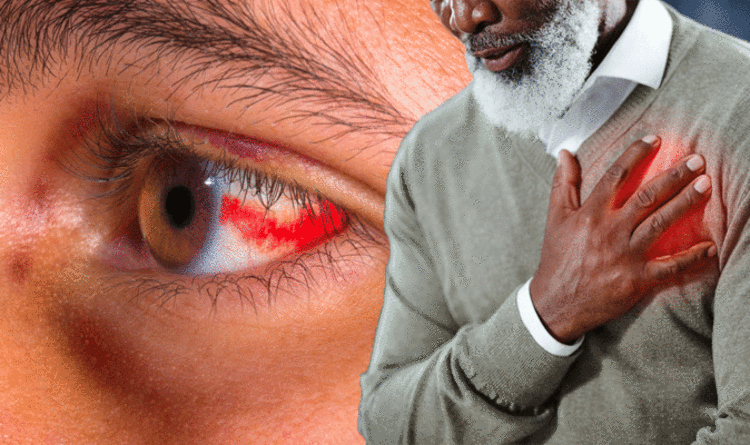
New Delhi, 29 July 2025: When it comes to heart attack warning signs, most people think of chest pain, shortness of breath, or arm discomfort. But what many don’t realise is that your eyes can reveal early signs of cardiovascular trouble, too. In fact, doctors and cardiologists are now urging people to pay close attention to eye-related symptoms — especially those that seem unusual, sudden, or persistent — as they could be silent indicators of poor heart health and even an impending heart attack.
Here’s what you need to know about the connection between your eyes and your heart — and the signs you must never ignore.
How Are the Eyes Connected to Heart Health?
The blood vessels in your eyes are closely related to the blood vessels in your heart. In many ways, the eye offers a direct window into your vascular system. If blood flow is restricted or there’s underlying inflammation or hypertension, the signs can often show up in the eyes much earlier than elsewhere in the body.
That’s why eye symptoms can act as an early warning system for cardiovascular disease, especially when combined with other subtle changes in your health.
Eye Symptoms That Could Signal Heart Trouble
- Blurred Vision or Sudden Vision Loss
A sudden loss of vision in one or both eyes or recurring episodes of blurred vision may be linked to reduced blood supply due to blocked arteries or mini-strokes (transient ischemic attacks). This can be a sign of severe atherosclerosis — a major risk factor for heart attacks. - Retinal Blood Vessel Changes
During an eye exam, an ophthalmologist may spot narrowed or twisted blood vessels, hemorrhages, or leaking — all signs of high blood pressure or damage due to cholesterol build-up. These changes in the retina can mirror damage happening in the heart and brain. - Xanthelasma (Yellow Bumps Around the Eyes)
These yellowish, fatty deposits on or around the eyelids are often a cosmetic concern, but they can be a visible marker of high cholesterol and increased cardiovascular risk — especially if you’re under 45. - Eye Floaters or Flashes of Light
While occasional floaters are normal with aging, a sudden increase in floaters or flashes could indicate a problem with retinal circulation — often linked to poor blood supply or vascular inflammation, which also affects heart health. - Drooping Eyelids (Ptosis)
A gradual drooping of one or both eyelids may be more than a sign of fatigue — it could suggest nerve damage or circulation issues often seen in people with long-term hypertension or diabetes, both of which significantly increase heart attack risk. - Red or Bloodshot Eyes
Persistent redness in the eyes may be more than irritation. It can indicate inflammation in the blood vessels, which may correlate with chronic heart inflammation or high blood pressure — a major heart disease risk factor. - Blue Ring Around the Cornea (Arcus Senilis)
A pale blue, grey, or white ring around the cornea, especially in younger individuals, may be associated with elevated cholesterol levels, increasing the risk of plaque formation and heart attack.
When to See a Doctor
If you experience any of the above symptoms — especially when paired with fatigue, chest discomfort, high blood pressure, or shortness of breath — don’t ignore them. See both a cardiologist and an ophthalmologist. Early detection can be life-saving.
How to Lower Your Heart Risk
- Get regular eye exams — they can reveal hidden cardiovascular conditions
- Monitor and manage your blood pressure and cholesterol levels
- Maintain a heart-healthy diet rich in fibre, fruits, vegetables, and healthy fats
- Exercise regularly and quit smoking
- Manage stress and get enough sleep
Your eyes aren’t just the windows to your soul — they’re also powerful indicators of your cardiovascular health. As heart attack rates rise among people under 50, it’s time to pay close attention to even the subtlest changes. Don’t ignore what your eyes are trying to tell you. If something feels off, take action early — your heart might thank you later.

















Leave a comment