


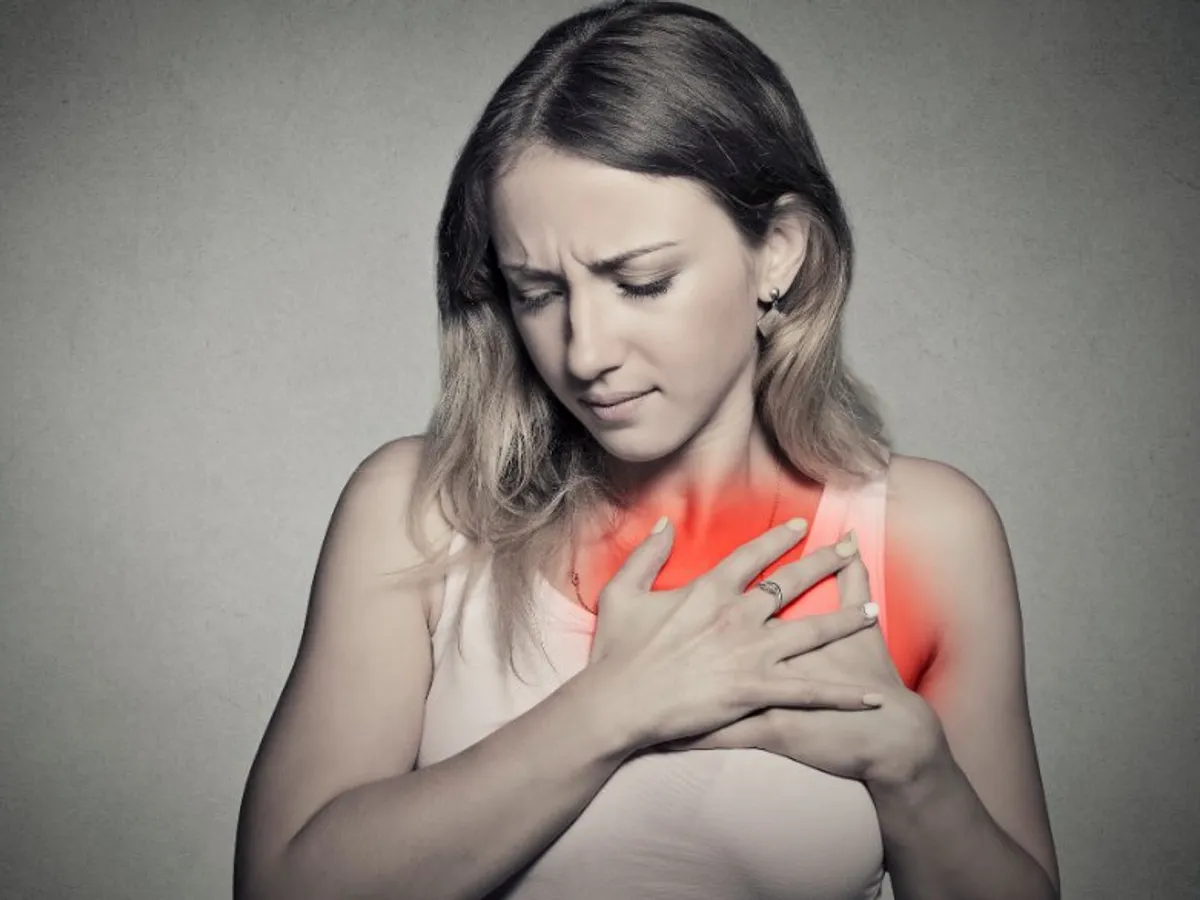
New Delhi, 05 June 2025: As we stand at the threshold of 2025, it is known to everyone how common anxiety has become. From tight deadlines to emotional stress, many people experience symptoms such as chest discomfort, rapid heartbeat, shortness of breath, and dizziness. But what if these aren’t just signs of anxiety? Could it be a heart attack instead? According to health experts, the overlap between anxiety symptoms and heart attack signs can be dangerous—because it may lead to delayed medical attention in life-threatening situations.
Dr. Sameer Mehta, Senior Cardiologist at Fortis Hospital, warns, “It’s incredibly easy to misinterpret early heart attack signs as a panic or anxiety attack, especially among young adults. That’s why it is essential to learn how to differentiate between the two—because acting fast can save lives.”
Let’s explore how anxiety mimics cardiac symptoms, how to tell them apart, and when to seek immediate medical help.
Anxiety vs Heart Attack: Why the Confusion?
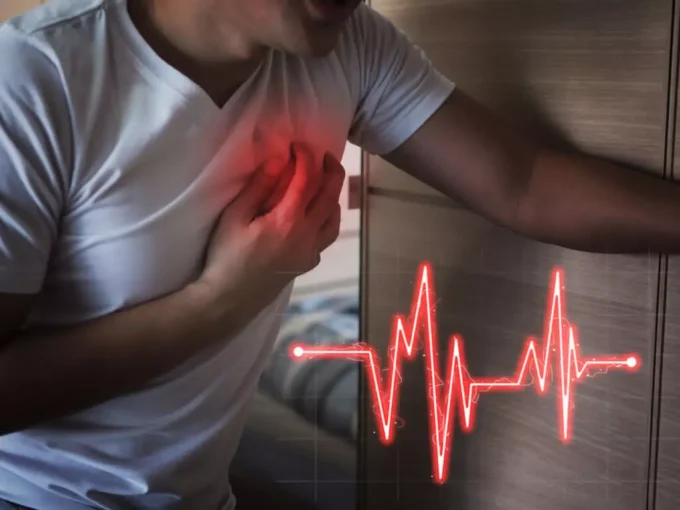
Anxiety and panic attacks can present with symptoms that are alarmingly similar to a It. Both may involve:
- Chest pain or tightness
- Racing or pounding heart
- Shortness of breath
- Sweating
- Dizziness or lightheadedness
- Nausea
However, while anxiety attacks are rarely fatal, a heart attack is a medical emergency that requires urgent treatment. Misdiagnosing a heart attack as anxiety can lead to delayed intervention, increasing the risk of serious complications such as heart failure or death.
Key Differences: How to Tell If It’s a Heart Attack
Here are some critical differences that can help you identify if your symptoms are heart-related or anxiety-induced:
1. Onset of Symptoms
- Anxiety Attack: Often occurs after emotional stress or mental triggers. May build up gradually and lessen over time.
- Heart Attack: May come suddenly and without warning. Often occurs during physical exertion or even at rest.
2. Type of Chest Pain
- Anxiety: Pain is sharp or stabbing and usually localized.
- Heart Attack: Pain is pressure-like, heavy, or squeezing, and may radiate to the left arm, jaw, back, or neck.
3. Duration
- Anxiety: Symptoms usually peak within 10–15 minutes and resolve after some time or with breathing techniques.
- Heart Attack: Discomfort lasts more than 15 minutes, does not subside with rest or deep breathing.
4. Associated Symptoms
- Anxiety: Often accompanied by a sense of doom, shaking, chills, or hyperventilation.
- Heart Attack: May be accompanied by cold sweats, vomiting, extreme fatigue, or loss of consciousness in some cases.
Risk Factors That Increase the Chances of a Heart Attack
If you are experiencing chest pain or discomfort and have one or more of the following risk factors, assume the worst and seek medical help immediately:
- Age over 40 (men) or 50 (women)
- Smoking or alcohol abuse
- High blood pressure or high cholesterol
- Family history of heart disease
- Diabetes or obesity
- Sedentary lifestyle
Even young people are not immune—there is a growing trend of heart attacks among people in their 20s and 30s, especially those with poor lifestyle habits and unmanaged stress.
When to Call the Doctor Immediately
You should not delay medical care if you experience:
- Intense chest pressure that radiates to other parts of the body
- Pain lasting more than 15–20 minutes
- Severe shortness of breath
- Dizziness or blacking out
- Nausea with cold sweats
Call emergency services right away. Time is critical: treatment within the first hour can significantly improve survival rates during a heart attack.
Tests to Diagnose a Heart Attack
If you suspect your symptoms may be heart-related, your doctor will likely perform:
- ECG (Electrocardiogram) to check electrical activity of the heart
- Blood tests for cardiac markers like troponin
- Echocardiogram to examine heart function
- Stress test or Angiography, if necessary
These tests can quickly confirm or rule out a heart attack, allowing for prompt treatment.
Can Anxiety Trigger a Heart Attack?
Yes. Severe anxiety and chronic stress can indirectly lead to heart attacks by:
- Raising blood pressure
- Increasing heart rate
- Promoting inflammation in blood vessels
- Causing arrhythmias or palpitations
Long-term stress also contributes to plaque buildup in arteries, which can trigger a it. That’s why mental health is directly linked to heart health.
Managing Anxiety to Protect Heart Health
To lower your risk of both anxiety and cardiac problems, consider the following:
- Practice deep breathing and mindfulness meditation
- Exercise regularly to release endorphins and keep the heart strong
- Avoid caffeine, alcohol, and smoking
- Get 7–8 hours of quality sleep each night
- Seek therapy if anxiety is interfering with daily life
It’s easy to dismiss symptoms of a heart attack as anxiety—especially in younger adults. But this misjudgment can have fatal consequences. If you ever experience unexplained chest discomfort or breathlessness, err on the side of caution and consult a doctor immediately.
Understanding the subtle differences between anxiety and It can save your life or that of someone you love. When in doubt, get checked—because your heart can’t wait.












Leave a comment