

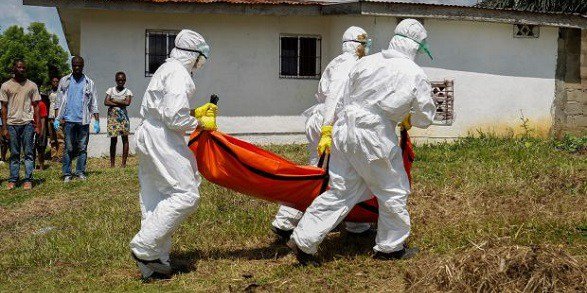
New Delhi, 18 September, 2025: Health authorities have confirmed a new outbreak of the deadly Ebola virus in Africa, raising global concerns about disease surveillance, prevention, and response readiness. Known for its high fatality rate and potential to spread quickly across communities, Ebola is one of the most feared viral diseases in the world.
While health ministries and the World Health Organization (WHO) are working to contain the outbreak, public awareness plays a crucial role in minimizing the spread and preventing panic. In this article, we will explore everything you need to know about the Ebola virus—its origins, symptoms, modes of transmission, treatment options, and how countries are preparing to manage the situation.
What Is Ebola Virus?
Ebola virus disease (EVD), commonly called Ebola, is a severe and often fatal illness in humans and nonhuman primates (such as monkeys, gorillas, and chimpanzees). The virus was first identified in 1976 in two simultaneous outbreaks in Sudan and near the Ebola River in what is now the Democratic Republic of Congo (DRC).
Ebola belongs to the Filoviridae family of viruses and has five known species, four of which can cause disease in humans. The most common and deadly strain is the Zaire ebolavirus, responsible for the largest outbreaks in history.
How Does Ebola Spread?
Ebola is not airborne. It spreads through direct contact with:
- Blood or bodily fluids (saliva, sweat, vomit, feces, breast milk, semen) of an infected person.
- Contaminated surfaces and materials, such as clothing, needles, and medical equipment.
- Infected animals, including fruit bats (believed to be natural hosts), primates, and forest antelope.
Unlike common flu viruses, casual contact like a handshake or being near an infected person does not usually cause infection unless bodily fluids are exchanged.
Early Symptoms of Ebola Virus
The incubation period for Ebola ranges from 2 to 21 days, with most cases showing symptoms around day 8–10 after exposure. Early detection is critical because symptoms in the initial stage can resemble other illnesses such as malaria or typhoid.
Common early signs include:
- Sudden high fever
- Severe headache
- Muscle pain and weakness
- Fatigue
- Sore throat
As the disease progresses, more severe symptoms may appear:
- Vomiting and diarrhea
- Rash
- Impaired liver and kidney function
- Internal and external bleeding (e.g., gums, nose, or blood in stools)
The case fatality rate of Ebola can range between 25% and 90%, depending on the strain and the quality of healthcare available.
Why Is Ebola So Dangerous?
Ebola is considered dangerous for three main reasons:
- High Fatality Rate – In past outbreaks, some communities saw up to nine out of ten patients die.
- Fast Spread in Weak Health Systems – In areas with limited hospitals, protective equipment, or lab capacity, the virus spreads unchecked.
- Long-Term Effects – Survivors may face chronic health issues, including joint pain, vision problems, and psychological trauma.
The History of Ebola Outbreaks
Ebola has resurfaced several times over the past four decades. Some major outbreaks include:
- 1976: First discovery in DRC and Sudan, with hundreds of deaths.
- 1995 (Kikwit, DRC): Over 250 deaths reported.
- 2014–2016 (West Africa): The largest outbreak in history, affecting Guinea, Sierra Leone, and Liberia, with more than 28,000 cases and 11,000 deaths.
- 2018–2020 (DRC): A prolonged outbreak that killed over 2,200 people despite vaccination efforts.
The current outbreak adds to this troubling history, highlighting the need for ongoing vigilance.
Ebola and Global Health Security
Every time Ebola emerges, it serves as a reminder of how vulnerable the world is to viral outbreaks. Air travel and international trade can make local outbreaks global concerns within days.
During the 2014 West African outbreak, cases spread to Europe and the United States, showing how rapidly the virus can cross borders when not contained early.
This is why the WHO, Centers for Disease Control and Prevention (CDC), and local African health ministries have rapid response teams on standby to detect and contain outbreaks as soon as possible.
Is There a Cure or Vaccine for Ebola?
There is no universally available cure for Ebola, but significant progress has been made in treatment and prevention.
Treatments
- Supportive Care: Hydration, electrolyte balance, oxygen therapy, and treating secondary infections improve survival chances.
- Experimental Therapies: Antiviral drugs such as remdesivir and monoclonal antibodies (like Inmazeb and Ebanga) have been used with some success.
Vaccines
- rVSV-ZEBOV (Ervebo): A highly effective vaccine that has been used in outbreak zones since 2019.
- Ring vaccination strategies (vaccinating people who were in contact with confirmed cases) have been shown to curb outbreaks quickly.
How Communities Can Stay Safe
Doctors and health experts stress that prevention is the best protection. Steps to stay safe include:
- Avoiding direct contact with infected people or animals.
- Practicing safe burial methods (since traditional practices often involve touching bodies).
- Using personal protective equipment (PPE) in healthcare settings.
- Washing hands frequently with soap and water or alcohol-based sanitizers.
- Raising awareness through community education campaigns.
Lessons From Past Outbreaks
The world has learned valuable lessons from Ebola outbreaks:
- Community Engagement Is Crucial – Misinformation and fear often prevent people from seeking help.
- Surveillance Saves Lives – Rapid testing and reporting systems help identify cases early.
- Healthcare Worker Safety – Many deaths during past outbreaks were among doctors and nurses due to lack of protective equipment.
- Global Solidarity – International aid and expertise are vital in controlling large outbreaks.
How the Current Outbreak Is Being Handled
Health ministries in Africa, with support from the WHO, are conducting:
- Contact tracing to identify and monitor people exposed to confirmed cases.
- Vaccination campaigns for high-risk groups and frontline workers.
- Emergency treatment centers to isolate patients and provide supportive care.
- Community education drives to combat rumors and encourage early medical attention.
International health authorities are closely monitoring the outbreak to prevent cross-border spread.
Staying Vigilant Against Ebola
The new Ebola outbreak in Africa underscores the constant threat posed by emerging infectious diseases. While progress has been made in vaccines, treatments, and outbreak response, prevention and awareness remain key to stopping the spread.
For individuals, practicing hygiene, avoiding unnecessary travel to outbreak zones, and staying updated with verified information are essential. For governments and health organizations, investing in healthcare systems, training medical staff, and ensuring rapid access to vaccines can save countless lives.
Ebola is not just an African problem—it’s a global health security challenge. The lessons we learn today will shape how we handle not only Ebola but also future pandemics.















Leave a comment