

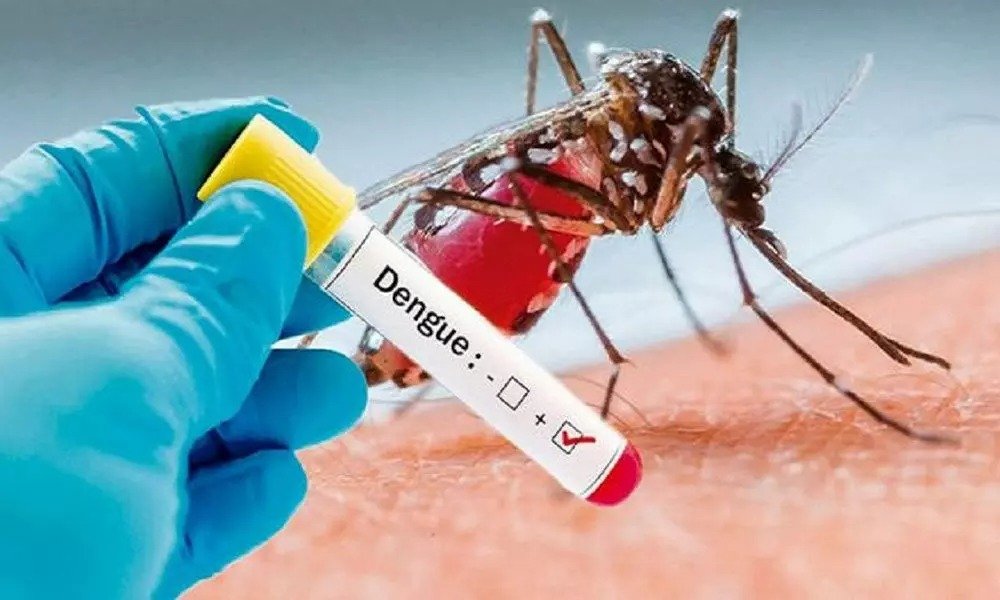
New Delhi, 22 August 2025: While mosquitoes may seem like tiny pests, they are among the deadliest creatures on the planet due to their ability to spread devastating diseases—many of which currently have no cure. Here’s a deep dive into six such illnesses, their symptoms, implications, and how to protect yourself.
1. Dengue
Overview:
Dengue is a viral infection transmitted by Aedes mosquitoes. It’s prevalent across tropical regions and affects millions annually.
Symptoms:
You may experience high fever, severe headache, intense muscle and joint pain (often dubbed “break-bone fever”), nausea, and fatigue. In severe cases, patients develop dengue hemorrhagic fever or dengue shock syndrome, which can be life-threatening.
Treatment:
There is no specific antiviral for dengue. Medical care focuses on managing symptoms—like hydration, fever relief, and monitoring circulation—while hospital intervention may be required for severe cases.
2. Zika Virus
Overview:
Also carried by Aedes mosquitoes, the Zika virus can be particularly dangerous for pregnant women.
Symptoms:
Most infections are mild or even asymptomatic. When symptoms appear, they include fever, rash, joint pain, conjunctivitis, and headache.
Risks:
In pregnancy, Zika can lead to birth defects like microcephaly, making prevention vital.
Treatment:
There is no vaccine or cure. Doctors recommend avoiding mosquito exposure and delaying pregnancy in areas with active outbreaks.
3. Chikungunya
Overview:
Chikungunya, another Aedes-transmitted virus, is known for causing debilitating limb pain.
Symptoms:
Sudden onset of fever, rash, muscle aches, and intense joint pain. While most recover in a few weeks, some individuals experience chronic joint stiffness lasting months—or even years.
Treatment:
No antiviral or vaccine currently exists; management focuses on pain relief and supportive care.
4. Yellow Fever
Overview:
Yellow fever is a serious viral illness spread by Aedes and Haemagogus mosquitoes, primarily affecting tropical regions in Africa and South America.
Symptoms:
Initial symptoms include fever, chills, headache, muscle pain, and nausea. Some cases progress to liver damage and jaundice (hence “yellow” fever), bleeding, and organ failure.
Treatment:
Although there is no cure once infected, there is a highly effective vaccine. Post-infection, medical support is focused on managing symptoms and complications.
5. Japanese Encephalitis
Overview:
This virus is transmitted by Culex mosquitoes and typically affects rural, agricultural communities.
Symptoms:
While most cases are mild or asymptomatic, severe infections can cause encephalitis with symptoms like confusion, seizures, and coma. Approximately one in three cases are fatal, and survivors may suffer long-term neurological damage.
Treatment:
There is no specific cure. Prevention relies on vaccines and mosquito control in endemic areas. Supportive care addresses inflammation and neurological symptoms.
6. West Nile Virus (WNV)
Overview:
Spread by Culex mosquitoes, WNV commonly infects humans without causing symptoms—but a small percentage develop serious illness.
Symptoms:
Mild cases may include fever, headache, and muscle aches. Severe cases can progress to encephalitis or meningitis, with symptoms like confusion, muscle weakness, tremors, and even paralysis.
Treatment:
There is no cure or vaccine for West Nile virus. Treatment is supportive and focused on managing neurological symptoms in hospital settings.
Why No Cure?
All six diseases are viral, and creating effective antivirals is especially challenging due to:
- Rapid mutation of viruses
- Complex infection pathways and immune evasion tactics
- Limited R&D investment compared to more common diseases
- Difficulty testing treatments during sporadic outbreaks
Drug and vaccine development is ongoing, but mosquito control and symptomatic care remain the frontline defense.
Prevention: Your Best Protection
With no cures in sight for many of these illnesses, prevention is everything:
- Eliminate standing water where mosquitoes breed—like in flowerpots, buckets, gutters, and old tires.
- Use insect repellent containing DEET, picaridin, or oil of lemon eucalyptus.
- Wear long sleeves and pants, especially during dawn, dusk, or high mosquito activity times.
- Install window screens or use mosquito nets—particularly around sleeping areas.
- Spray larvicides in water bodies that cannot be drained safely.
- Stay informed about outbreaks, especially when traveling to endemic regions.
Check Out The Table Here:
| Disease | No Cure / Vaccine? | Key Symptoms | Prevention Strategy |
|---|---|---|---|
| Dengue | No cure, no universal vaccine | High fever, severe joint pain | Mosquito control, avoid bites |
| Zika | No cure, no vaccine | Rash, joint pain, birth defects in utero | Avoid exposure, protect pregnancy |
| Chikungunya | No cure, no vaccine | Intense joint pain, rash, fatigue | Mosquito control, symptom management |
| Yellow Fever | No cure (vaccine available) | Fever, jaundice, bleeding | Vaccination pre-travel, avoid bites |
| Japanese Encephalitis | No cure (vaccine available) | Fever, seizures, neurological damage | Vaccination in endemic areas, control mosquitoes |
| West Nile Virus | No cure or vaccine | Fever to encephalitis, neurological symptoms | Avoid bites, protect vulnerable groups |
Mosquito-Triggered Diseases That Have No Cure!
Mosquitoes might seem small—but their impact is monumental. The six diseases outlined here—dengue, Zika, chikungunya, yellow fever, Japanese encephalitis, and West Nile virus—currently have no cure, and managing them hinges on prevention and awareness.
Whether living in or traveling to areas where these diseases are endemic, staying informed and taking preventive measures can make all the difference. Prioritize mosquito protection—not just for yourself, but for the most vulnerable around you.

















Leave a comment