Home Latest News 5 Simple Exercises to Reduce Back Pain from Sitting All Day
Latest News

5 Simple Exercises to Reduce Back Pain from Sitting All Day

Share
xr:d:DAFk1an6N80:1883,j:3787933030249353274,t:23101205
Share

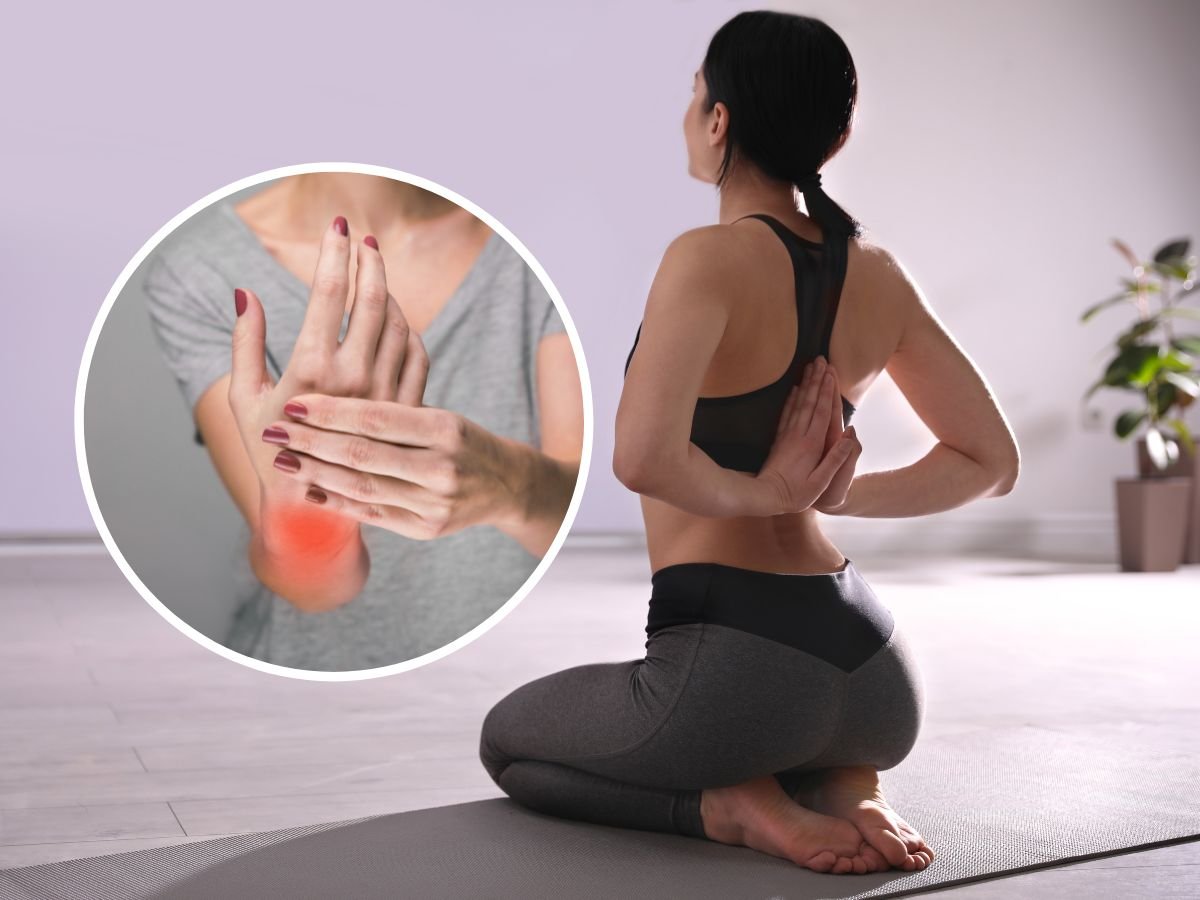
New Delhi, 02 November, 2025: Sitting for long hours, whether at work, studying, or commuting, can take a toll on your back. Prolonged sitting weakens muscles, strains the spine, and can lead to persistent pain or discomfort. Fortunately, incorporating simple exercises into your daily routine can significantly relieve and prevent back pain. Here are five effective exercises you can try, even at home or in the office.

1. Cat-Cow Stretch
This classic yoga move helps loosen up your spine and relieves tension in your back and neck. Begin on all fours, with your hands under your shoulders and knees under your hips. Inhale and arch your back, lifting your head and tailbone (Cow Pose). Exhale and round your back, tucking your chin toward your chest (Cat Pose). Repeat this motion 10–15 times to improve spinal flexibility and release stiffness.

2. Seated Spinal Twist
This exercise is perfect for office workers who spend hours at a desk. Sit upright in your chair, feet flat on the floor. Place your right hand on the back of the chair and gently twist your torso to the right. Hold for 15–20 seconds, then repeat on the left side. Twisting helps stretch the lower back muscles, improves posture, and relieves tension caused by prolonged sitting.

3. Hip Flexor Stretch
Sitting tightens your hip flexors, which can lead to lower back pain. To stretch them, kneel on your right knee with your left foot in front, forming a 90-degree angle. Push your hips slightly forward while keeping your torso upright. Hold for 20–30 seconds, then switch sides. Regularly stretching your hip flexors reduces lower back strain and improves overall mobility.

4. Child’s Pose
Another yoga-inspired move, Child’s Pose gently stretches the lower back and relieves tension. Kneel on the floor, sit back on your heels, and extend your arms forward, resting your forehead on the mat. Breathe deeply and hold for 30 seconds. This pose helps relax tight muscles, reduces stiffness, and promotes better circulation in the back.

5. Standing Back Extension
This simple exercise counteracts the forward hunch caused by sitting. Stand with your feet hip-width apart and hands on your lower back for support. Gently arch your back, lifting your chest upward without straining. Hold for 5–10 seconds and repeat 5–10 times. Standing back extensions strengthen spinal muscles and improve posture, reducing chronic back discomfort.

Tips for Preventing Back Pain While Sitting
In addition to exercises, maintaining good posture is crucial. Keep your feet flat on the floor, avoid slouching, and take short breaks to stand, stretch, or walk every hour. Using an ergonomic chair and adjusting your workstation can also help minimize strain.

By incorporating these five exercises into your daily routine, you can combat the negative effects of prolonged sitting and maintain a healthy, pain-free back. Consistency is key—just a few minutes each day can make a noticeable difference in your comfort and overall spinal health.

Share
Written by
kirti Shah

Kirti is a Senior Health Editor at Healthwire Media, specializing in health journalism and digital health communication. With over four years of experience in the healthcare media landscape, she is dedicated to transforming complex clinical data into accessible, patient-friendly information. Kirti oversees the editorial lifecycle of every article, ensuring they meet rigorous fact-checking standards and align with the latest guidelines from primary sources like the WHO and Ministry of Health. In her role, Kirti works closely with a panel of board-certified physicians and medical reviewers to ensure that every piece of content published is not only easy to understand but also medically accurate and safe for the public. She is passionate about health literacy and helping readers navigate their wellness journeys with confidence.

Leave a comment

Leave a Reply

Your email address will not be published. Required fields are marked *

Don't Miss

Rapid Heart Beat
Cardiology

Tachycardia Explained: Why Your Heart Rate Goes Above 100 BPM Even at Rest

If we talk about the normal heart rate, in healthy adults the resting heart rate usually ranges between 60 and 100 beats per...

How to keep the kidney safe and healthy
Nephrology

World Kidney Day 2026: 5 Lifestyle Modifications That Can Keep Your Renal Health Safe

World Kidney Day is a good reminder of how crucial kidneys are in keeping the body healthy and why preserving them by following...

World Kidney Day 2026: How Heat, Pollution, and Dehydration Are Increasing Kidney Disease Risk
Nephrology

World Kidney Day 2026: How Heat, Pollution, and Dehydration Are Increasing Kidney Disease Risk

Imagine stepping out on a scorching afternoon when the temperature is close to 43°C. You sweat heavily, feel thirsty, and quickly reach for...

Women's Health
Press Release

Women in Medicine: Multispecialty Meet at Sir Ganga Ram

New Delhi : “Women in the Medical Profession – Multispecialty Meet” on Tuesday Sir Ganga Ram Hospital organised to celebrate the contributions of...

Glucoma
Press Release

Highlights Glaucoma Risk at World Glaucoma Week Conclave

New Delhi, 11 March 2026: World Glaucoma Week to spotlight glaucoma- one of the leading causes of irreversible blindness globally. The conclave brought...

Section title

Related Articles
Latest News

Glaucoma: The ‘Silent Thief of Sight’ – Early Warning Signs You Should Never Ignore

Glaucoma is often called the “silent thief of sight” because it can...

Menstruation
Latest NewsLifestyle & Wellness

Menstrual health matters: What science says about period myths

Menstrual health is a topic that is surrounded by silence, stigma and...

Latest News

The Science of Fear: How the Amygdala Controls Your Brain’s Fight-or-Flight Response

Fear is a normal and important human feeling that is capable of...

stress
Latest News

Eustress and Distress Explained: How to Tell the Difference Between Helpful and Harmful Stress

Stress has been viewed as a negative phenomenon, although not all stress...

×