

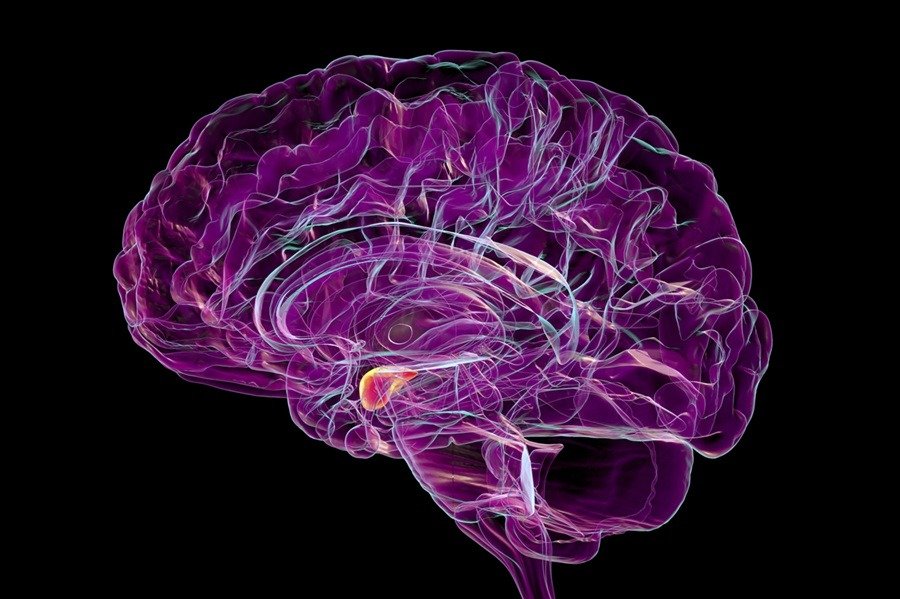
Fear is a normal and important human feeling that is capable of making us perceive danger and react fast to any threat. The fear of heights, spiders, or even speaking in front of an audience are aspects that is deep in the brain. The key and central part of this reaction is a small yet mighty organ, that is the amygdala. The knowledge of amygdala processing of fear may be used to understand why individuals develop phobias and the brain’s response to perceived danger.
What is Amygdala?
Amygdala is a small, almond shaped formation of neurons that is located in the depth of the temporal lobes of the brain. Although it is very small, it is a key part of emotional processing, particularly in fear, anxiety and threat detection. Amygdala is the alarm of the brain because it is always monitoring the surroundings in case they are a threat.
In the event of the brain perceiving any potential danger, the amygdala sends messages out to other brain and body regions in a very rapid manner. This occurs in near real time before we are always aware that we are in danger. The body also starts preparing itself to react to the stimulus by creating the familiar fight or flight reaction.
How does the brain processes fear?
The National Institute of health says,”The CeA regulates many aspects of the fear response, including regulation of the release of cortisol through the paraventricular nucleus of the hypothalamus, increase in startle response via the midbrain, and modulation of the autonomic nervous system through the lateral hypothalamus”
The processing of fear starts when sensory data is received by the brain as a result of a loud sound or a scary picture, via the eyes, ears or some other sense organs. This is transmitted to the thalamus, where it serves as an intermediary. At that point, there are two paths through which the signal can follow.
- The former is the low road which is a fast and automatic process in which the thalamus sends the information straight to the amygdala.
- This is the pathway through which the brain reacts fast to possible danger without necessarily analyzing the situation.
- The second route is the high road in which the signal goes through the thalamus to the cerebral cortex.
- In this case, the brain is attentive to review the circumstances and then relay information to the amygdala. This lesser path will enable us to know whether the danger is actual or not dispellable as when we see that the snake is just a rope.
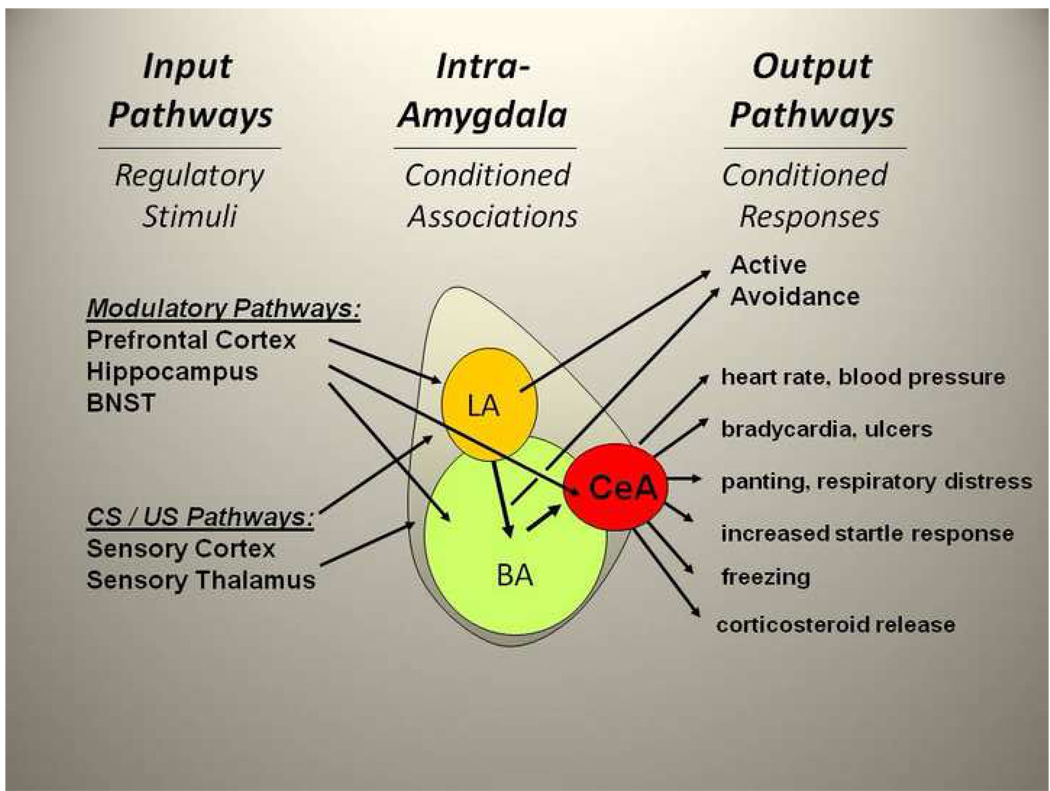
Source: NIH
The role of Amygdala in phobias
Although fear is a normal defense mechanism, phobia arises when the fear mechanism is self exaggerated or irrational. The amygdala can end up being sensitive to certain stimuli in persons with phobias, even in situations where there is no actual threat.
an arachnophobic fear of spiders can be engaged in a state of extreme fear, sweat, rapid pulse or panic at the very sight of a spider or even a photograph of a spider. This response is due to the strong association of the amygdala to the danger posed by the object and where the strong emotional response is obtained.These neural pathways may become stronger with time through repeated fear responses, and thereby the phobia becomes more entrenched in the brain.
Is it possible to control Fear responses?
In spite of the fact that the amygdala is the main part in fear, there are other parts of the brain that help in controlling the emotions. The amygdala can be calmed, and the fear reaction decreased by the prefrontal cortex, the reason behind rational thinking and decision-making. Cognitive behavioural therapy CBT, exposure therapy, and mindfulness therapy are therapies that have been shown to work by retraining the brain to react in response to fear triggers. Such measures have the slow effect of desensitising the fear systems and increasing the capacity of the brain to control the emotional reactions.
Overall, Amygdala is an important aspect in human experience and the processing of fear. Although this system is a necessity to survive, an overstimulated amygdala may also be a cause of phobias and anxiety disorders. This is because scientists and mental health professionals can come up with more effective interventions to assist individuals in overcoming irrational fears and enhance their emotional health through learning of how the brain handles fear.
Disclaimer: Dear readers, this article provides general information and advice only. It is not at all professional medical advice. Therefore, always consult your doctor or a healthcare specialist for more information.

















Leave a comment